Harvest, Mowing, and Picking: Why September and October Are Risky for Allergy Sufferers
The pollen forecast for your area shows moderate values, but after an afternoon spent with a tractor or in the vineyard, you are completely congested, coughing, and your eyes are burning. There is no contradiction. Agricultural work creates a local cloud of particles that no regional forecast can capture, and this cloud contains three things at once: pollen, mold spores, and mineral and organic dust.
What Actually Gets Lifted into the Air
The combination is specific to autumn:
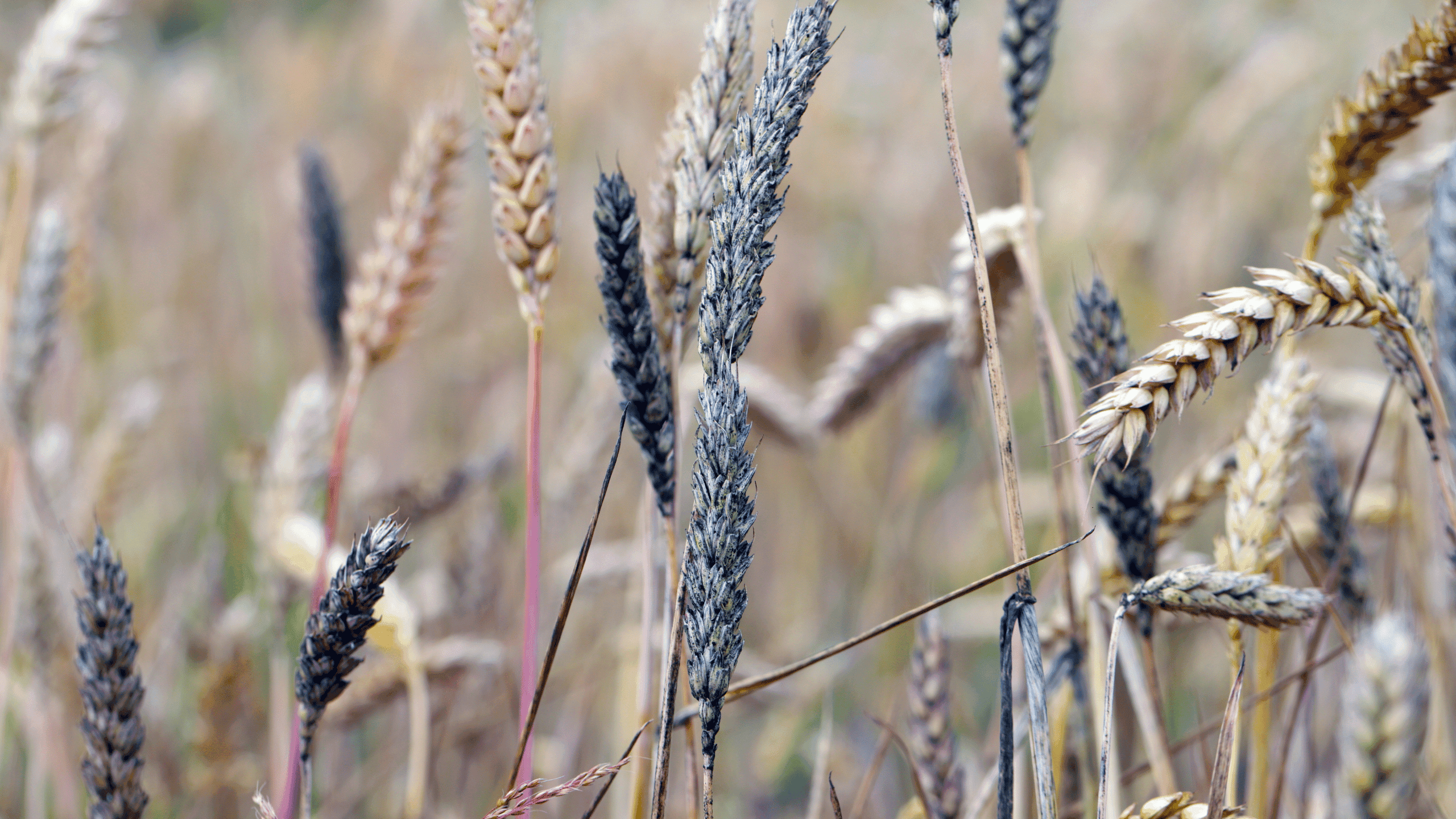
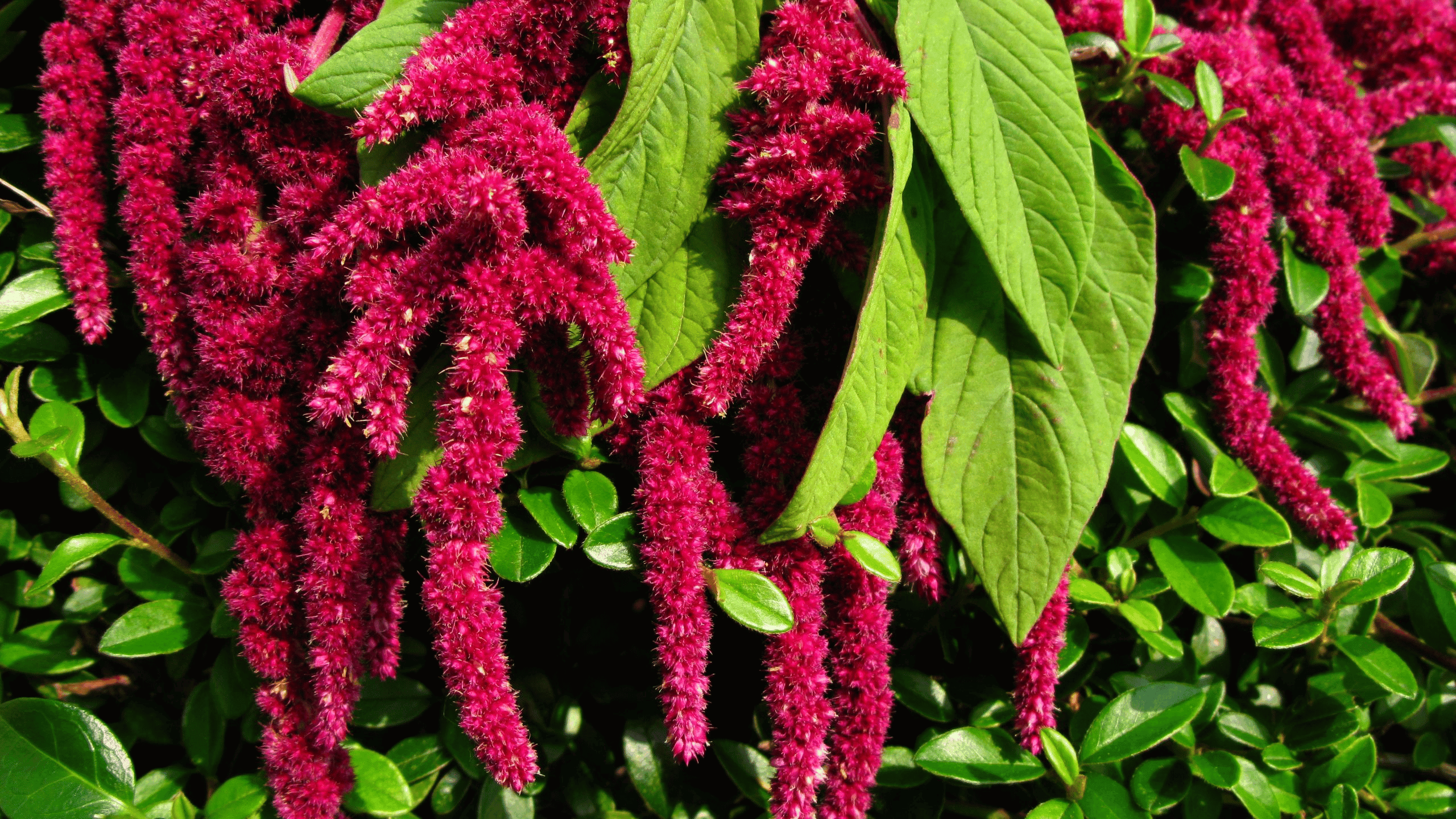
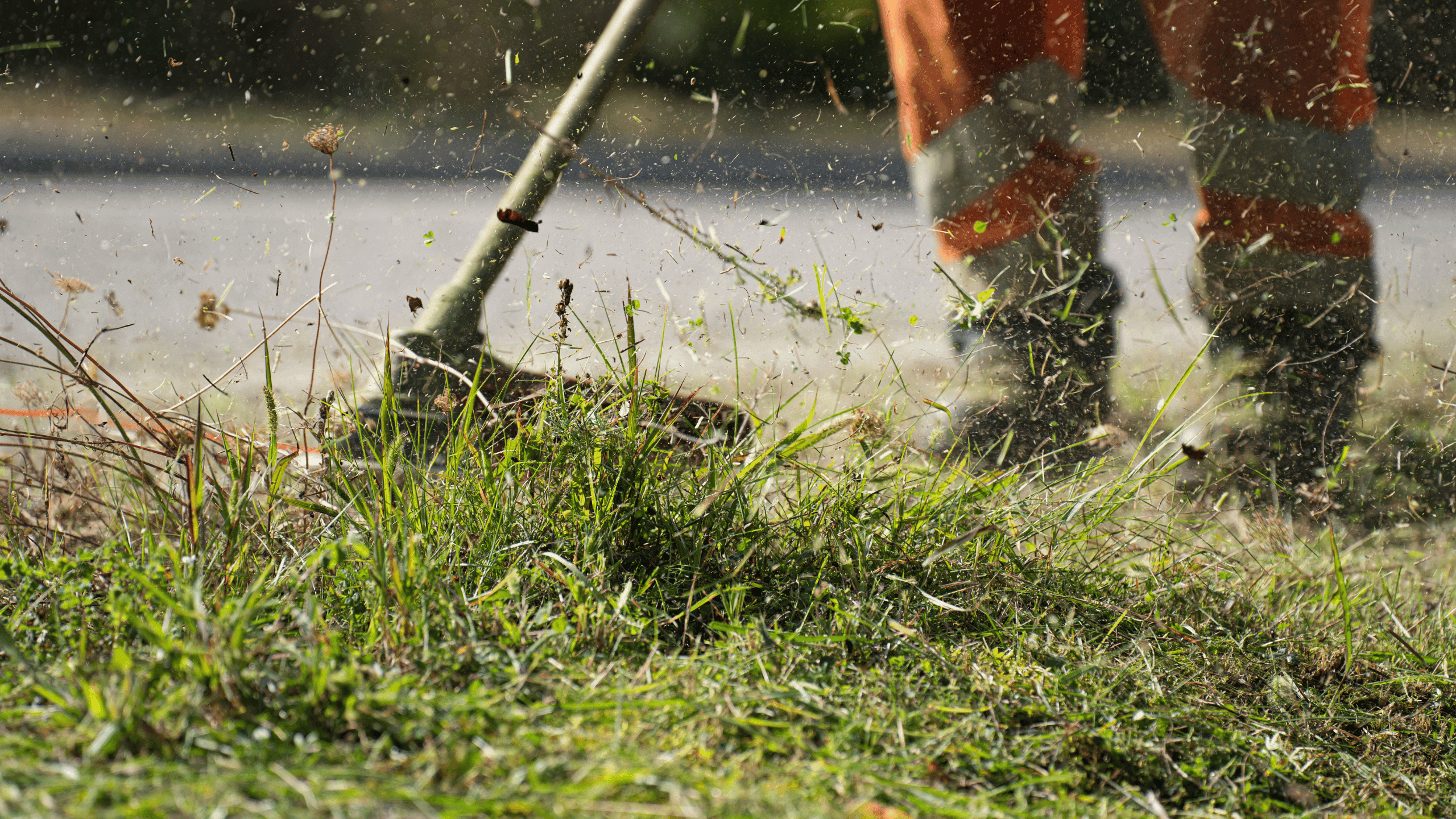
Weed pollen. Ragweed, pigweed, lamb's quarters, and wormwood grow right at the edges of fields, along roads, and in uncultivated areas. Mowing and the passage of machines through them releases pollen in concentrations far above what a measuring station several kilometers away shows. A review of these plants can be found in the guide to weed allergies.
Mold spores. Dry stalks, straw, silage, rotten grapes, and mowed grass are ideal substrates for fungi. During corn harvesting, spore concentrations can greatly exceed any pollen, and why these spores are particularly problematic is explained in the article about mold and perennial rhinitis.
Agricultural dust. Fine particles of soil, plant residues, and pesticide residues fall into the PM10 fraction and act as a direct irritant to the mucous membranes, even in people who are not allergic at all. The significance of this fraction is explained in the guide to PM2.5, PM10, and AQI abbreviations.
Who Is Most Exposed
It is not just farmers. The at-risk group also includes:
everyone participating in grape harvesting, including occasional helpers and guests at harvests;
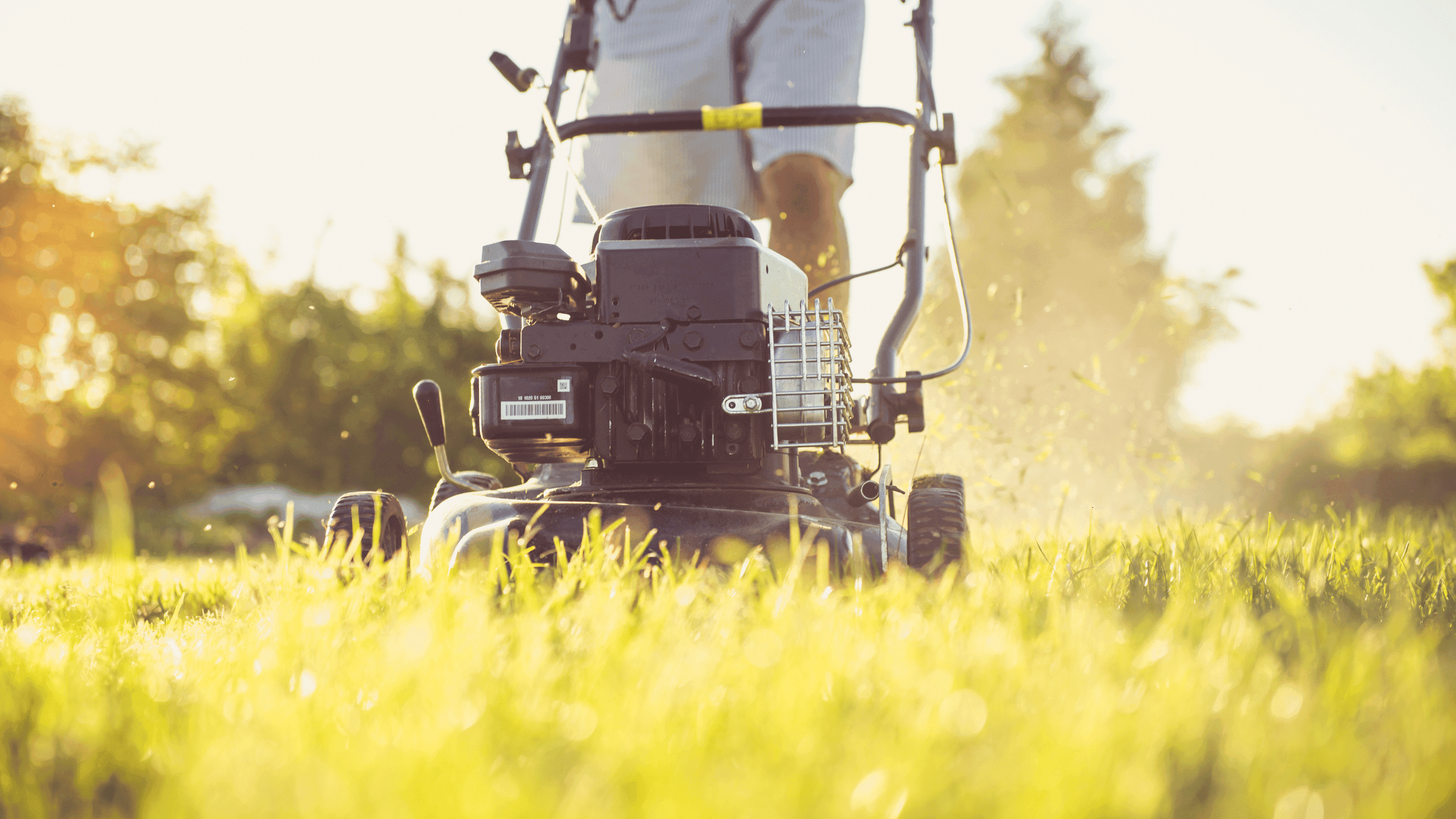
homeowners who mow tall grass accumulated during the summer in September;
people working with compost, hay, or wood stored over the summer;
residents of neighborhoods bordering fields, as the cloud of dust and spores lingers in the air for hours after a machine passes;
children playing outside during local work activities.
Symptoms and Why They Are Often Misinterpreted
Symptoms occur during work or a few hours later, typically in the evening. They include sneezing in bursts, a stuffy nose, dry cough, tightness in the chest, burning and redness of the eyes, and a scratchy throat. In sensitive individuals, asthma may worsen, and in some people, the reaction is delayed until the next morning, leading to it being attributed to a cold or fatigue.
It is important to distinguish between two things. An allergic reaction implies previous hypersensitivity to a specific allergen and typically includes itching. An irritative reaction to dust occurs in anyone who inhales enough particles and more often results in coughing and a feeling of dryness than itching. In practice, these two often intertwine. The basics of differentiation are explained in the text Alphabet of Allergens.
How to Protect Yourself During Work
Wear the right mask. A regular surgical mask does not retain spores and fine dust. For work in dust, use an FFP2 or FFP3 respirator, which must fit snugly against the face.
Protect your eyes. Closed glasses significantly reduce symptoms of conjunctivitis, which is often most pronounced with this type of exposure.
Keep the cabin closed. In tractors and combines, use recirculation and regularly change the cabin filter. A neglected filter means no protection in practice.
Work when it is more humid. Early morning with dew or a period after rain significantly reduces the amount of dust lifted, but keep in mind that morning hours are also peak pollen release times.
Change before entering the house. Work clothes bring allergens straight into the living room. Shower and wash your hair.
Take therapy preventively. If you know that harvesting knocks you down every year, therapy should be arranged with your doctor in advance, not after the first bad day.
Monitor conditions. Before working, check levels on the pollen forecast and the status on the air quality map, as a dry and windy day with a poor index is not a day for all-day outdoor work.
Burning Plant Waste: The Worst Possible Outcome
After work, the usual practice is to burn weeds, branches, and plant residues. For allergy sufferers and asthmatics, this is the worst-case scenario, as smoke from burning plant matter contains large amounts of the smallest particles that penetrate deep into the lungs. Their impact on health is detailed in the article about PM2.5 particles. Composting or taking it to a green waste site is a better solution, both for the air and for neighbors. If burning is not common in your area only in autumn but all the time, you can check local values on the websites of cities like Slavonski Brod or Osijek.
When to See a Doctor
If the same pattern repeats every autumn, it is worth undergoing an allergy evaluation because the difference between an allergy to mold spores, weed pollen, and professional exposure to dust is important for choosing therapy. Difficulty breathing, wheezing, and a feeling of shortness of breath are not symptoms to wait on.
When Exposure Becomes Professional
For people who have been working with hay, straw, grains, and animal feed for years, exposure exceeds the level of occasional irritation. Long-term inhalation of organic dust with a large number of spores is associated with chronic respiratory problems, and in more severe cases, with inflammatory reactions in lung tissue. Signs to watch for include a cough that does not go away outside of the work season, shortness of breath during exertion that worsens year by year, and a recurring flu-like condition a few hours after working in a dusty environment, with fever, chills, and muscle aches.
Such symptoms deserve evaluation by a pulmonologist, not just an antihistamine. Prevention is the same as with occasional exposure, just more consistent: quality respirator, well-ventilated storage spaces, and avoiding work with wet or moldy materials without protection.
Protecting Household Members After Work
What accumulates on clothing during the day does not stay outside. Work clothes, hats, and footwear bring pollen, spores, and dust into the space where both children and other household members sleep. Therefore, it is worth introducing a few simple habits: leave clothes in the hallway or utility room, not in the bedroom, wash them separately from other laundry, and do not dry them outside during the season. If there is someone with asthma in the household, this difference is felt after just a few days.
Frequently Asked Questions
Does a cloth over the face help?
Very little. Fabric does not retain fine spores and dust, and the false sense of security leads people to stay longer in dusty environments.
Why do I feel worse after rain, not in dry weather?
With pollen, rain brings relief, but with mold spores, moisture promotes growth, so after a rainy period, there is a spike in concentrations as soon as it dries. If you react in this pattern, the more likely cause is spores rather than pollen.
Can antihistamines help me before work?
With a proven allergy, often yes, but the choice and timing of taking them should be discussed with your doctor, especially if you are operating machinery, as some medications cause drowsiness.
Before your next outdoor workday: check the current allergen levels for your location and look at the pollination calendar to know which allergens are still active.
Track pollen levels in your city in real time
Check pollen map