Removing Ambrosia is not a recommendation, but a legal obligation: who is responsible, what are the fines, and where to report it - A practical guide for allergy sufferers and landowners.
Every August, the same scene repeats itself. Allergy sufferers complain about an abandoned plot in the neighborhood, the owner of the plot shrugs, and everyone assumes that nothing can be done. This assumption is incorrect. Removing Ambrosia in Croatia is a prescribed obligation, not a matter of goodwill. This text explains who is obliged to do what, within what timeframe, who supervises it, and how to actually file a report.
Why Ambrosia has a special regulation
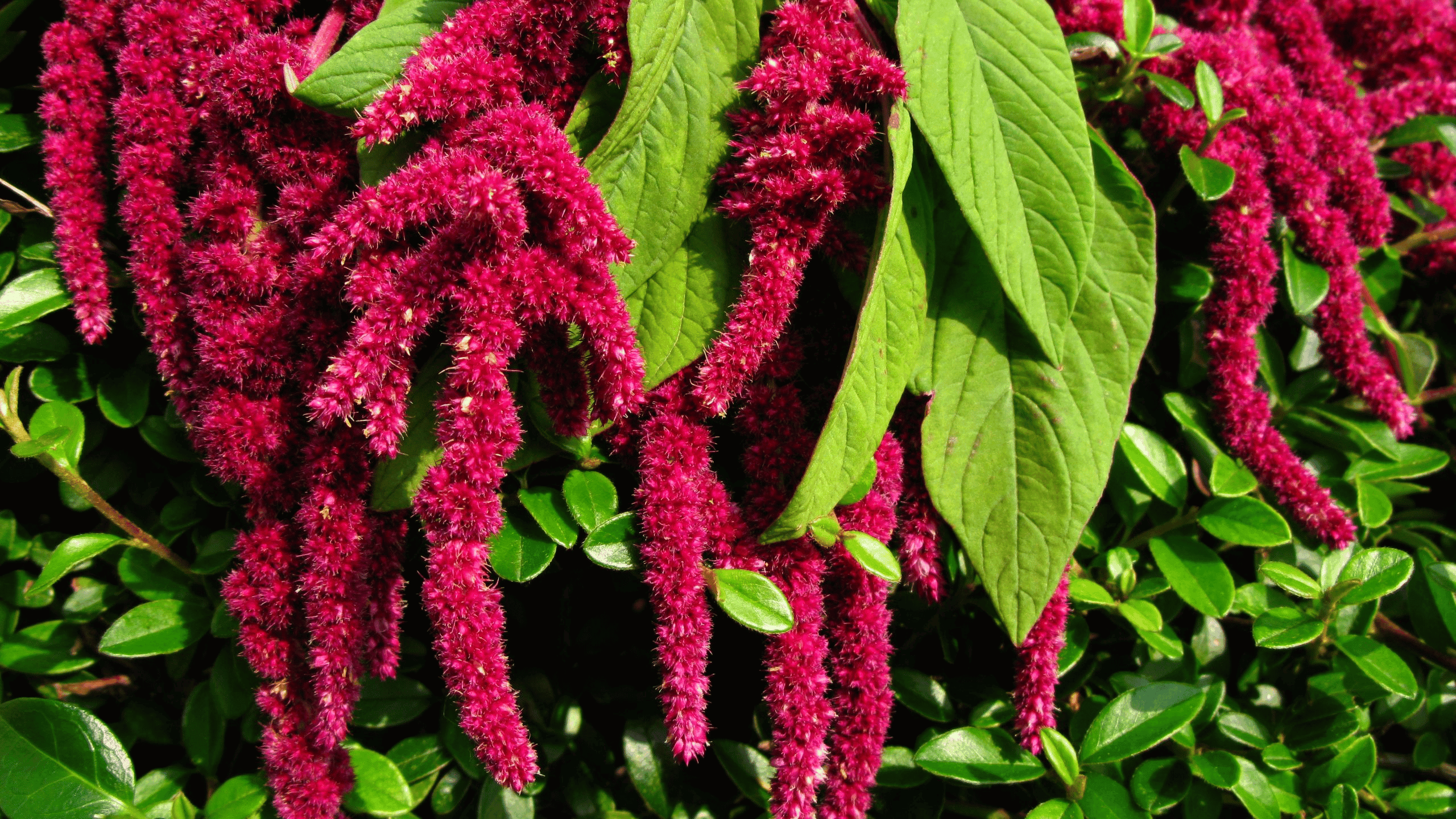
Few plants have such a direct impact on public health. It is estimated that a significant portion of the adult population in continental Croatia is hypersensitive to Ambrosia pollen, and the season lasts from August until the first frost. Along with health costs, there is also agricultural damage, as Ambrosia aggressively displaces crops. Due to this combination, the Republic of Croatia treats Ambrosia as an invasive weed species whose suppression is mandatory, not voluntary. Read more about the plant itself and its symptoms in the article Allergy to Ambrosia.
Who is obligated
The obligation to remove applies not only to farmers. Regulations obligate all owners, possessors, and users of land, which in practice means:
owners and tenants of agricultural land, including the edges of plots, boundaries, and uncultivated parts;
owners of building land, including undeveloped plots in settlements;
building managers and co-owners for common yards;
units of local self-government for public areas, sidewalks, parks, and green belts;
managers of public roads, railways, and waterways for strips along the infrastructure, which are classic hotspots for infestation as Ambrosia spreads precisely along the edges of traffic routes.
In other words, if you own land, you also have an obligation. There is no category of land that is exempt simply because it is abandoned.
By when and how to remove it
The key rule is simple: Ambrosia must be removed before flowering. As soon as the plant flowers, pollen goes into the air, and the measure loses its meaning for the current season. In Croatian conditions, this means that the first deadline is at the end of June and during July, and since Ambrosia regenerates quickly, a second pass is almost always needed during August.
The methods applied in practice are:
Pulling out with roots for smaller areas, the most effective method as it prevents regrowth.
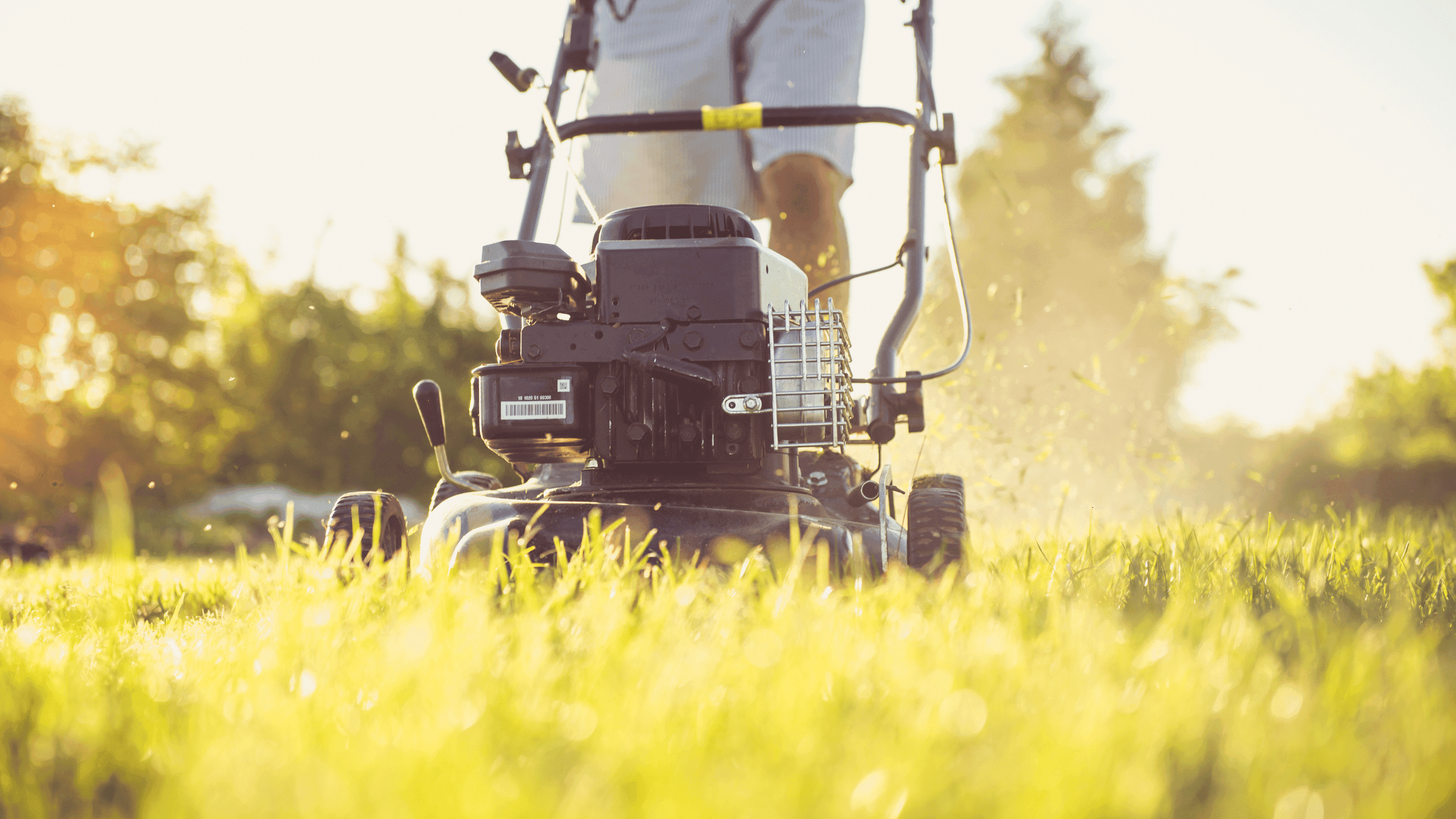
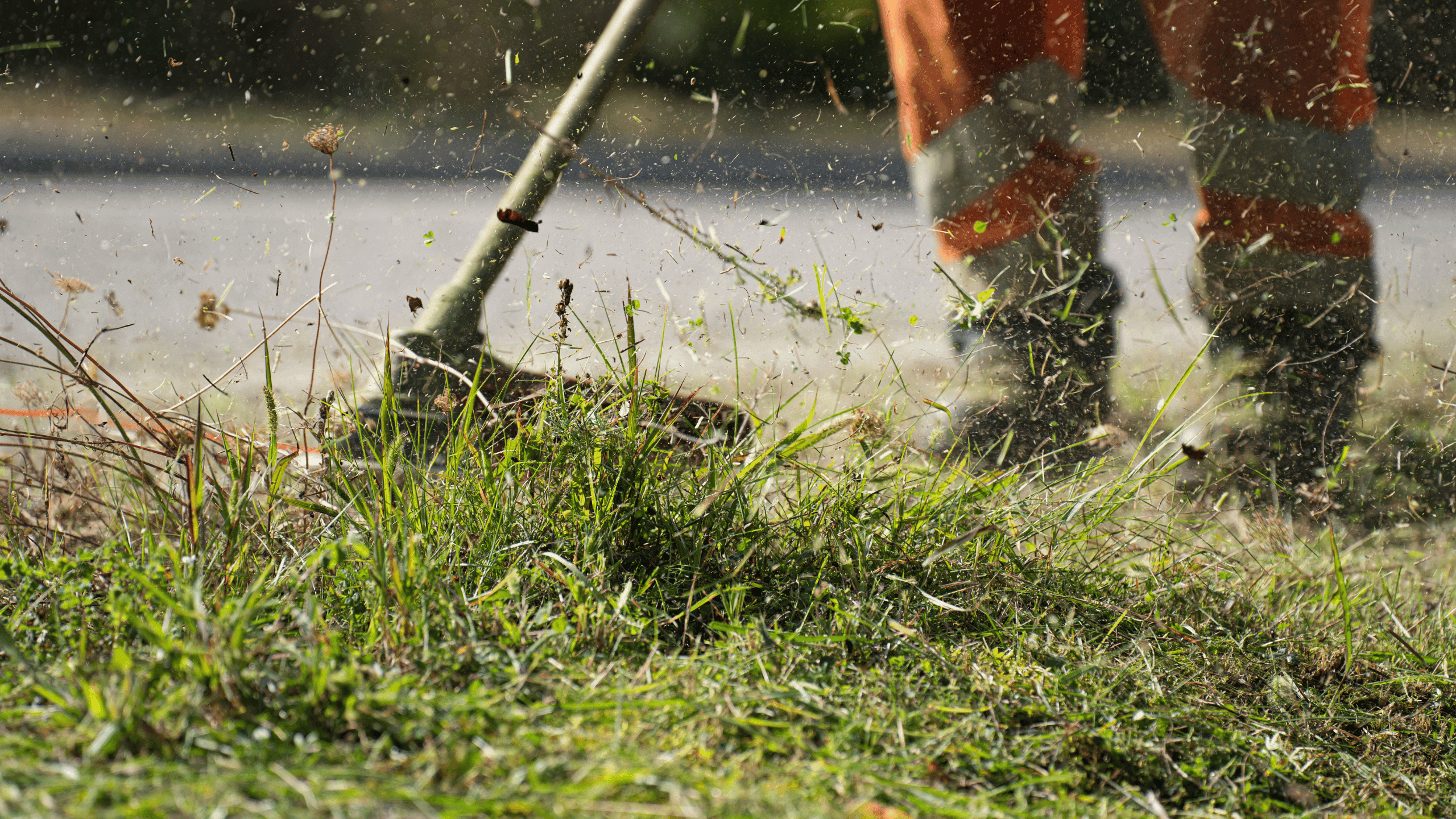
Low mowing, with mandatory repetition, as mowed Ambrosia forces new shoots from the base.
Agricultural measures on agricultural land, crop rotation, and timely processing.
Herbicides on large infested areas, while adhering to regulations on the use of plant protection products.
If you are removing Ambrosia yourself and are allergic, do it before flowering, wearing gloves, a mask, and protective glasses, and definitely not in the morning when pollen concentration is highest. After work, take a shower and change clothes. If you experience difficulty breathing or swelling, it is an emergency situation, and what to do then is described in the text about anaphylactic shock.
Who conducts supervision and what follows
Supervision is divided. For agricultural land, the competent agricultural inspection under the relevant ministry is responsible, while for public and building areas in settlements, municipal inspection of the local self-government unit is typically engaged, acting according to the decision on municipal order. The procedure is usually two-tiered: first, an order for removal is issued with a deadline, and only if the order is not executed, a financial sanction follows along with the possibility of removal at the expense of the obligor.
Financial penalties are prescribed for both individuals and legal entities, with the amounts being significantly higher for legal entities. Since the amounts and deadlines change with amendments to regulations, check the current values in the valid text of the Order on the implementation of mandatory Ambrosia removal measures published in the Official Gazette and in the decision on municipal order of your municipality or city.
How to file a report, step by step
Determine what type of land it is. If it is a public area or an undeveloped plot within a settlement, the report goes to the municipal inspection of the city or municipality. If it is agricultural land, the report goes to the agricultural inspection.
Gather evidence. A photograph with a visible location and date significantly speeds up the process.
Specify the exact location. Address, cadastral parcel if known, or at least a clear description and landmark.
Submit the report in writing. Most cities have a form or an email address for the municipal inspection. Oral reports by phone rarely leave a trace in the file.
Request notification of action taken. As a reporter, you have the right to know whether the procedure has been initiated.
This text is informative and does not constitute legal advice. For binding interpretation, contact the competent administrative body.
What if the report does not resolve the problem this season
It is realistic to expect that the process will take time, and pollen does not wait in the meantime. Therefore, work on protecting your household in parallel. Monitor daily levels on the pollen map and pollen forecast, adjust ventilation, and consider air filtration in the bedroom. How to choose a device appropriate for the size of the room is explained in the guide on CADR values of air purifiers. If you live near a traffic route, it is also useful to monitor the air quality status, as the effects of pollen and pollution accumulate.
Why it is worth reporting, even when it seems futile
One neglected plot of a few hundred square meters can release a quantity of pollen that affects the entire neighborhood. Ambrosia spreads through seeds that remain viable in the soil for years, so every season in which the plant does not reach flowering measurably reduces the problem in subsequent years. Additionally, recorded reports are the only way for local self-government to get a real picture of infestation and to plan systematic suppression instead of reacting to individual complaints.
Common misconceptions
Misconception: the obligation applies only to farmers. It does not. The obligation is tied to the land, not the activity of the owner.
Misconception: it is enough to mow once in the summer. Ambrosia regenerates and flowers lower to the ground after mowing, often within a few weeks. Without repeated passes, the measure is almost meaningless.
Misconception: the report must be anonymous to be accepted. A signed report is processed faster in practice, and the reporter's details are not provided to the landowner.
Misconception: if the plot is owned by an unknown or inaccessible person, nothing can be done. Even in such cases, the competent authority can carry out removal at the owner's expense, and the cost is subsequently charged.
Frequently asked questions
Who to report Ambrosia along the road to?
The strip along public roads is managed by the road manager, i.e., the competent road company or the local self-government unit for unclassified roads. The easiest way to report is to send it to the municipal inspection, which forwards it to the competent authority.
Can I remove Ambrosia myself on someone else's land?
No, without the owner's permission, as it is someone else's property. The correct path is to report to the competent authority.
Is it enough to report once?
If the situation does not change within the deadline from the order, it is worth renewing the report and referring to the previous case. Repeated reports from the same area in practice speed up the process.
Useful before reporting: check the current levels of Ambrosia for your county on the regions page and enable notifications through Allergy now.
Track pollen levels in your city in real time
Check pollen map