Alternaria and Cladosporium: Mold from the Air You Breathe at the End of Summer
There is a group of allergy sufferers who go through the same confusion every September. The pollen forecast shows moderate values, all known plants are avoided, therapy is taken regularly, yet symptoms remain severe. For some of these individuals, the culprit is not pollen but something that is rarely mentioned in forecasts: mold spores in the outdoor air. Two types, Alternaria and Cladosporium, tend to dominate the air in late summer and early autumn in concentrations that far exceed any pollen.
Mold Outside, Not Just in the Bathroom
When mold is mentioned, most people think of black spots in the corner of their apartment. This is a real and important topic, addressed in the article about mold in the apartment. But mold is primarily an outdoor organism. Fungi decompose dead organic matter, such as fallen leaves, mowed grass, crop residues, compost, rotten fruit, and damp soil. When this mass dries in the sun and the wind blows, a huge number of microscopic spores are lifted into the air.
Cladosporium is the most prevalent fungus in outdoor air for almost the entire year, peaking during warm and dry weather. Alternaria is less common but clinically more significant, as it is most strongly associated with allergic asthma and more severe reactions in children. Both types peak from August to October, precisely during the time of mowing, harvesting, and gathering.
Why Spores Are a Different Opponent Than Pollen
They are smaller. Some spores penetrate deeper into the airways than pollen grains, so the proportion of symptoms in the lower respiratory tract is higher. In mold allergies, cough and chest tightness are often more pronounced than sneezing.
They are not tied to flowering. A plant stops flowering, and pollen disappears. Fungi grow as long as there is moisture and organic matter, so the season extends deep into autumn.
They react differently to the weather. Rain usually washes pollen out of the air, but humidity promotes fungal growth, so after a rainy period, there is a spike in concentrations as soon as the weather dries up.
They are found both indoors and outdoors. Unlike pollen, the source can be in your basement, on the carpet, or behind furniture against an exterior wall.
Days When It's the Worst
If you are sensitive to mold spores, here are typical situations that worsen symptoms:
warm, dry, and windy afternoons at the end of August and in September, especially after several rainy days;
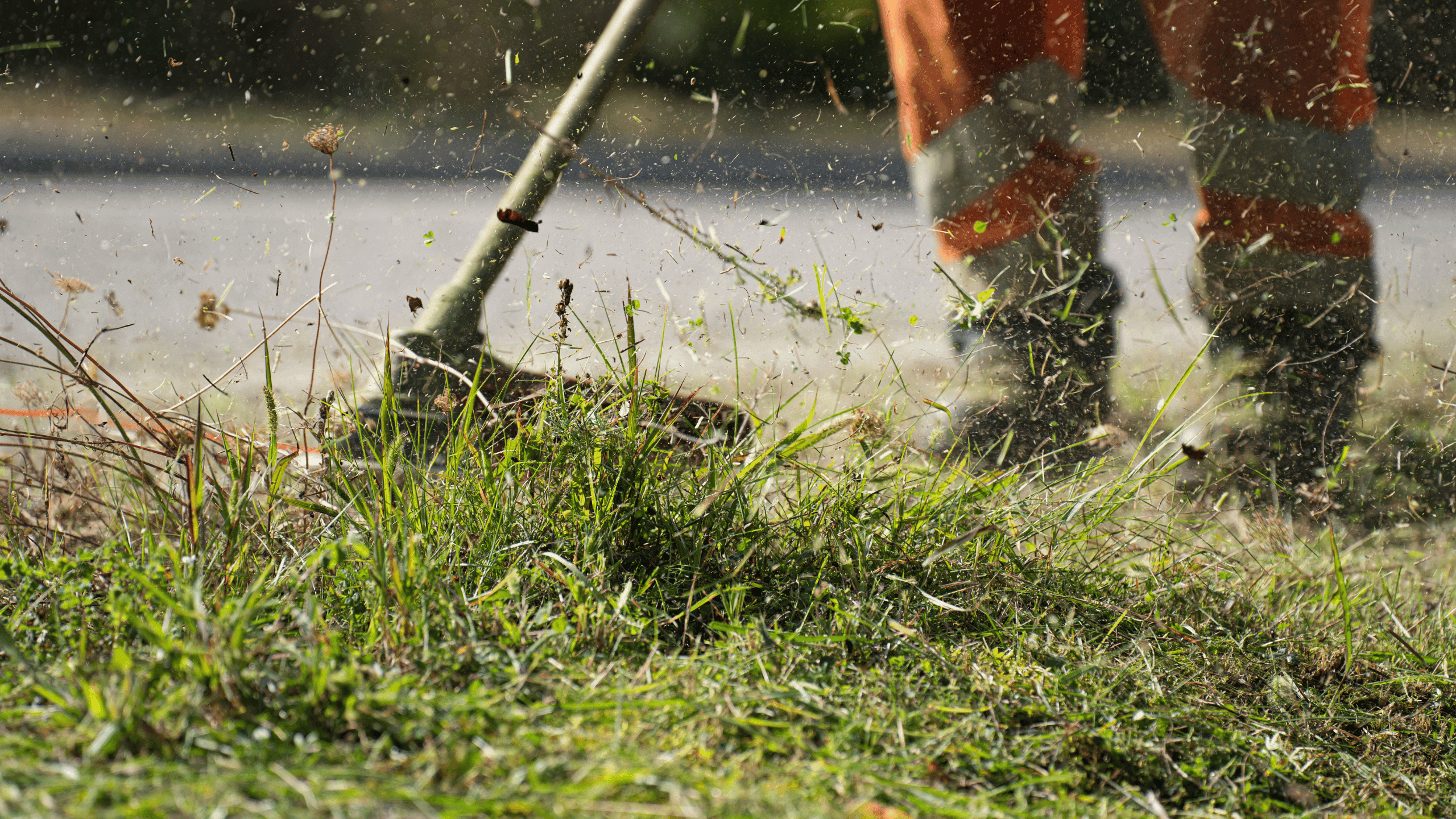
the time of mowing lawns and working with mowed grass, when spores are literally lifted in a cloud;
cleaning leaves, working with compost, and transferring must during harvest;
staying in a basement, garage, shed, or cottage that has been closed during the summer;
the period just before and during severe thunderstorms, when strong currents lift spores and break them into even smaller fragments.
The last item deserves special attention. The phenomenon known as storm-induced asthma has been described for both pollen and mold spores, manifesting as a sudden worsening of breathing in a large number of people in a short time. If you have asthma and are sensitive to mold, a day with forecasted severe weather is not a day for outdoor training.
Symptoms to Watch For
The clinical picture overlaps with pollen allergy but with a few emphases:
persistent dry cough lasting for weeks and worsening at night;
wheezing, chest tightness, and a feeling of shortness of breath during exertion;
nasal congestion and secretion without fever;
recurrent sinus infections in autumn;
in children, worsening asthma coinciding with the return to school.
If you have asthma, mold spores are one of the most important triggers for severe attacks, so it is worth checking if you react to them during your next allergy assessment. The reasons for increasing hypersensitivity are explained in the article Genetics and the Environment.
Practical Measures
Let someone else do the mowing and leaf cleanup. If that is not an option, wear a mask, work in gloves, and shower immediately afterward.
Do not keep bags of leaves and compost near the house. A distance of a few meters changes the concentration of spores near open windows.
Control humidity in your apartment. Aim to keep relative humidity below sixty percent, as fungi thrive above that threshold.
Ventilate briefly and intensely. A window left ajar for a long time on a damp September morning works against you.
Filter the air where you sleep. Spores are effectively captured by HEPA filters, and choosing a device based on room size is explained in the guide through CADR values.
Inspect the basement and cottage before autumn. Spaces closed during the summer are often the main source.
Connection to Air Quality
Mold spores, like pollen, are part of the airborne particles measured within the PM10 fraction, so days with poor air quality often mean worse days for allergy sufferers. If your symptoms worsen without an obvious reason, it makes sense to compare pollen forecasts with the air quality map for the same location. The meaning of individual indicators is explained in the glossary, and the impact of the smallest particles on the respiratory system is discussed in the article about PM2.5 particles.
How Mold Allergy Is Diagnosed
Unlike pollen, where suspicion can easily be raised according to the season, mold spore allergy often goes unnoticed for years. Diagnosis relies on skin testing or determining specific antibodies in the blood for the most common types, primarily for Alternaria and Cladosporium. It is worth requesting that these types be included in the panel, as they are sometimes omitted from standard sets. Along with the findings, the medical history is important, particularly the connection of symptoms with damp spaces, gardening, autumn, and staying in rural areas.
If the result is positive, this changes the approach. Avoiding sources is more effective than with pollen, as part of the sources is located in your home and under your control, unlike the air over the entire county.
Frequently Asked Questions
Does visible mold on the wall mean I am allergic?
No. Visible mold is a problem for all residents due to respiratory irritation, but allergic hypersensitivity is a separate finding that is determined through testing.
Does ozone or so-called ozone treatment help?
Devices that intentionally produce ozone are not recommended in spaces where people reside, as ozone itself is an irritating gas for the respiratory system. The solution to the mold problem is to eliminate the sources of moisture and mechanically clean, along with air filtration.
Why do I feel worse when I return to the cottage?
A space that has been closed and damp typically has high concentrations of spores in the air. Before staying, ventilate thoroughly, check for sources of moisture, and use an air purifier if necessary.
Do spores disappear in winter?
Outdoor concentrations decrease with frost, but indoor sources remain active year-round, especially during the heating season when condensation increases on cold surfaces.
Check today: allergen levels for your location at Allergy Now, and the condition in your home according to the guidelines from the article about mold in the apartment.
This text is for informational purposes. If you experience difficulty breathing, consult a doctor.
Track pollen levels in your city in real time
Check pollen map