Allergy to Pigweed: A Weed That Blooms Alongside Ragweed, Yet No One Mentions It
When talking about allergies in August, all attention goes to ragweed. In the shadow of that story grows a plant you’ve seen a thousand times, yet you probably never named: pigweed. It grows along fences, on piles of soil, in gardens between rows of vegetables, and on every piece of ground that someone has dug up and then forgotten. Its pollen is a real allergen, and its season almost perfectly overlaps with ragweed, making it difficult to identify the true culprit.
What is Pigweed and Where Do We Find It
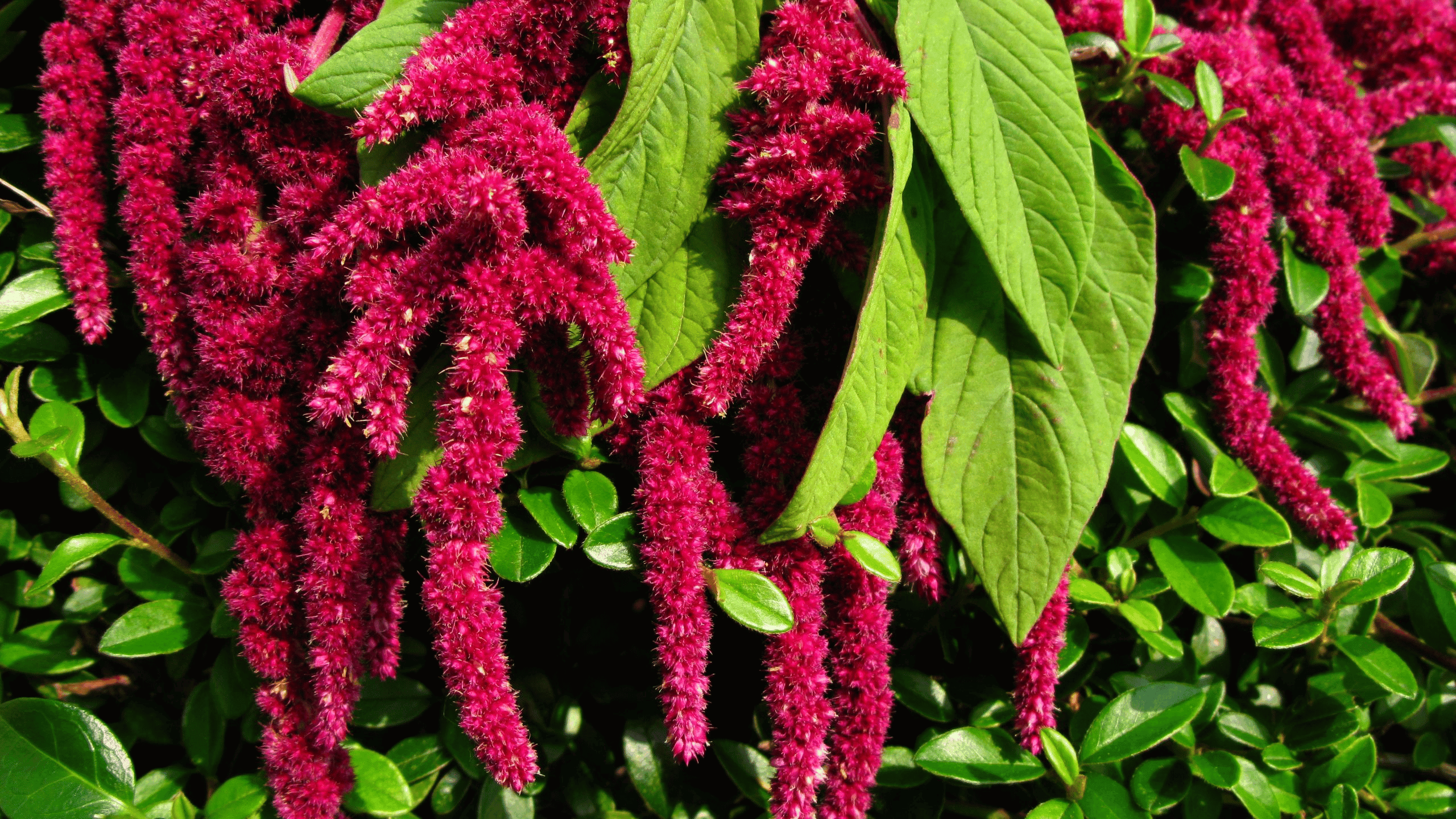
Pigweed is the common name for several species of the genus Amaranthus, with the most widespread in Croatia being the hairy pigweed. It is an annual plant that grows from half a meter to over one and a half meters, with an upright stem and dense, greenish flower clusters at the top that look like spikes without distinct color. This inconspicuousness is why people do not associate it with allergies. A flower that has no petals and no scent is almost always a plant that is wind-pollinated, which means it produces large amounts of light pollen.
Pigweed thrives in nitrogen-rich, disturbed soils, so it is most commonly found at the edges of fields, in vegetable gardens, near agricultural buildings, on construction sites, and along sidewalks. In other words, where there are people.
Blooming Season in Croatia
Pigweed blooms from July to September, peaking most often in August. This places it in the same window as ragweed and wormwood, and it partially overlaps with late grasses. The practical consequence: if your symptoms start in mid-July, that is, before ragweed even appears, pigweed and lamb's quarters are the most likely culprits. A review of the entire period is available in the pollen calendar.
Symptoms
The symptoms do not significantly differ from other pollen allergies, which is part of the problem:
watery nasal discharge and sneezing attacks, typically in bursts;
nasal congestion that worsens in the evening and at night;
itching of the palate, throat, and ear canals;
redness, itching, and tearing of the eyes, often more pronounced than nasal symptoms;
dry, irritating cough and tightness in the chest for individuals with allergic asthma;
fatigue and poor sleep as a result of weeks-long inflammation of the mucous membranes.
If you are unsure whether it is an allergy or an infection, the guideline is simple: allergies itch, last for weeks, and do not cause fever. The basics of the immune response are explained in the article Alphabet of Allergens.
Cross-Reactions: Pigweed, Lamb's Quarters, and Ragweed
Pigweed and lamb's quarters belong to the same broader botanical group, so hypersensitivity to one is often accompanied by a reaction to the other. In some individuals, there is also overlap with ragweed pollen and certain foods, most commonly with beets, spinach, and quinoa, as they are related to pigweed and lamb's quarters. The reaction is usually mild and limited to the mouth and throat, and the mechanism is the same as in the more well-known syndrome described in the article on cross allergies.
What You Can Do
Remove it from your garden before it blooms. Pigweed is easy to pull out while it is young, and one plant produces a huge number of seeds that remain in the soil for years.
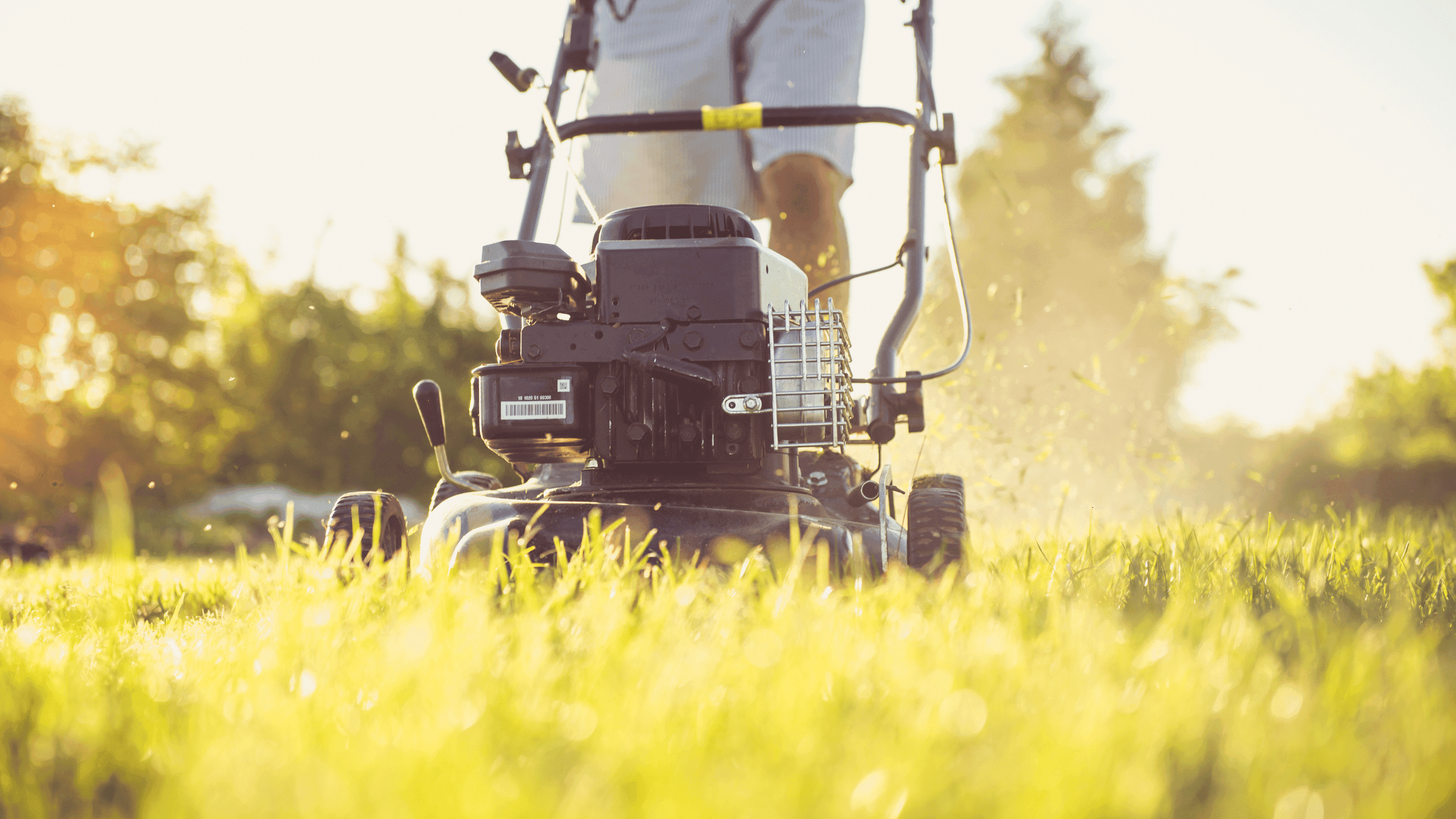
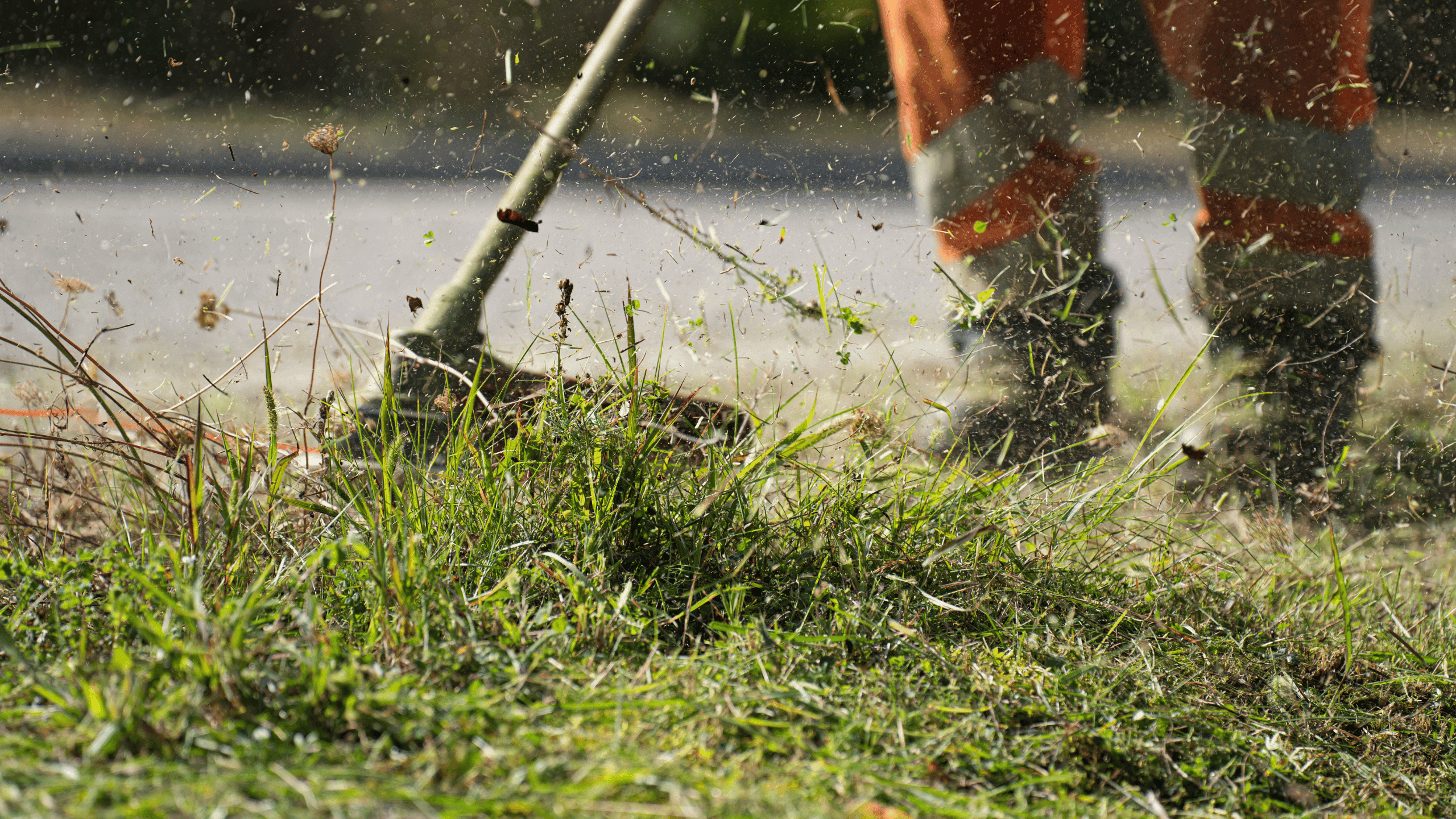
Do not mow it during full bloom without protection. Mowing then raises a cloud of pollen. If you must, wear a mask and work in the evening.
Adjust ventilation. The highest pollen levels in the air are in the morning, so open windows late in the evening or after rain.
Monitor daily values. Check the current status for your location on the pollen map, and the multi-day outlook on the forecast.
Be cautious of the combination with pollution. In urban conditions, pollen and airborne particles act synergistically, more about which is discussed in the article on the significance of PM10 and PM2.5 values.
When to See a Doctor
If symptoms last longer than two weeks, disrupt sleep, or wheezing occurs while breathing, it is worth undergoing an allergy evaluation. Testing shows which specific pollen you are sensitive to, which is more important than it seems: therapy for the weed season starts earlier than most people would assume, and if it turns out you react to both pigweed and ragweed, your season begins in mid-July, not in August.
How to Recognize Pigweed in Nature
If you want to remove pigweed from your garden, you first need to distinguish it from similar weeds. A few guidelines help:
The stem is firm, upright, often reddish at the base, and covered with fine hairs.
The leaves are oval to diamond-shaped, on long petioles, with prominent veins and slightly wavy edges.
The flower is dense, greenish to grayish, without petals, clustered at the top of the stem and in the leaf axils. It feels rough to the touch.
The root is often reddish, which is how some species are recognized.
The most common confusion is with lamb's quarters, which has leaves covered with a whitish, powdery coating. Since both plants belong to the same group and share allergens, in practice, it is not necessary to distinguish them to know how to react. Read more about the related species in the article on allergy to lamb's quarters.
Why Pigweed Is Spreading More and More
Pigweed is a warm-loving plant that tolerates drought and high temperatures excellently, so prolonged warm periods directly benefit it. Additionally, it prefers nutrient-rich soils and places where the ground is disturbed, and such surfaces are increasingly common in cities and along infrastructure. The result is a longer season and greater amounts of pollen than twenty years ago. The same mechanism that extends the season for other weeds is described in the article on the impact of climate change on allergy seasons.
When to Start Therapy
For allergy to pigweed, the same rule applies as for other weeds: medication introduced after inflammation has already lasted a week works significantly worse than medication introduced before the first symptoms. If you know from previous years that your troubles start in mid-July, arrange with your doctor to start therapy a few days earlier. In cases of pronounced eye symptoms, eye drops are often added, and for persistent nasal congestion, local therapy that acts on inflammation, not just on itching, is necessary. It makes sense to plan all this in advance, as appointments with allergists are hard to get in August.
Frequently Asked Questions
Is Pigweed Edible?
Young leaves of some species are used in cooking similarly to spinach, and the seeds of related species are known as amaranth. This does not mean it is harmless for allergy sufferers, as the source of troubles is the pollen, not the leaves. Individuals with pronounced hypersensitivity may react to foods from the same group.
How Long Does the Pigweed Season Last?
Generally from July to September, peaking in August. In warm autumns, blooming can extend into October.
Do I Automatically React to Ragweed as Well?
Not necessarily, but overlap is common because the plants share habitat and season. Allergy testing is the only way to separate this.
Next step: go through the comprehensive guide to weed allergies and enable notifications for weed pollen on Allergy Now.
Track pollen levels in your city in real time
Check pollen map