Ambrosia 2026: week by week through the strongest pollen season in Croatia
For most allergy sufferers in Croatia, the year has two peaks. The first is in spring, when birch and grasses take over the air. The second comes later, quietly and much more unpleasantly, and it is called ambrosia. While the rest of the country returns from vacation, hundreds of thousands of people enter the six hardest weeks of the year. This guide provides a realistic weekly schedule of what to expect, region by region, and how to prepare before the first pollen grain reaches you.
Why ambrosia is a particularly cruel allergen
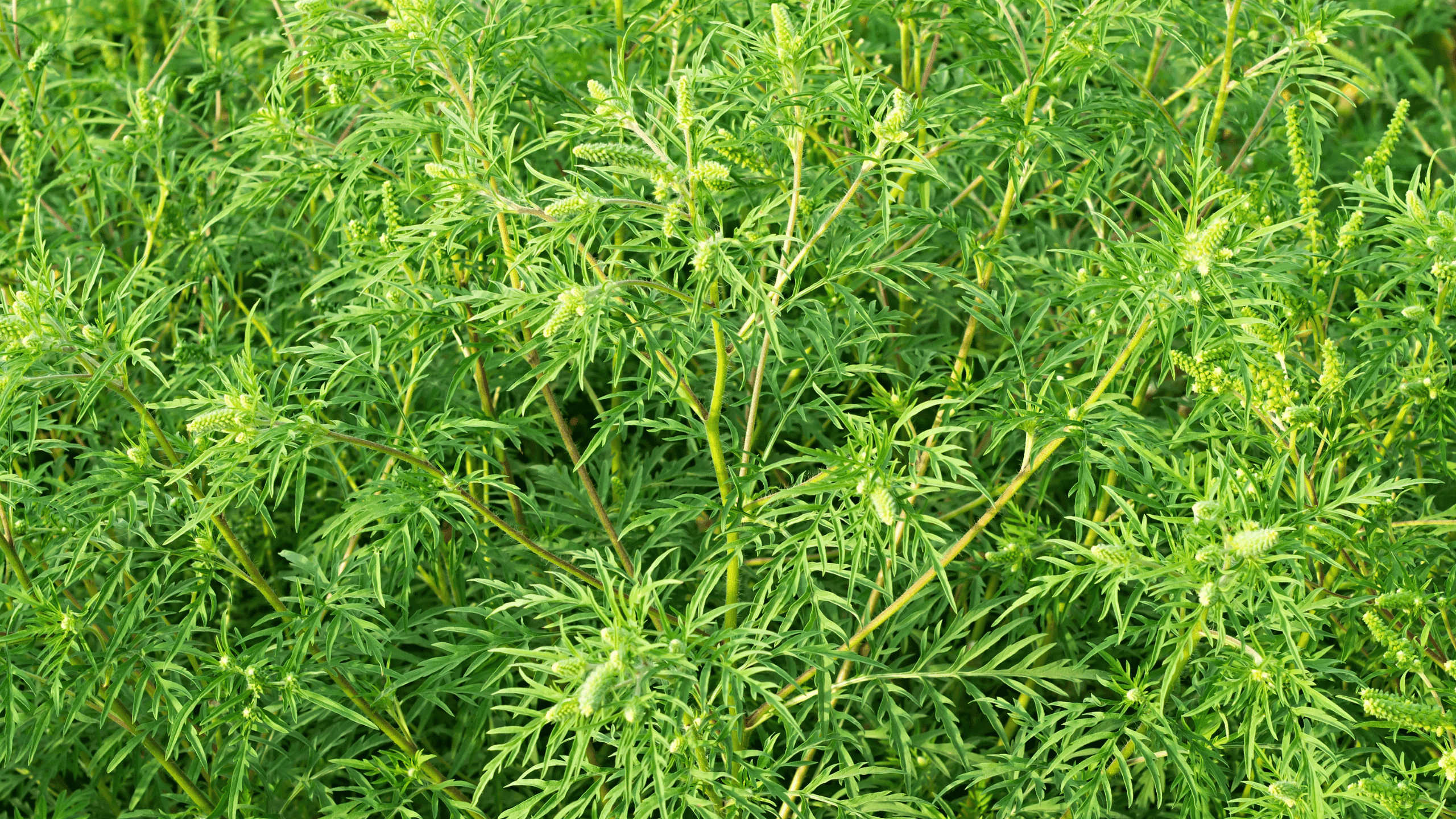
Ambrosia (Ambrosia artemisiifolia, known locally as limundžik) is not just another weed. A single plant can produce about a billion pollen grains in one season, and those grains are so small and light that the wind carries them for tens, sometimes even hundreds of kilometers. This means something very practical: you do not need to have ambrosia in your yard to experience symptoms. The pollen that wakes you up in your Zagreb apartment may have grown on an uncultivated plot eighty kilometers to the east.
Another unpleasant characteristic is the low reaction threshold. For most pollens, a relatively high concentration is needed for symptoms to appear, while sensitive individuals react to ambrosia with just a few grains per cubic meter of air. This often leads to pollen forecasts showing moderate values, while you feel like you have a severe cold. If you are unsure how to interpret the numbers you see, a guide on how to read the pollen forecast will help you.
Week by week: what to expect
End of July and the first week of August: a quiet start
First measurable concentrations usually appear at the end of July in eastern Slavonia and Baranja. The values are still low, but the most sensitive allergy sufferers already notice itching in the palate and watery eyes in the evening. This is the most important week of the entire season, and for one reason: therapy is introduced before symptoms appear, not when you have been sneezing for three days. The preventive approach is detailed in the article on the flowering calendar and preparation for the season.
Second and third week of August: the rise
Concentrations rise sharply, usually with stable and warm weather accompanied by a light easterly breeze. Slavonia enters high values, and pollen begins to arrive in northwestern Croatia. This is the period when most people first consult a doctor thinking they have a cold. If you are wondering how to distinguish one from the other, the key is in the duration and in the itching: allergies last for weeks, itch, and do not cause a fever.
End of August and the first half of September: the peak
This is the hardest time of the year for weed allergy sufferers in Croatia. Daily concentrations can be dozens of times higher than the sensitivity threshold, and the morning hours between six and ten are usually the worst as plants release the most pollen then. The peak also coincides with the start of the school year, which is a separate problem described in the text about weed allergies.
Second half of September: plateau with drops
Concentrations remain high but become unpredictable. Rain washes the air and brings one to two days of relief, and then the values return. Dry and windy weather during this period almost always means a bad day.
October: downward trajectory
Ambrosia slowly loses strength, but does not disappear until the first strong frost arrives. In mild autumns in southern continental Croatia, measurable concentrations can linger until the end of October.
What you can do, specifically
Plan your day around the morning. Move running, biking, and gardening to late afternoon or hours after rain.
Close windows between 6 and 10 a.m. Ventilate in the evening, and use air recirculation in the car.
Dry laundry indoors. Pollen sticks to damp fabrics and then travels straight into your bedroom.
Rinse your hair before bed. This is one of the most underrated measures, as pollen from your hair ends up on your pillow.
Filter the air in your bedroom. A device with a HEPA filter retains pollen grains, and how to choose the right model for the size of the room is explained in the guide on CADR values of air purifiers.
Ambrosia and air quality: a connection that most overlook
Pollen grains of ambrosia belong to the coarse fraction of suspended particles, thus they are measured as part of PM10 values. This has a practical consequence. When high pollen levels coincide with polluted air, symptoms are more pronounced than pollen alone would explain. Fine particles from traffic damage the mucous membranes and facilitate allergen penetration, and this mechanism is well described in the text about the impact of PM2.5 particles on health. Therefore, on days with high ambrosia levels, it makes sense to check the air quality map, especially if you live near a road in Osijek or Zagreb.
Watch out for food: cross-reactions
People allergic to ambrosia often react to melon, watermelon, banana, cucumber, and zucchini, and often to chamomile and sunflower seeds as well. The reaction is usually mild and limited to the mouth, but can surprise in mid-August when melon is a daily food. The mechanism is explained in the article on cross allergies. Similar overlaps exist with wormwood, which blooms just before ambrosia.
Why is it worse for you in the city than in the countryside
It sounds counterintuitive, as ambrosia grows in the countryside. However, many allergy sufferers notice that they feel worse in Zagreb or Osijek than on a plot in the middle of Slavonia. The explanation has two parts. The first is that pollen travels easily, so urban air is already full of ambrosia brought in from surrounding areas. The second is more important: in an urban environment, pollen comes in combination with exhaust gases and suspended particles, and this combination alters the pollen itself. Grains exposed to pollution become more aggressive and release allergenic proteins more easily, while at the same time already irritated mucous membranes provide weaker resistance. Therefore, two days with the same measured pollen level can be completely different experiences for you, depending on the quality of the air.
Frequently asked questions
Can rain remove ambrosia pollen?
Partially. Longer and heavier rain washes grains out of the air and usually brings one to two days of relief. A short downpour can have the opposite effect, as moisture and mechanical force break the grains into finer fragments that penetrate deeper into the airways.
Does going to the seaside help?
For most ambrosia allergy sufferers, yes, as the plant is significantly less widespread on the coast, and sea air has fewer suspended particles. Check the levels for your destination before traveling on the regions page.
Why do I feel the worst in the morning?
Ambrosia releases the most pollen in the early morning hours, usually between six and ten. If you need to exercise outdoors, move it to late afternoon.
Can symptoms start only in the second half of life?
They can. Pollen allergy can develop at any age, and the reasons for the increase in hypersensitivity are explained in the text Genetics and the environment.
Before you go outside: check the pollen levels for your location on Allergy now and enable personalized notifications for ambrosia. Read the detailed profile of the plant in the article Ambrosia allergy: the queen of weeds.
This text is for informational purposes and does not replace medical advice. If symptoms affect your sleep, work, or breathing, consult your family doctor or allergist.
Track pollen levels in your city in real time
Check pollen map