Back to School with Allergies: How to Survive September, the Worst Month of the Year
For a child with allergies, September is the most challenging month of the year, and for reasons that are rarely mentioned together. Outside, it is the peak of ragweed season. Inside, classrooms that have been closed for two months are filled with dust on the shelves and dust mites in the carpets. Additionally, the first wave of viral infections arrives. The result is a child who coughs, does not sleep well, has difficulty concentrating, while everyone around them assumes they simply have a cold.
Why Everything Coincides in September
Three layers act simultaneously:
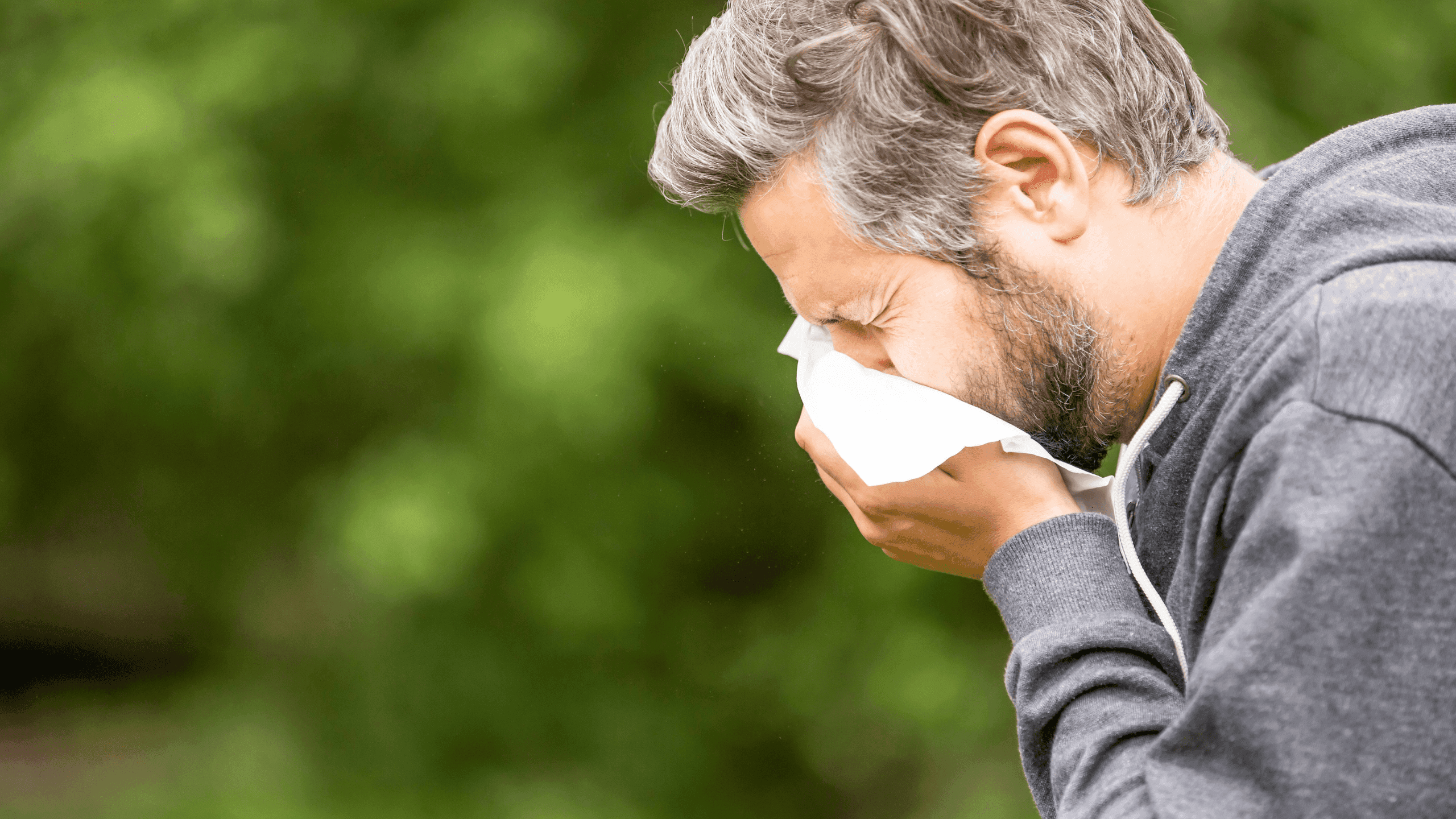
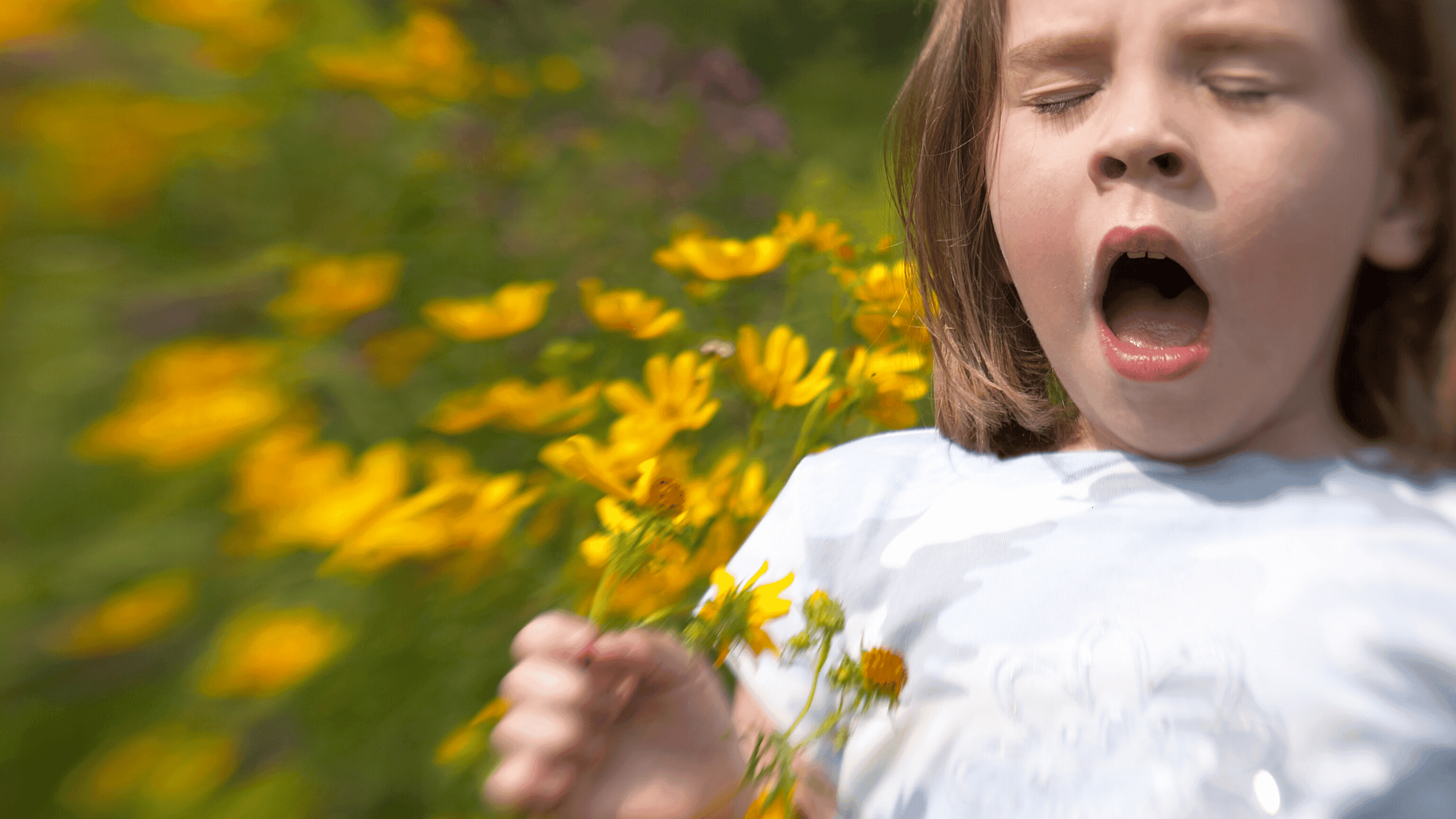
Outdoor allergens. Ragweed reaches its highest concentrations of the year in the first half of September, along with mold spores and late grasses. Details are in the article about ragweed allergy.
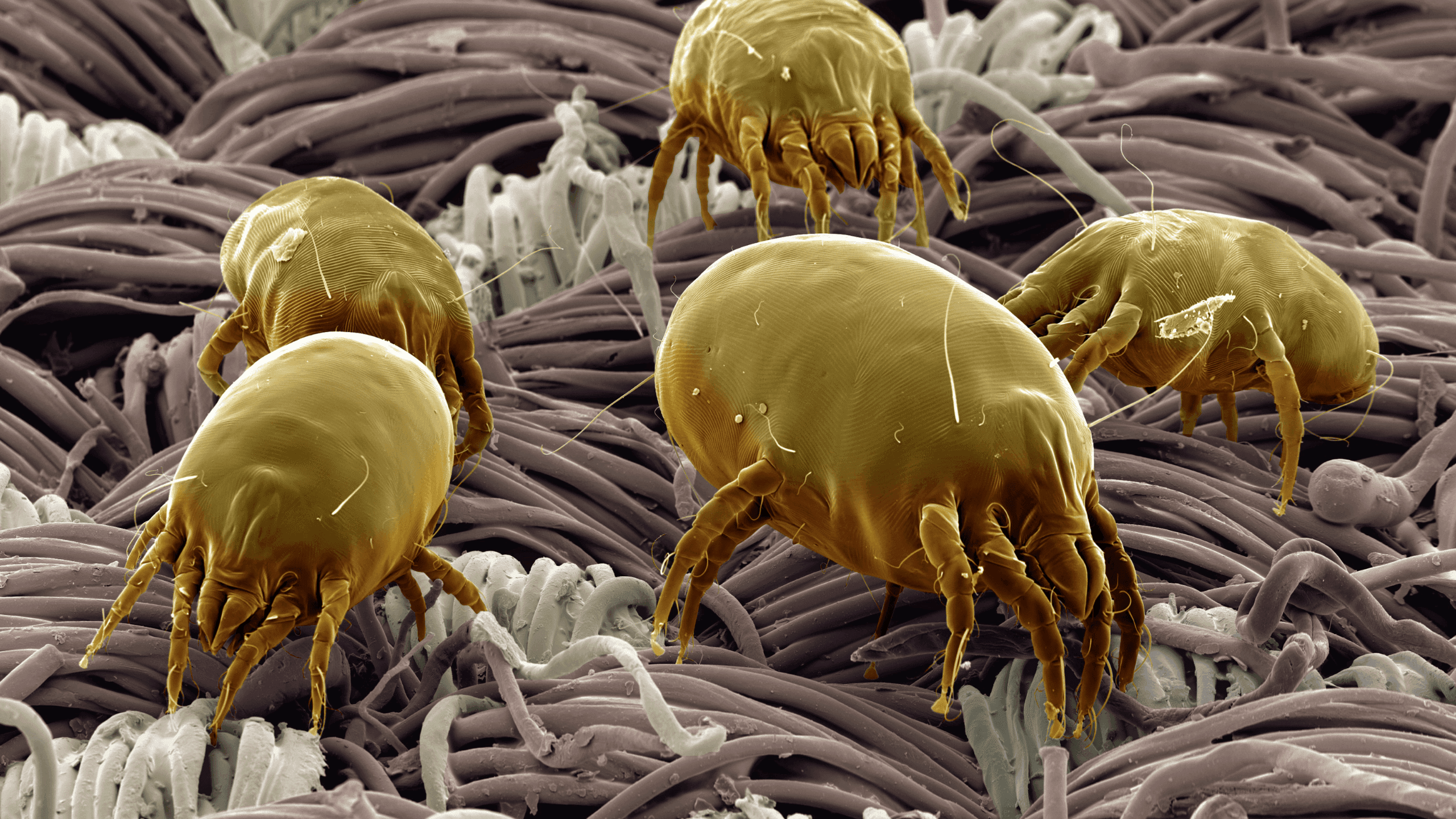
Indoor allergens. A closed classroom over the summer means accumulated dust, and dust mites breed most in the warm, humid months leading up to September. How to reduce them is described in the text about dust mites.
Irritants. Schools are painted, floors are varnished, and furniture is changed over the summer. Volatile organic compounds from fresh coatings further irritate the already inflamed mucous membranes, more about which can be found in the article on volatile compounds in paints and furniture.
What to Arrange with the School
A brief conversation with the class teacher at the beginning of the year resolves most problems during the season. It is useful to arrange the following:
For the school to know the diagnosis and therapy. Write a short note with the name of the medication, dosage, and timing of administration.
Where the medication is located and who is allowed to access it. For a child with asthma, the inhaler must be accessible, not locked in the staff room.
That physical education on days with high values is held indoors. An outdoor class at nine in the morning in mid-September is the worst possible choice for a child allergic to ragweed.
To avoid sitting by an open window in classrooms facing neglected green areas.
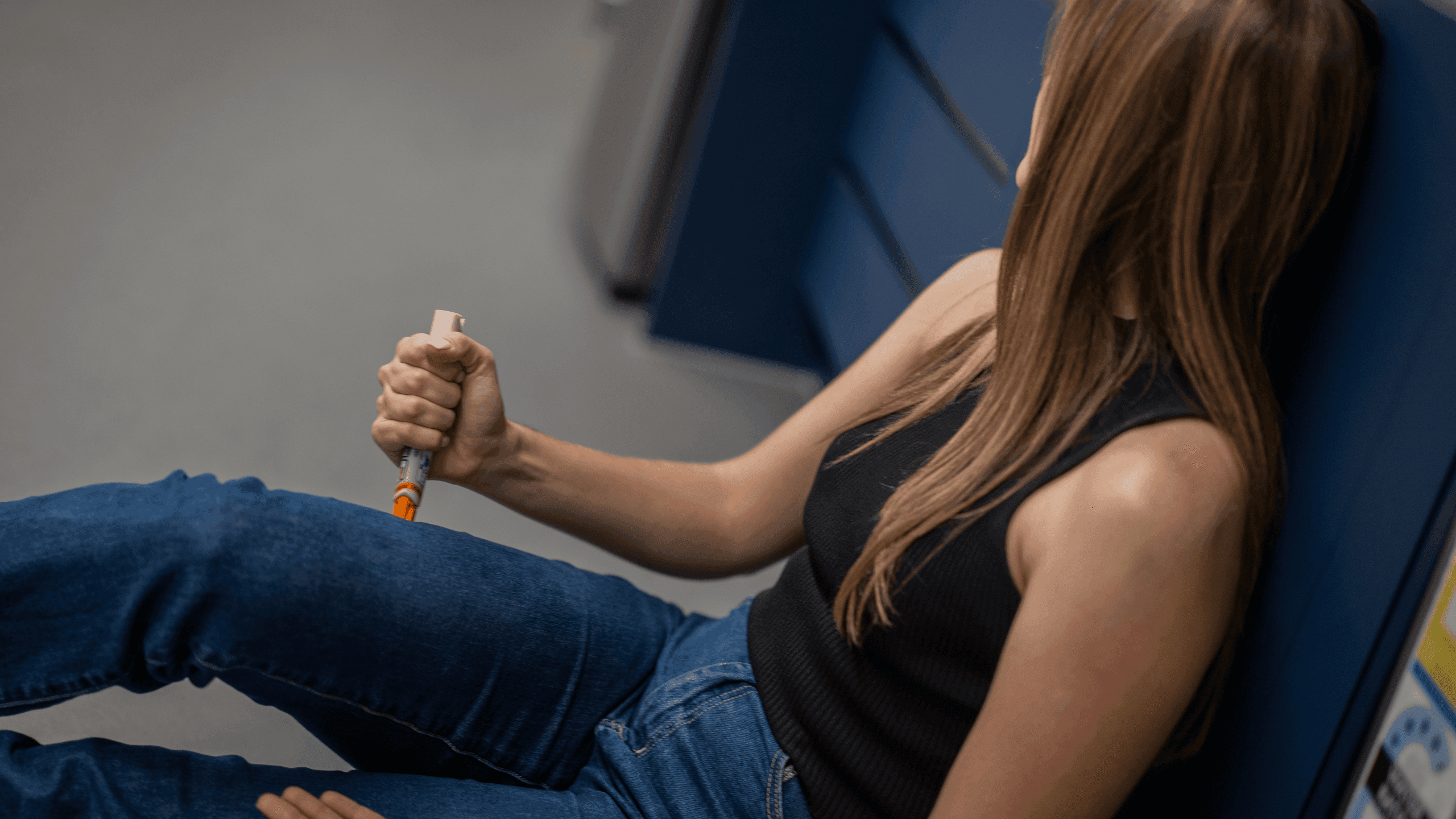
When to call the parents. Clearly define the signs of deterioration, especially difficulty breathing. What to do in the worst-case scenario is explained in the article about anaphylactic shock.
A Routine That Really Helps
Therapy before symptoms start. If a child reacts to ragweed every year, arrange with the doctor to start therapy at the end of July, not after symptoms have already lasted a week.
Check the forecast with breakfast. Thirty seconds on the pollen forecast or pollen map determines whether the child will go outside during recess that day.
Change clothes upon returning home. Clothing carries pollen into the living room and then into bed.
Wash hair in the evening. The simplest measure with the greatest effect on sleep quality.
No drying laundry outside during August and September.
The bedroom as a safe zone. No carpets and stuffed toys on the bed, bedding is washed at high temperatures, and windows are closed in the morning.
The Overlooked Impact on Learning
Untreated allergic rhinitis in children reduces sleep quality, leading to decreased concentration, irritability, and poorer school performance. Parents and teachers often attribute this pattern to laziness or lack of interest, especially in the first weeks of school. It is worth remembering that this is a medical, not an educational problem, and it is resolved with therapy.
When the Air in the Classroom Becomes Part of the Problem
In urban schools near traffic routes, air pollution adds to the allergens, which in itself worsens respiratory symptoms. Before concluding that only the flowers in the park next to the school are to blame, check the air quality status in your city and read what the values you will see in the guide to the abbreviations PM2.5, PM10, and AQI actually mean.
What to Pack in the Backpack
A little preparation eliminates most improvisation during the day:
prescribed medication in a dose for one day, clearly labeled with the child's name;
inhaler if the child has asthma, along with written instructions for use;
paper tissues and small wet wipes for wiping the face and hands after being outside;
artificial tears or eye drops if prescribed by a doctor;
a bottle of water, as hydration facilitates coughing and reduces the feeling of dryness in the throat;
sunglasses, which mechanically reduce the amount of pollen that reaches the eyes.
Sports and Physical Education
Children with allergies should not be exempt from physical education; rather, conditions should be adapted for them. Physical activity is important for lung development and self-confidence, and complete avoidance sends the wrong message. The practical rule is simple: on days with high pollen levels, activities move indoors, and on days with low values, there is no reason for restrictions. For a child with asthma, effort-induced reactions are prevented with medication before activity, as directed by the doctor. The pollen forecast will serve as a guide, and in urban areas near traffic, the air quality forecast will also be useful.
When a Child Doesn’t Want to Be Different
With older children and teenagers, a problem arises that has nothing to do with medicine. Taking medication in front of the class, carrying tissues, or missing physical education classes is perceived as a sign of being different, so they skip therapy and hide their symptoms. The solution is conversation, not control. Explain that the goal of therapy is precisely to make the allergy invisible and not dictate the day. A medication taken in the morning at home resolves a good part of that discomfort, and the inhaler in the backpack does not have to be exposed. When the child realizes that therapy means more freedom, not less, cooperation significantly improves.
Frequently Asked Questions
Can a child outgrow an allergy?
Some allergies, especially to certain foods in early childhood, may resolve. Pollen allergies are less likely to disappear on their own, but they are well controlled with therapy, and for some children, immunotherapy leads to lasting improvement.
Is sneezing in the morning a sufficient reason to visit a doctor?
If it recurs for weeks and affects sleep or concentration, it is. Untreated allergic rhinitis in children increases the risk of developing asthma.
Should I inform the school if my child does not have a severe allergy?
Yes, because a teacher who knows about the diagnosis interprets coughing and fatigue differently, which makes the day easier for the child.
For parents: subscribe to personalized allergen alerts for your child at Allergy Now and check the pollen calendar to know when the next wave begins.
Track pollen levels in your city in real time
Check pollen map