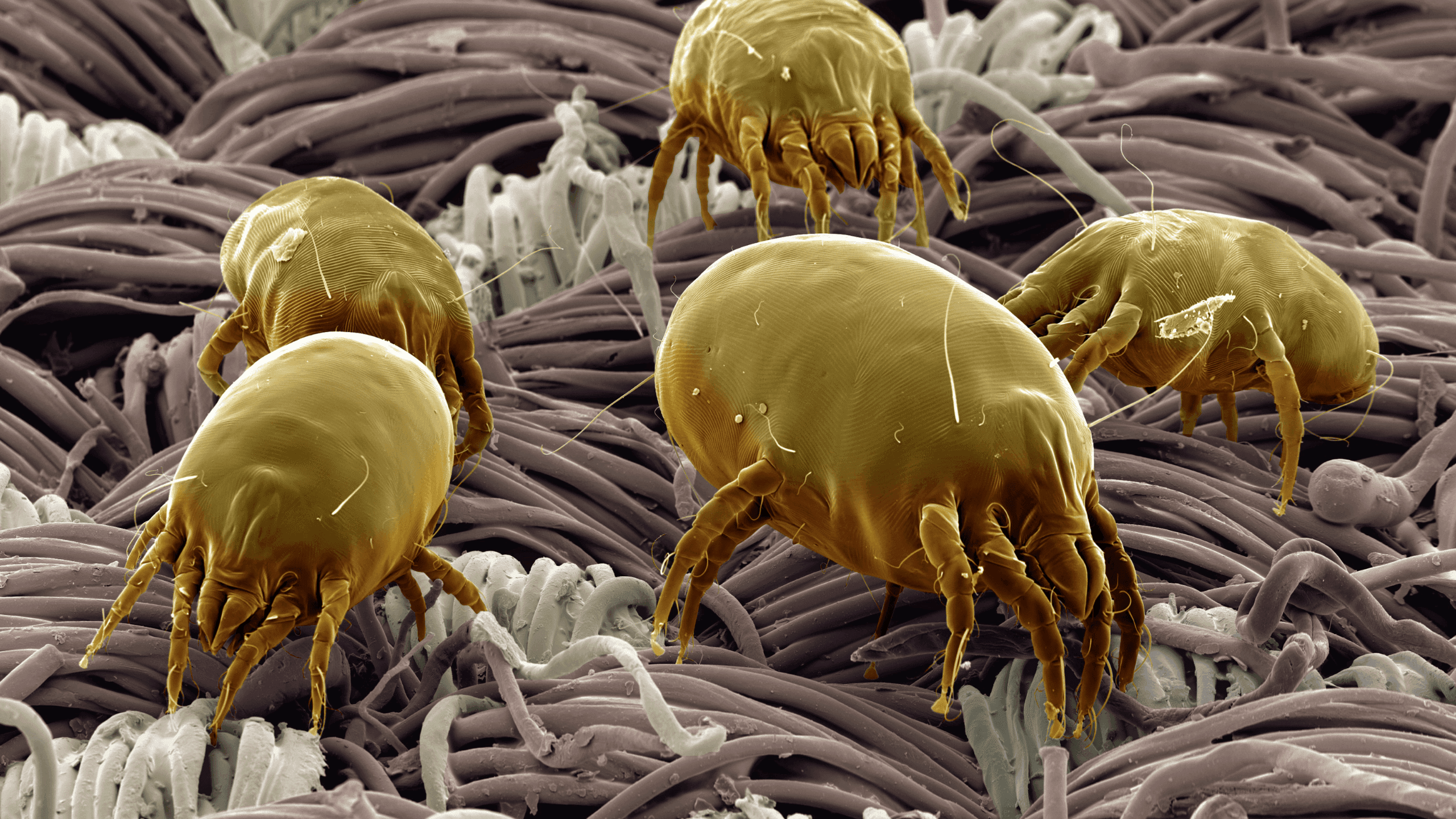
Dust Mites – Invisible Residents: How to Properly Clean Your Home to Reduce Symptoms?
While most people focus on seasonal issues such as tree pollen in spring or aggressive ragweed in late summer, many forget that the biggest enemy of their respiratory system often hides within their four walls. Dust mite allergy is one of the most common causes of perennial allergic rhinitis and asthma. Unlike outdoor allergens that we can track using tools like the pollen map, dust mites are invisible residents that do not choose the season.
In Croatia, where humidity and construction methods often favor the development of these microscopic organisms, fighting dust mites requires a strategic approach to cleaning and maintaining the home. If you wake up every morning with a stuffy nose, swollen eyelids, or a dry cough, it is very likely that your home needs a thorough "detoxification".
What are dust mites and why do they cause allergies?
Dust mites are microscopic arthropods from the order Acarina that are completely invisible to the human eye. They do not bite and do not directly transmit diseases, but they are powerful allergen producers. The main culprit for your allergies is not the mite itself, but their feces and remains of dead individuals that contain specific proteins.
These proteins, when they enter the air and then our respiratory tracts, trigger the immune system to overreact. Dust mites feed on dead human skin cells that we shed daily, which is why their favorite habitats are places where we spend the most time: mattresses, pillows, upholstered furniture, carpets, and stuffed toys.
Dust Mite Allergy vs. Pollen Allergy: Key Differences
Although the symptoms are similar, it is important to know the difference:
Timing of Symptoms: While pollen and ragweed follow a strict flowering calendar, dust mites cause problems year-round, peaking in autumn and winter when we spend more time indoors and turn on heating (which stirs up dust).
Location of Symptoms: Symptoms of dust mite allergy are usually most pronounced in the morning, immediately after waking up, because you have spent the whole night in direct contact with the largest reservoir of dust mites, your bed.
Pollen Map vs. Home Hygiene: For outdoor allergens, you check what the pollen map looks like, but for dust mites, you create the microclimate of your home yourself.
5 Steps for Properly Cleaning Your Home and Reducing Symptoms
If you want to reduce the concentration of dust mites, vacuuming once a week is usually not enough. A systematic approach is needed to eliminate their habitats and food sources.
1. Bedroom: Focus on the "Zero Point"
The bedroom is the most critical room. An average mattress can host from 100,000 to even 10 million dust mites.
Anti-allergy Covers: This is the most effective investment. Special impermeable covers for mattresses, pillows, and duvets prevent dust mites from escaping, but also prevent new skin cells from entering the mattress.
Washing at High Temperatures: Wash bedding at least once a week at a minimum of 60°C. Lower temperatures will not kill dust mites.
Freezing Toys: Stuffed toys that cannot be washed at high temperatures should be placed in the freezer for 24 hours - low temperatures will kill the dust mites, and then wash them at a lower temperature to remove the allergen.
2. Control of Air Humidity
Dust mites do not drink water; they absorb moisture from the air. If the humidity in your home is below 50%, dust mites dry out and die.
Dehumidifiers: Use them in bathrooms and bedrooms.
Hygrometer: Get a small device to measure humidity to ensure that the level does not exceed 45-50%.
Ventilation: Even when there is a high concentration of substances like pollen outside, short, intense ventilation is necessary for air circulation.
3. Smart Flooring and Furniture Choices
Carpets are "dust factories" and ideal hiding places for dust mites.
Remove Carpets: If you suffer from severe allergies, the best option is hardwood, laminate, or tiles that can be wiped down.
Leather Furniture: Instead of fabric, choose leather or eco-leather that is easy to clean and where dust mites cannot penetrate.
Minimalism: Reduce the number of "dust collectors" like decorative pillows, heavy curtains, and open shelves with books.
4. Cleaning Technology: HEPA Filters are a Must
Classic vacuum cleaners often suck up dust from the floor and then blow fine allergen particles back into the air.
Vacuum Cleaners with HEPA 13 or 14 Filters: These filters retain 99.97% of particles up to 0.3 microns, including dust mite feces.
Damp Wiping: Always wipe dust from hard surfaces with a damp cloth (made of microfiber). Dry wiping only stirs allergens into the air.
5. Air Purifiers
A quality air purifier with multi-layer filters can significantly help, especially at night. It filters not only dust and dust mite debris but also outdoor allergens like those released by ragweed or other herbs, creating a clean oasis within your home.
Conclusion: Environmental Control for a Better Life
Dust mite allergy does not have to mean living in a sterile box, but it requires a conscious change in habits. Cleaning your home with the goal of eliminating dust mites is not just an aesthetic issue, but a medical necessity for every allergy sufferer.
By combining anti-allergy covers, humidity control, and using devices with HEPA filters, you can reduce the amount of allergens by more than 90%. Although you cannot control what the wind brings or what the pollen map shows for your city, you have complete control over what happens in your bed and living room. Start today, and your respiratory system will thank you tomorrow morning.
Track pollen levels in your city in real time
Check pollen map