When Does the Pollen Season Actually End in Croatia and Why Do Symptoms Persist?
One of the most common questions allergy sufferers ask in October is: when will this stop? The answer is less straightforward than one might expect. The pollen season in Croatia does not have a clear end date; it gradually diminishes depending on the weather and the region. And when it finally does end, many people still experience symptoms, just with a different cause.
Who Leaves the Scene Last
The order of cessation in Croatian conditions looks approximately like this:
Grasses lose strength during July and August, but a second cut and humid summers can extend the period into September. Details are in the article about grass allergies.
Wormwood usually ends around the end of September.
Ragweed is the last major player. Measurable concentrations persist until the first strong frost, which in continental Croatia usually means the end of October, and in mild autumns, the beginning of November.
Mold spores last the longest, as long as there is wet foliage and organic matter decomposing, often deep into November.
On the coast, the picture is different. There, cypress appears as early as January and February, so the period of complete dormancy is short. In the continental part, the first herald of the new season is alder, followed closely by hazel, which in mild winters can start as early as the end of January. The complete schedule is available in the flowering calendar.
Why Frost Is Not a Switch
The first frost kills the plant but does not remove the pollen that is already in the environment. Grains settle on the ground, clothing, leaves, and surfaces, so a dry and windy day can lift them back into the air. This is why occasional bad days occur even after the season is formally over. Additionally, autumn increasingly brings prolonged warm periods, so the end of the season shifts from year to year. This trend is discussed in the text about the impact of climate change on the duration of allergy seasons.
Changing of the Guard: What Takes Over After Pollen
For a large number of allergy sufferers, symptoms do not recede in November; they simply change character. Instead of sneezing and watery eyes, persistent nasal congestion, morning secretion, and cough appear. The reasons are internal:
Dust mites. The heating season and closed windows mean that you spend most of the day in an environment with the highest concentration of their allergens. How to reduce exposure is described in the article about dust mites.
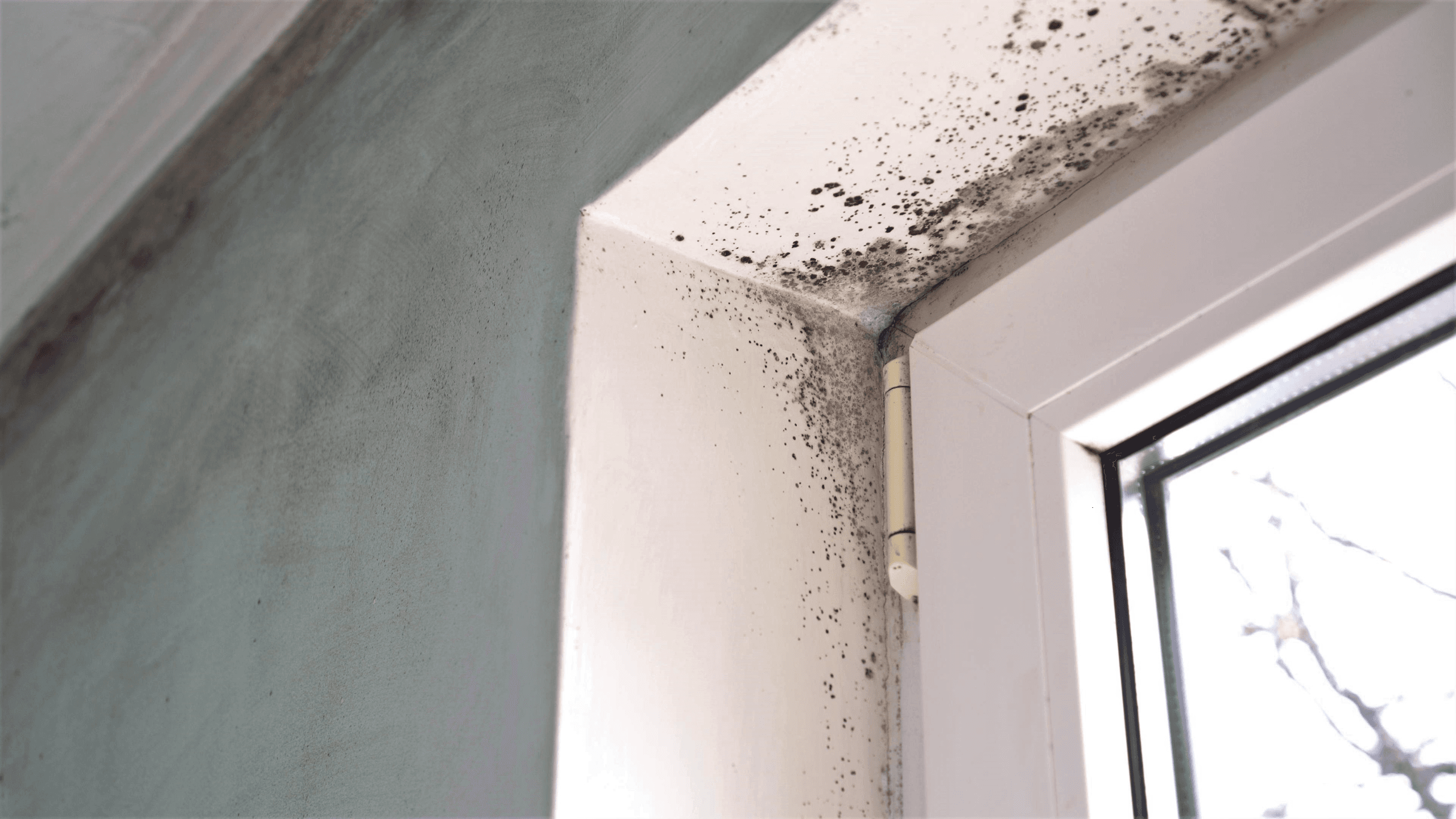
Mold in the apartment. Condensation on cold walls and windows is an ideal habitat, and the consequence is year-round rhinitis.
Pets. In winter, we all spend more time indoors with them, so exposure increases even though nothing has changed. More in the text about pet allergies.
Polluted air. In winter, the share of fine particles from household heating and traffic increases in Croatian cities, especially during fog and temperature inversions. For allergy sufferers and asthmatics, this means a more sensitive mucosa and more severe symptoms, and the situation in cities can be monitored on the air quality map and through the air quality forecast.
How to Utilize the Calm Period
The period between the end of one season and the beginning of another is the best time for everything that doesn't get done during the season. Specifically:
Get an allergy assessment. Testing is simpler out of season, and the result gives you an accurate list of allergens and thus a precise schedule for the next year.
Discuss long-term treatment. Immunotherapy is usually started out of season and is the only approach that works on the cause, not just the symptoms.
Organize your bedroom. Protective covers for mattresses and pillows, washing bedding at high temperatures, less textile that collects dust.
Check filtration. If you use an air purifier, winter is the time to replace filters. How to match the device with the room size is explained in the guide through CADR values.
Prepare in advance. Set a reminder for mid-January and monitor the first values on the pollen map, so that hazel does not surprise you. The approach to preparation is explained in the article about the flowering calendar.
A Short Answer to the Initial Question
The pollen season in Croatia practically ends at the end of October in the continental part and somewhat earlier in the mountains, while on the coast it almost imperceptibly transitions into the winter flowering of cypress. The calm period lasts shorter than before, approximately from November to mid-January, and that is why it is worth utilizing. Allergy is not conquered in August, but in the period when there are no symptoms.
Regional Differences in Season Duration
For its size, Croatia is exceptionally diverse, so one date does not apply to all:
Eastern Croatia has the longest and most intense end of the season due to ragweed, which persists until the first strong frost.
Northwestern Croatia and Zagreb follow a similar pattern, with somewhat lower peaks but with an additional burden from winter air pollution.
Gorski Kotar and Lika enter dormancy earlier due to lower temperatures but have a more pronounced season of mold spores due to humidity and forest litter.
Istria and Kvarner have a short calm period because cypress starts early, often as early as January.
Dalmatia practically has no real break, as the winter flowering of cypress continues into the early flowering of olives and Mediterranean vegetation. More in the article about olive allergies.
Therefore, moving from Slavonia to Dalmatia does not mean the end of troubles, but a change of allergens and a shift in the season. A comparison by counties can be viewed on the regions page.
Keep a Brief Symptom Diary
The most useful thing an allergy sufferer can do out of season is to look back. A note of two sentences daily, that is, the date, the severity of symptoms from one to five, and where you were, after one year gives a more precise picture than any general calendar. You will see when your season really starts, which allergen affects you the most, and how long the consequences last. That note is also the best basis for a conversation with a doctor, as it turns unclear sneezing into a concrete pattern that can be treated.
Frequently Asked Questions
Why am I coughing in December?
The most common reasons are dust mites, mold in the apartment, and dry air due to heating, along with contributions from air pollution in cities. If symptoms occur in the morning and ease when you are out of the apartment for a longer time, the source is almost certainly internal.
Does a mild winter mean an earlier season?
Generally, yes. Hazel and alder react to the first warm days, so in mild winters, the first measurable values arrive as early as the end of January.
When is the best time for an allergy assessment?
Out of season, that is, from November to January. During this time, appointments are more available, and results are not influenced by current exposure and therapy.
Don’t wait for the first symptoms: follow the pollen forecast throughout the year and enable personalized notifications on Allergy Now.
This text is for informational purposes and does not replace a doctor's advice.
Track pollen levels in your city in real time
Check pollen map