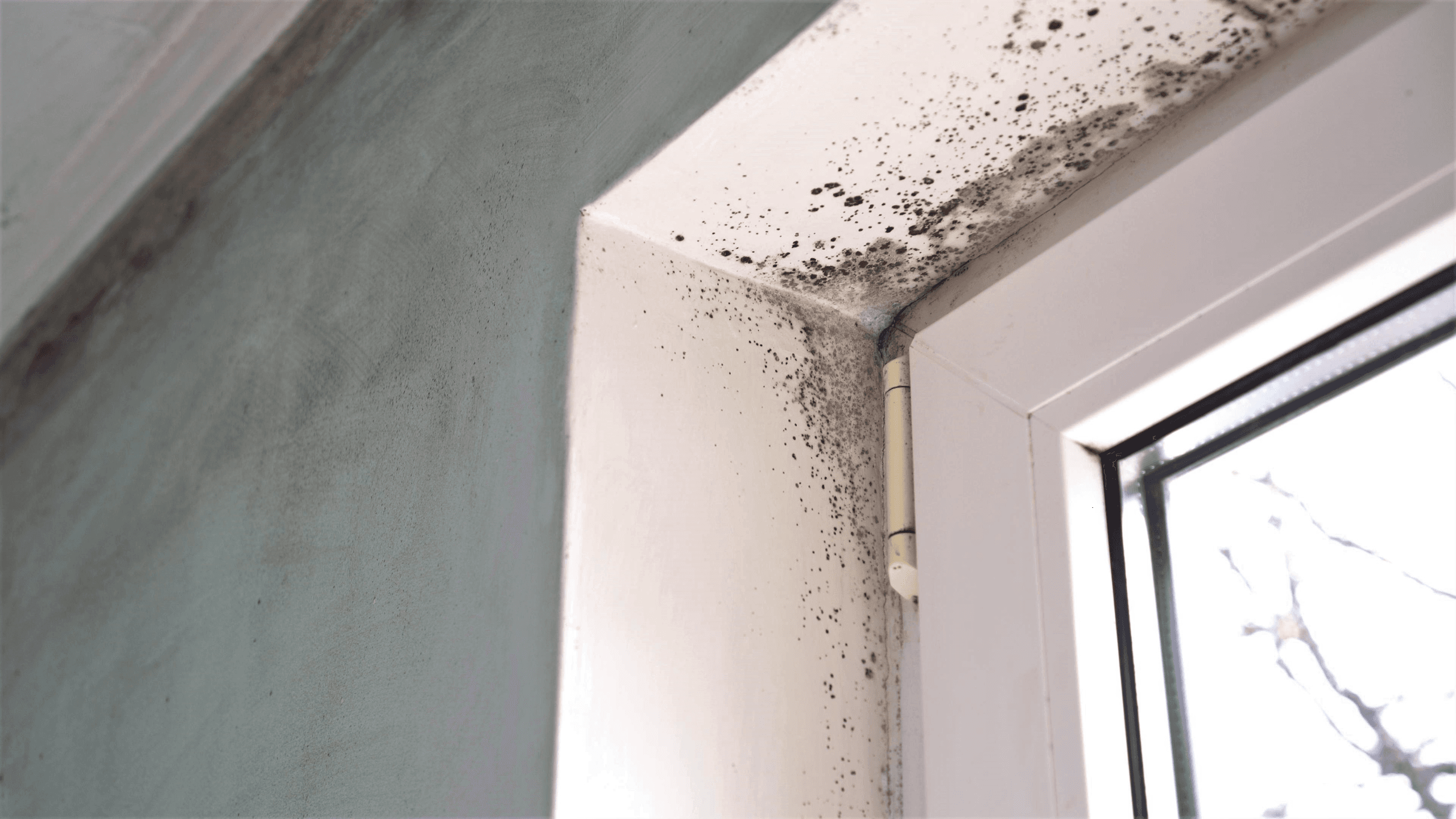
Mold in the Apartment: A Hidden Danger Causing Year-Round Rhinitis
When we think about the causes of respiratory problems, the first association is usually pollen. Most people eagerly follow the flowering calendar, dreading the moment when birch or aggressive ragweed will appear in the air. However, what happens when sneezing, a stuffy nose, and coughing persist even after the first frosts and when the pollen map finally shows "green"? The answer often lies in the corners of our homes, behind cabinets or in damp basements.
Mold in the apartment is not just an aesthetic problem or a sign of moisture; it is a serious health threat. Allergy to mold spores is one of the most common causes of what doctors refer to as perennial (year-round) allergic rhinitis. In the context of Croatia, mold presents a specific challenge due to our climate, building methods, and energy renovation of buildings that sometimes "traps" moisture inside the space.
What is Mold and How Does It Affect Us?
Molds are microscopic fungi that grow in threads and reproduce through spores. These spores are so tiny that they are invisible to the naked eye and constantly float in the air, both outside and indoors. When spores land on a damp surface, they begin to grow and colonize the material.
The problem for human health arises when we inhale these spores. In individuals with developed hypersensitivity, the immune system recognizes the spores as dangerous invaders. Just as pollen activates histamine in spring, mold spores do so year-round. The result is allergies that are often misdiagnosed as chronic colds or sinusitis.
Symptoms of Mold Allergy: More Than Just Sneezing
The symptoms caused by mold indoors can be very persistent and exhausting. They most commonly include:
Chronic nasal congestion: A feeling of "heaviness" in the sinuses regardless of the season.
Eye irritation: Itching, redness, and tearing, similar to when there is a high concentration of substances like ragweed.
Dry cough and chest tightness: Mold is one of the main triggers for asthma exacerbation.
Skin reactions: Rashes, redness, or worsening of atopic dermatitis.
Headaches and fatigue: Prolonged exposure to mycotoxins (toxins produced by certain types of mold) can lead to a chronic feeling of exhaustion.
Where Does the "Enemy" Hide?
Mold does not always have to be visible as a black spot on the wall. It can grow in places we rarely check:
Bathrooms: Grout between tiles, shower curtains, and silicone around the bathtub.
Kitchens: Under the sink where pipes may slightly dampen and in the rubber of the refrigerator.
Bedrooms: Behind wardrobes pressed against external, cold walls and inside mattresses in damp rooms.
Air conditioning systems: If not cleaned regularly, air conditioners become ideal incubators for mold that is then blown directly into your living space.
Basements and attics: Spaces with poor ventilation and natural moisture.
Allergy Croatia: The Impact of Climate and Energy Renovation
Croatia faces a specific problem of moisture in apartments. In coastal areas, high relative humidity throughout the year favors the development of fungi. On the continent, the problem occurs in winter.
The phenomenon of energy renovation is interesting. Installing high-quality PVC joinery without adequate ventilation openings turns apartments into "hermetically sealed boxes". The moisture we produce from cooking, showering, and even breathing has no way to escape. It condenses on the coldest parts of the wall (thermal bridges), creating perfect ground for mold. While it is calm outside because there is no pollen, a silent invasion is taking place inside that harms your health.
How to Differentiate Mold Allergy from Pollen Allergy?
The main key is in the timing and location:
Seasonality: Pollen allergy stops after rain or with the change of season. Mold allergy often worsens during rainy periods (increased humidity) and lasts throughout the winter.
Location: If your symptoms ease as soon as you go outside for fresh air or go to work, and worsen as soon as you enter your apartment or lie down in bed, the culprit is definitely inside your home.
Pollen map: If your complaints peak while the pollen map shows low levels for all groups (trees, grasses, weeds), it’s time to inspect the walls and humidity in your apartment.
Combat Strategy: 5 Steps to a Mold-Free Home
Fighting mold requires persistence and a change in some daily habits.
1. Control Humidity (Key Step)
Mold cannot survive without moisture. The ideal humidity level in an apartment should be between 40% and 50%.
Get a hygrometer (a device for measuring humidity).
Use dehumidifiers in critical rooms.
Ensure a hood in the kitchen and fans in the bathroom that run for at least 15 minutes after showering.
2. Proper Ventilation
Many make the mistake of leaving the window "ajar" all day. This cools the walls around the window and encourages condensation. The proper method is "shock ventilation": open all windows wide for 5 to 10 minutes, several times a day. This will expel moisture while retaining heat in the furniture and walls.
3. Mechanical and Chemical Removal
If mold is already visible, do not wipe it with a dry cloth as this will only disperse the spores into the air.
Use chlorine-based products or specialized fungicides.
For a more natural option, alcoholic vinegar or 3% hydrogen peroxide can be effective for smaller areas.
After cleaning, paint the walls with paint that contains fungicides.
4. Furniture Arrangement
Never push large pieces of furniture (wardrobes, beds) all the way against external walls. Leave a gap of at least 5 to 10 centimeters to allow air to circulate. Without air circulation, the wall remains cold and damp, which is an invitation for mold.
5. Air Purifiers with HEPA Filters
A quality air purifier is an essential tool for every allergy sufferer. HEPA filters (High-Efficiency Particulate Air) are designed to capture 99.97% of particles, including microscopic mold spores. While ragweed or pollen spreads outside, the purifier will clean the air of what enters from outside as well as from spores that develop indoors.
Conclusion: A Healthy Home for Healthy Lungs
Mold allergy is exhausting as it leaves the patient no room for rest, even in the safety of their own home. Understanding that allergies do not only come from meadows and fields, but also from the damp corners of our rooms, is the first step towards healing.
Monitor humidity levels, ventilate wisely, and respond to the first signs of black spots. While the pollen map is essential for navigating outside, the hygiene of the indoor space is what determines how we will feel for most of the year.
Track pollen levels in your city in real time
Check pollen map