Grass Allergy: Everything You Need to Know About the Longest Pollen Season in Croatia
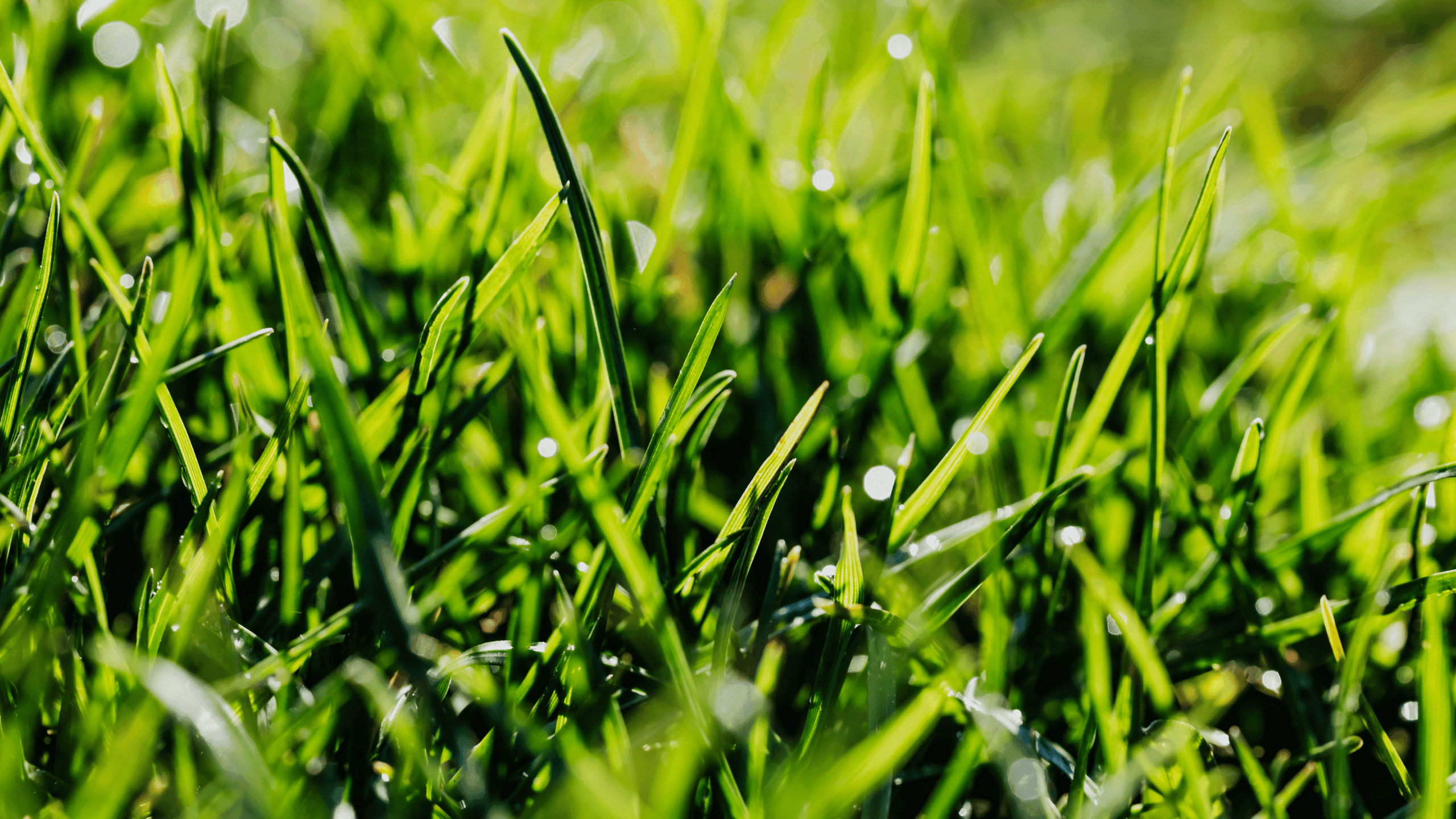
As trees like birch or oak fade from the flowering calendar, and the dangerous ragweed is just preparing for its autumn invasion, the most numerous and widespread group of allergens – grasses (Poaceae) – takes center stage. Grass allergy affects almost one in four residents of Europe, and in Croatia, it represents the longest and most exhausting period for allergy sufferers, stretching from April to late summer.
In the context of the term allergy Croatia, grasses are specific because they do not choose their location. Whether you live in the center of Zagreb, in the fields of Slavonia, or along the Adriatic coast, grass pollen is omnipresent. Understanding the dynamics of their flowering, monitoring tools like the pollen map, and timely medical assistance are key steps to preserving quality of life during the sunny months.
Grass Biology: Why Are They the "Perfect" Allergen?
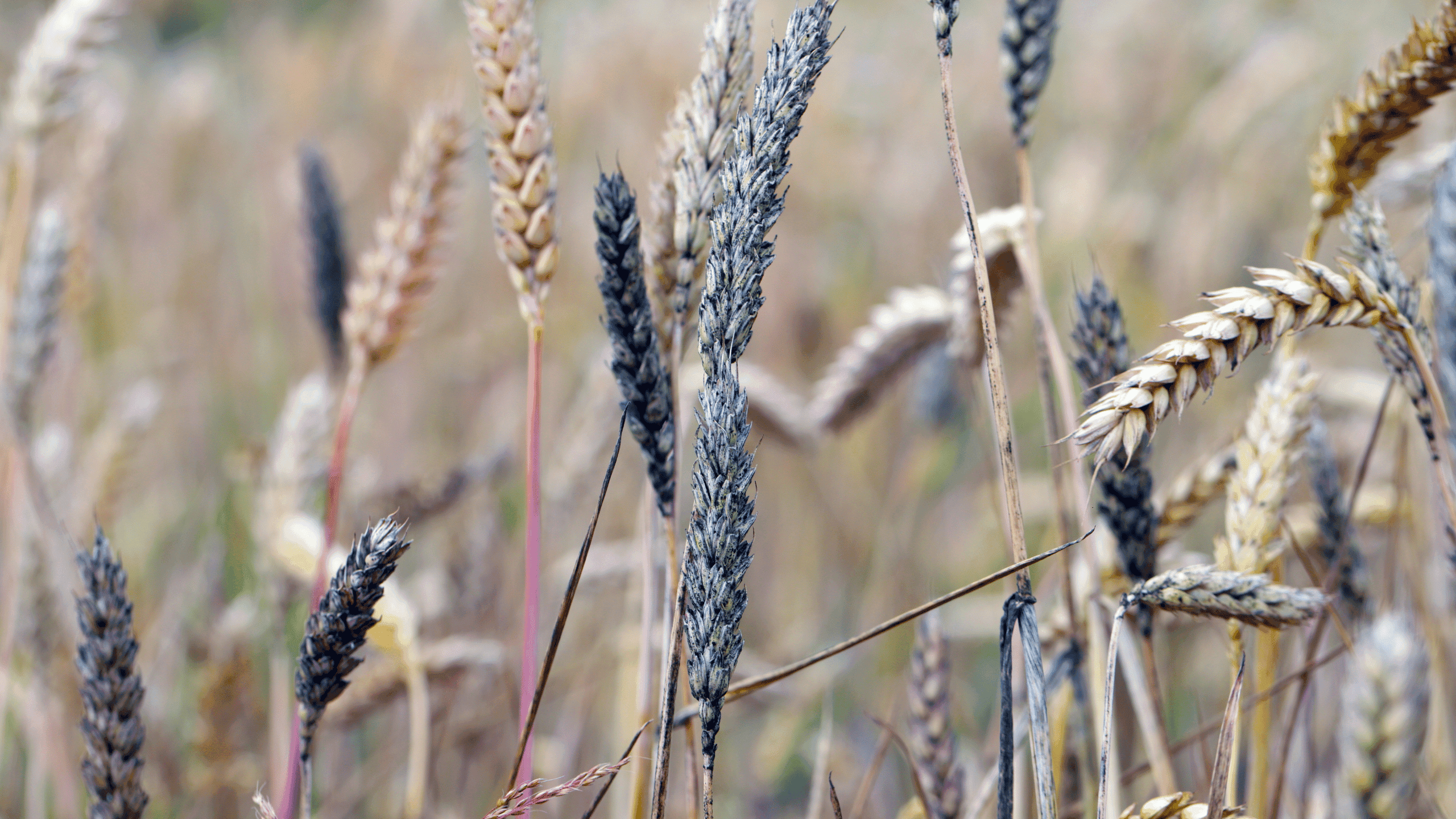
The grass family encompasses over 10,000 species, from those that make up our lawns to those we cultivate as grains (wheat, rye, corn). It is precisely this diversity that makes grasses so problematic.
What Makes Them So Aggressive?
Mass production: Grasses are wind-pollinated plants that produce enormous amounts of pollen. Because they are low-growing, their pollen remains in the "breathing zone" of people longer than tree pollen.
Long season: Due to the large number of species that flower one after another, the grass season lasts for months. While one species stops flowering, another just begins.
Strong cross-reactivity: Most grasses share very similar proteins (antigens). This means that if you are allergic to one species (e.g., meadow foxtail), you are likely to react to almost all others.
Symptoms: How to Recognize Grass Allergy?
The symptoms caused by grass allergies are classic symptoms of hay fever, but due to the long duration of the season, they are often exhausting for the body.
Allergic rhinitis: Sneezing in bursts, abundant watery nasal discharge, and chronic congestion.
Eye irritation: Itching, tearing, and burning. Since grasses are active during sunny months, UV radiation can further irritate the already inflamed mucous membranes of the eyes.
Allergic asthma: Dry cough, "wheezing" in the chest, and difficulty breathing. Grasses are one of the leading causes of asthma exacerbations in June.
Urticaria (hives): Direct skin contact with grass (e.g., sitting on a meadow or mowing) can cause rashes, itching, and redness at the site of contact.
Allergy Croatia: Where and When Is It Most Severe?
Croatia is botanically very diverse, which affects how grass pollen is distributed:
Continental Croatia (Slavonia, Central Croatia): Here, the grass season reaches its absolute peak in May and June. Vast agricultural areas and neglected meadows become sources of extremely high pollen concentrations.
Coastal and Dalmatia: Due to the specific climate, grasses here flower somewhat earlier. Although the sea air can bring relief, the hinterland (Dalmatian Zagora) is rich in wild grasses that the wind carries to coastal towns.
Mountain areas: Gorski Kotar and Lika provide temporary refuge for patients from the lowlands as flowering is delayed by two to three weeks due to lower temperatures.
Pollen Map: Your Strategic Ally Through Summer
When grasses are in full swing, the pollen map becomes an indispensable part of daily life. Monitoring this map allows you to:
Plan outdoor activities: The concentration of grass pollen is highest in the morning and during windy days. The map will show you exactly when the level is "in the red," which is a sign to stay indoors.
Differentiate from other allergens: In June, chestnut or linden also flower, but grasses are usually the ones that keep the concentration high. The map helps identify the true source of the problem.
Adjust therapy: If you see that the concentration does not decrease for weeks, you will know it is time for consistent application of medications prescribed by your doctor.
In Croatia, data on pollen movement is updated by local public health institutes, and it is recommended to check them daily before leaving home.
Cross-Reactive Food Allergies
Interestingly, the proteins in grass pollen have their "doppelgängers" in certain foods. People allergic to grasses may experience a burning sensation in the mouth or swelling of the lips after consuming:
Tomatoes and potatoes
Melons and watermelons
Oranges and kiwis
Peanuts and grains (like raw wheat)
This is called Oral Allergy Syndrome and is usually most pronounced during the peak of the grass flowering season.
5 Key Tips for Protection Against Grass Pollen
Fighting against grasses requires discipline, but it can significantly reduce the need for medication.
1. Avoid Mowing Grass
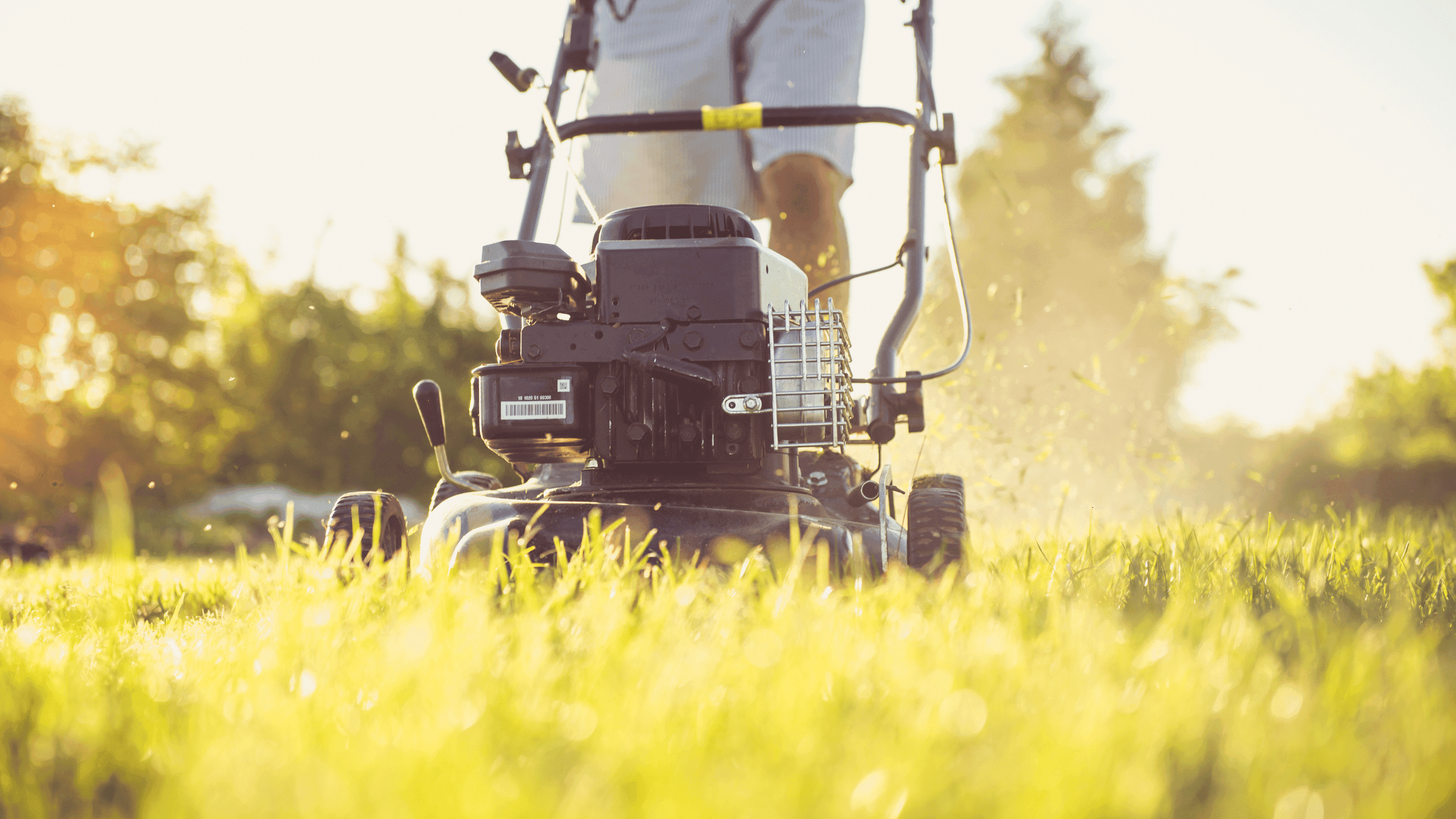
This may seem obvious, but mowing grass releases huge amounts of pollen and dust directly into the air. If you are allergic, let someone else do the mowing, and during that process, stay indoors with the windows closed for at least an hour after the work is done.
2. Hygiene After Entering the Home
Grass pollen grains are microscopic and sticky.
Washing Hair: Rinse your hair every evening to avoid transferring pollen to your pillow.
Changing Clothes: Remove the clothes you wore outside as soon as you enter the apartment and do not keep them in the bedroom.
Nasal Rinsing: Use saline sprays or nasal rinses to mechanically remove the allergen.
3. Control Microclimate
Keep windows closed, especially in the morning between 5 and 10 AM. If you ventilate, do so after rain or in the evening. Using a air purifier with a quality HEPA filter can dramatically improve the air quality in your home.
4. Drying Laundry
Never dry bedding or laundry outside during the grass season. Wet fabric acts as the most effective "collector" of pollen, which you will later inhale throughout the night.
5. Travel and Vacation
If you are planning a vacation, choose destinations at higher altitudes or islands where there are constant sea breezes (which do not carry pollen). Checking the pollen map for the destination you are going to can save your vacation.
Grasses vs. Ragweed: Who Wins?
Patients often ask what is worse. The answer depends on sensitization, but there is a significant difference in approach:
Ragweed is an aggressive weed that causes strong reactions in a short period (August/September).
Grasses are less "explosive," but they are present much longer, leading to chronic exhaustion of the immune system. In Croatia, patients who react to both often have no peace from May until the first frosts.
Conclusion: How to Welcome Summer Without Fear?
Grass allergy is not something you should just "endure." With modern medicine, knowledge of the flowering calendar, and regular information through tools like the pollen map, symptoms can be kept under control.
Be proactive: start therapy on time, avoid critical zones (uncut meadows), and maintain strict hygiene of your space. Although grasses are a ubiquitous challenge in Croatia, with the right protection, you can enjoy sunny days without constant sneezing. Respiratory health begins with awareness, and you now have all the necessary information to fight this invisible but persistent enemy.
Track pollen levels in your city in real time
Check pollen map