Olive Allergy: Everything You Need to Know About the Invisible Challenge of the Mediterranean
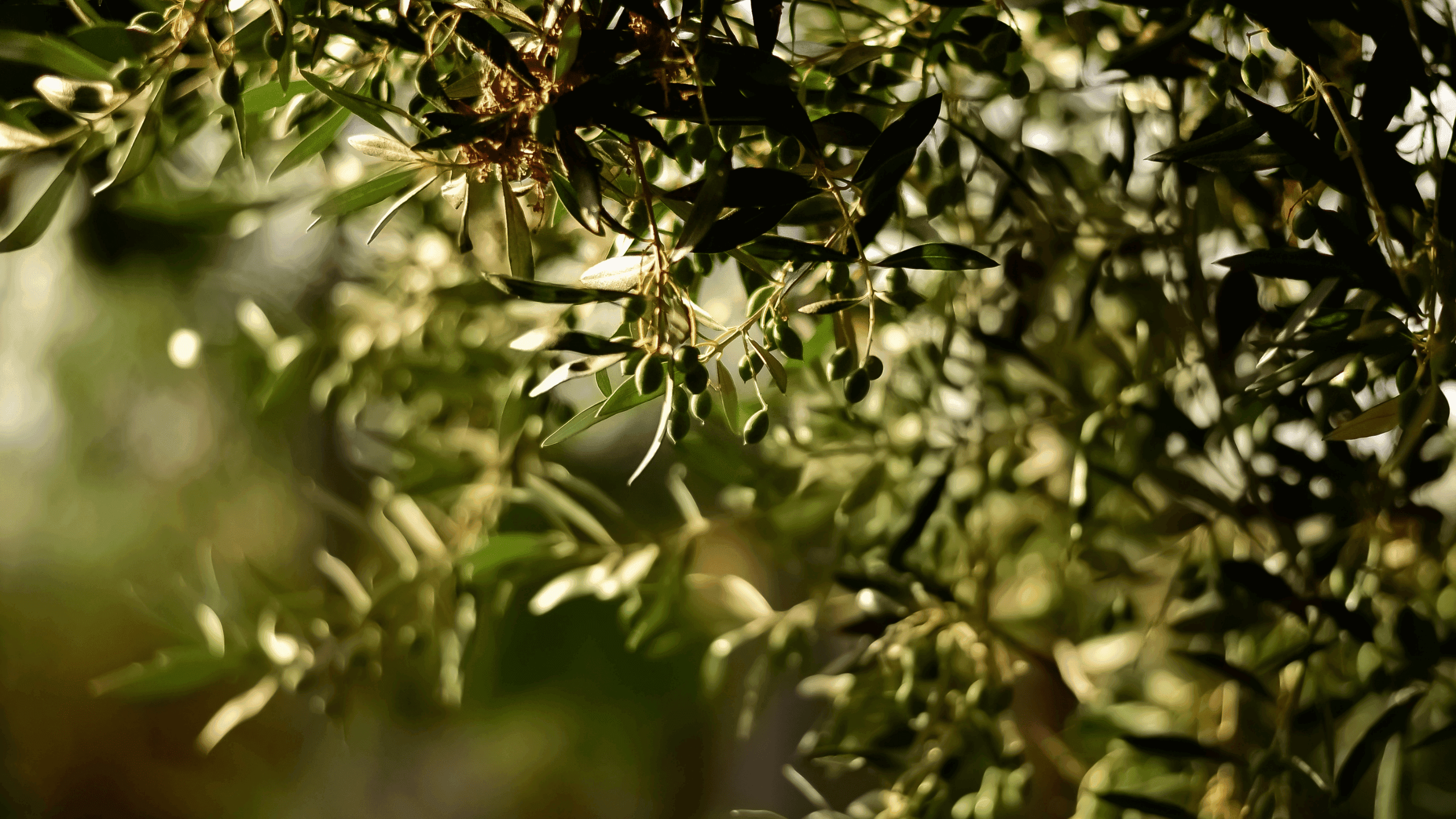
The olive (Olea europaea) is a symbol of peace, longevity, and the Mediterranean. Its oil is referred to as liquid gold, and its trees adorn almost every garden along the Adriatic coast. However, for thousands of citizens and tourists in Croatia, the late spring period does not only mean enjoying the sun but also the onset of serious respiratory issues. Olive allergy is one of the most widespread health problems in coastal areas, and due to its specific aggressiveness, its pollen grains cause problems even for those who have never suffered from pollen allergies before.
While in continental Croatia, the battle against birch occurs in April, and ragweed waits for August to make its move, the olive dominates the air in May and June. In the context of the term allergy Croatia, the olive represents a specific regional challenge that requires special attention, education, and regular monitoring tools such as the pollen map.
Olive Biology: Why is its Pollen such a Strong Allergen?
The olive belongs to the olive family (Oleaceae), which also includes ash and lilac. Although the olive is a plant that partially relies on insects for pollination, it also produces enormous amounts of pollen that are carried by the wind.
What makes olive pollen so problematic?
Extreme concentration: During flowering, a single olive tree can release millions of pollen grains. In the olive groves of Dalmatia and Istria, the concentration of pollen in the air often reaches levels that are several times above the tolerance threshold for allergy sufferers.
Small grain size: Olive pollen grains are very small, allowing them to penetrate deep into the respiratory tract, causing reactions not only in the nose but also in the bronchi.
Allergenic potential: Proteins in olive pollen (especially Ole e 1) are recognized as some of the strongest triggers of the immune response among all woody plants.
Symptoms: How to Recognize Olive Allergy?
Since the olive blooms in late spring, symptoms are often confused with summer colds or reactions to early grasses. The classic clinical picture includes:
Allergic rhinitis: Repeated sneezing, abundant watery nasal discharge, and a feeling of complete nasal congestion.
Severe eye irritation: Itching, redness, and intense tearing. With olives, conjunctivitis is often more pronounced than with other allergens.
Asthmatic attacks: Due to the tiny particles that penetrate deeply, patients often complain of chest tightness, dry cough, and difficulty breathing (so-called summer asthma).
Oral allergy syndrome: Tingling in the mouth or swelling of the lips after consuming certain fruits, which is a result of cross-reactivity.
Allergy Croatia: Geography and Flowering Season
In Croatia, olive pollen is most prevalent in the area from Istria to the southernmost part of Dalmatia.
Flowering time: The season usually begins in mid-May and lasts until mid-June. However, due to climate change and varying altitudes where olive groves are located, the season can extend to a full six weeks.
Wind influence: Maestral and bura play a key role. While maestral can bring fresh sea air, bura often whirls pollen from surrounding hills directly into urban centers like Split, Zadar, or Dubrovnik.
Land connection: Interestingly, residents of the interior (e.g., Zagreb) who are allergic to ash (which blooms earlier) often show pronounced symptoms upon arriving at the coast in June. This is due to the botanical relationship between ash and olive.
Pollen Map: Your Essential Companion at the Sea
If you are planning a vacation or living on the coast, the pollen map is an indispensable tool. It allows you to see the exact concentration of olive pollen in real-time.
Green zone: The concentration is low; ideal for outdoor activities and swimming.
Red zone: The concentration is critical; it is recommended to avoid staying near olive groves, keep windows closed, and maintain enhanced hygiene.
Helpful tip: On the islands, the concentration is often lower than in the coastal hinterland due to the influence of sea air, so the map can help in choosing a location to escape from symptoms.
Cross Allergies: What Does the Olive "Dislike" on Your Plate?
Cross-reactivity is the phenomenon when the immune system does not distinguish between pollen proteins and proteins in food. People allergic to olives should be cautious with:
Olives and olive oil: While processed oil rarely causes problems, raw olives can trigger a reaction.
Fruits: Apples, kiwis, and melons often cause a tingling sensation in the throat for these patients.
Vegetables: Celery and carrots are known cross allergens for the entire Oleaceae family.
The Future and Climate Change
Statistics in Croatia show that the olive flowering season is shifting earlier each year. Due to warmer winters, olive trees begin to bloom at a time when they would otherwise still be dormant. Additionally, increased CO2 in the air encourages plants to produce larger amounts of pollen, meaning that allergies may become even more aggressive in the future.
Conclusion: Enjoy the Mediterranean with Caution
Olive allergy does not have to ruin your spring and early summer. Although this invisible enemy is present in every corner of our coast, with the proper use of tools such as the pollen map, discipline in hygiene, and timely medical therapy, symptoms can be minimized.
Understanding the flowering process and recognizing the difference between a cold and an allergy are the first steps towards freedom of movement. While those from the mainland struggle with weeds like ragweed, you on the coast can stay one step ahead of the olive. This way, the liquid gold from its fruits will be the only thing you remember about this noble tree.
Track pollen levels in your city in real time
Check pollen map