Wormwood Allergy: Everything You Need to Know About the "Bitter" Cause of Summer Troubles
While most citizens in Croatia focus on fighting the invasive ragweed during August and September, another equally aggressive allergen blooms in its shadow, which is wormwood (Artemisia). This plant, known for its bitterness and wide application in folk medicine and beverage production, represents a source of months-long suffering for thousands of people.
In the context of the term allergy Croatia, wormwood occupies a high position on the priority list of the public health institute. Its ability to extend the pollen allergy season deep into autumn makes it an unavoidable topic for anyone suffering from respiratory issues. Understanding the biology of this plant, regularly monitoring tools such as the pollen map, and timely application of therapy are key steps to preserving quality of life during the hottest months.
What is Wormwood and Why is its Pollen So Potent?
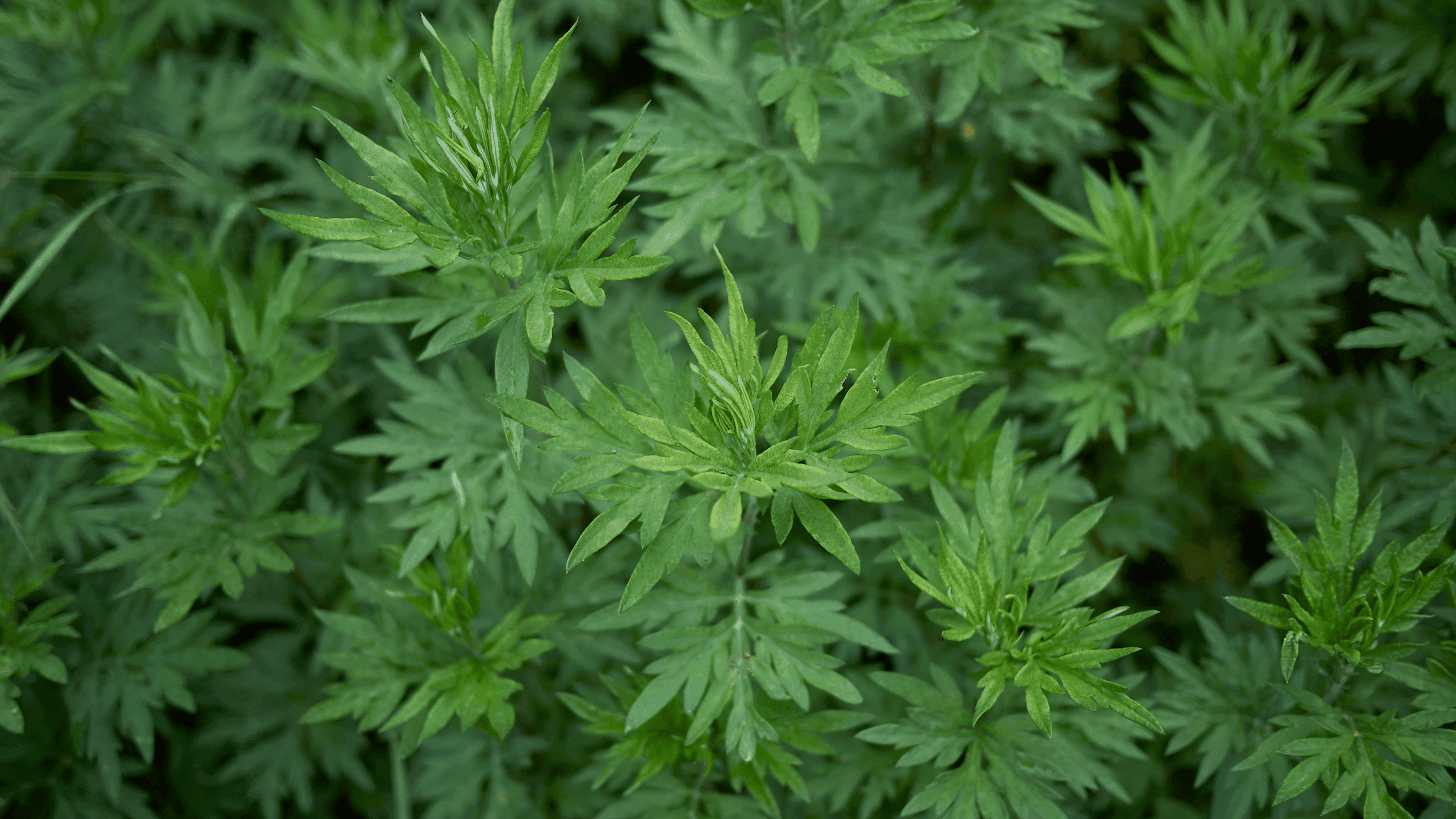
Wormwood is a genus of herbaceous plants from the daisy family (Asteraceae). In Croatia, the most widespread species are common wormwood (Artemisia vulgaris) and wild wormwood. Although it is often perceived as a medicinal plant, it is also one of the most powerful pollen producers among weeds.
Main reasons why wormwood causes severe allergies:
Mass production: Just one stalk of wormwood can release millions of tiny pollen grains into the air.
Wind reach: Pollen from wormwood is extremely light. Thanks to air currents, it can travel hundreds of kilometers, meaning that patients in urban centers can suffer from plants blooming in distant fields or along riverbanks.
Relation to ragweed: Since they belong to the same family, wormwood and ragweed often act synergistically. Individuals allergic to one plant frequently develop hypersensitivity to the other, creating an unbearable burden on the immune system during August.
Symptoms of Wormwood Allergy: How to Differentiate Them from a Cold?
The symptoms caused by wormwood allergies fall under classic allergic rhinitis, but due to the specific blooming time, they are often mistakenly attributed to summer viruses or air conditioning.
Upper respiratory tract: Frequent sneezing in bursts, abundant watery nasal discharge that is almost impossible to stop, and intense itching of the nose and palate.
Ocular symptoms: Redness, burning, and intense itching of the eyes. Swelling of the eyelids often occurs, making it difficult for patients to see and perform daily tasks.
Impact on lower respiratory tract: In individuals with a genetic predisposition, wormwood can trigger seasonal asthma, manifesting as a dry cough, tightness in the chest, and "wheezing" during exhalation.
Fatigue and insomnia: Due to nasal congestion and constant inflammation, sleep quality dramatically decreases, leading to daytime drowsiness and irritability.
Allergy Croatia: Where Does Wormwood Pose the Greatest Threat?
Due to its geographical diversity, Croatia is home to varying intensities of wormwood blooming.
Continental Croatia (Slavonia, Zagreb, Međimurje): This area has the highest burden. Wormwood thrives here on neglected agricultural land, along forest edges and roads. The season peaks here in mid-August.
Coastal and Dalmatia: On the Adriatic, wormwood is less common than in the north, but it is replaced by related weed species. However, the bora wind can bring pollen from the interior, causing sudden sneezing attacks in tourists and locals.
Urban areas: Interestingly, symptoms in cities are often more severe than in the countryside. This is due to the so-called "urban allergy" – pollen binds to smog particles and exhaust gases, becoming even more aggressive for human mucous membranes.
Pollen Map: Your Essential Guide Through the Season
For anyone suffering from allergies, the pollen map should be the first thing checked in the morning, right alongside the weather forecast. In Croatia, data on pollen concentration is systematically collected and published by the public health institute.
How does the pollen map help?
Traffic light system: The map uses colors (green, yellow, red) to indicate the level of danger. When wormwood is "in the red," maximum avoidance of outdoor activities is recommended.
Precise measurement: You can track exact concentrations for your city (e.g., Zagreb, Osijek, Split) and see whether the trend of blooming is rising or falling.
Travel planning: If you are planning a vacation or weekend trip, the map can reveal regions where the concentration of wormwood is currently low.
Cross-Reactive Allergies: What to Avoid in Your Diet?
One of the most dangerous aspects of wormwood allergy is the so-called celery-wormwood-spice syndrome. Your immune system may recognize similar proteins in food and pollen, leading to unpleasant reactions when eating.
Individuals allergic to wormwood should be cautious with the consumption of:
Celery and carrots (especially raw).
Spices: Parsley, coriander, anise, fennel, and pepper.
Sunflower oil and seeds.
Mustard.
Certain fruits: Apples and peaches.
Symptoms of cross-reactive allergies usually include burning in the mouth, throat itching, or lip swelling immediately after eating.
7 Key Steps to Protect Against Wormwood Pollen
Reducing contact with the allergen is the most effective way to control symptoms. Follow these rules:
1. Hygiene as the First Line of Defense
After every time spent outdoors, be sure to shower and wash your hair. Pollen from wormwood easily clings to hair and skin. If you lie down in bed without washing your hair, you will transfer pollen to your pillow and inhale it all night.
2. Close Windows
Keep windows closed, especially during the day when pollen concentration is highest (in the morning between 5 and 10 a.m.). Ventilate rooms late in the evening or right after rain.
3. Do Not Dry Laundry Outdoors
Wet bedding and clothes in the wind act as a perfect magnet for pollen grains. By drying laundry outdoors, you bring a high concentration of allergens directly into your living space.
4. Outdoor Barriers
Wear sunglasses to protect your eyes. If you work in the garden or stay in areas with high vegetation, wearing an FFP2 mask can significantly reduce the amount of inhaled pollen.
5. Nasal Rinsing
Using saline solution or seawater sprays several times a day helps mechanically remove pollen from the nasal mucosa, reducing the inflammatory response.
6. Protect Pets
Dogs and cats that go outside bring huge amounts of pollen on their fur. Regularly wipe them down with a damp cloth after every walk.
7. Use Air Conditioning
Use air conditioners with quality filters (HEPA filters are ideal). They not only cool the air but also purify it from microscopic pollen particles.
Treatment and Medical Assistance
When preventive measures are insufficient, medicine offers effective solutions to suppress allergy symptoms:
Antihistamines: Medications that block the action of histamine, available in tablet, drop, or spray form.
Intranasal corticosteroids: The best solution for chronic nasal congestion (always consult a doctor).
Immunotherapy: A long-term method that gradually acclimatizes the body to the allergen, which can permanently reduce or eliminate the allergy.
Conclusion: Knowledge is the Best Medicine
Wormwood allergy does not have to mean the end of your summer joys. Although this plant is an unavoidable part of our environment, proper information and the use of modern tools such as the pollen map allow you to stay one step ahead of symptoms.
Do not ignore your body, and if you feel burning in your eyes or frequent sneezing during August, visit an allergist. Timely therapy and discipline in implementing hygiene measures will ensure you can breathe freely and sleep peacefully, no matter how full the air is with invisible pollen grains.
Track pollen levels in your city in real time
Check pollen map