Lamb's Quarters Allergy: Everything You Need to Know About This Overlooked Summer Aggravator
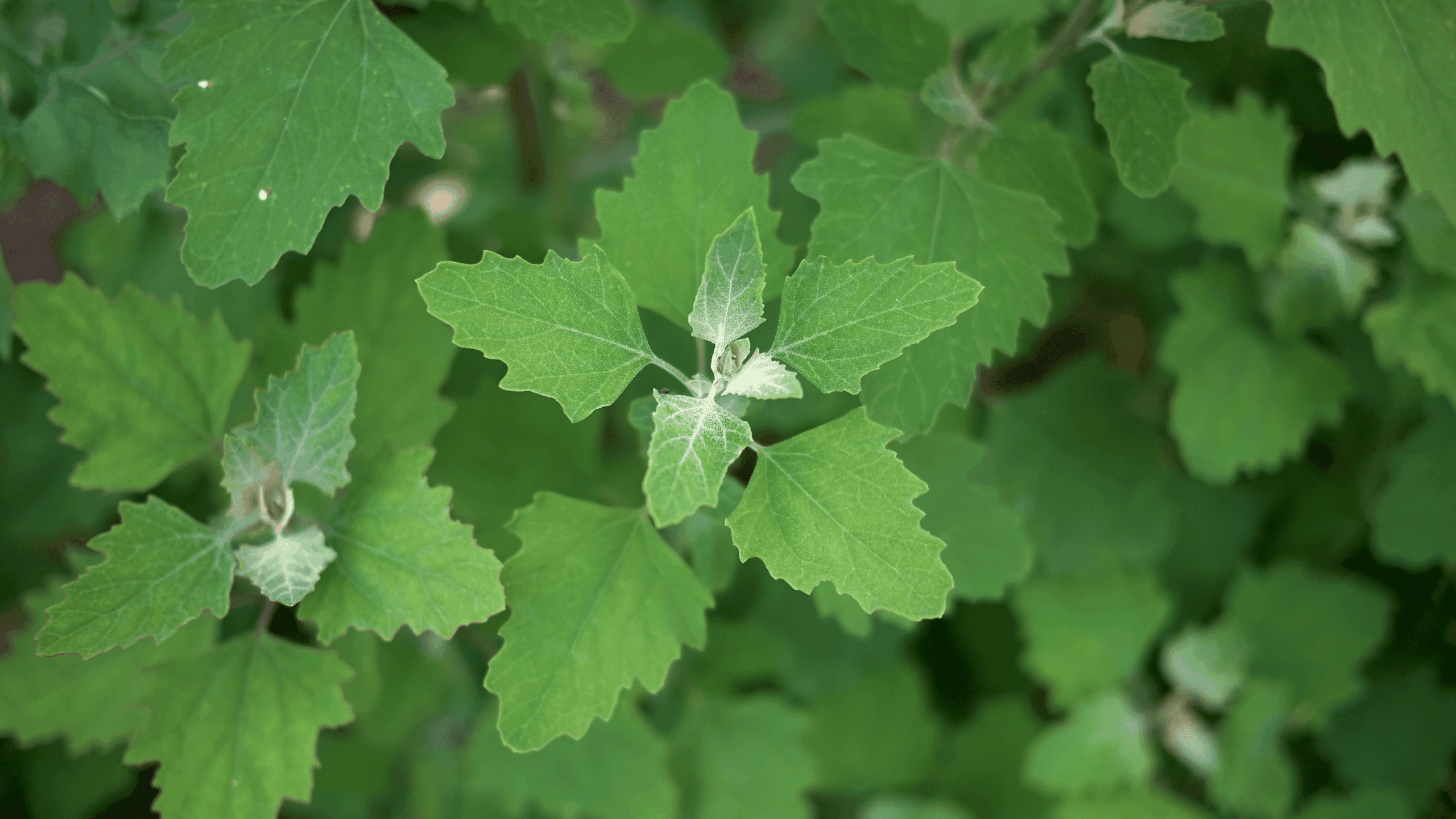
While most media coverage and warnings during late summer focus on the aggressive ragweed, another extremely potent allergen grows in its shadow: lamb's quarters (Chenopodium). This plant, commonly referred to as "pepperweed," is responsible for thousands of cases of hay fever across Croatia, and its symptoms are often mistakenly attributed to other plants or summer colds.
In the context of allergy Croatia, lamb's quarters pose a unique challenge because its flowering season lasts long, and its adaptability to urban environments makes it unavoidable in daily life. To take control of your health, it is crucial to understand its biology, learn how to read what the pollen map tells us, and apply effective protection strategies.
What is lamb's quarters and why is its pollen so dangerous?
Lamb's quarters is a genus of herbaceous plants that includes many species, the most well-known being white lamb's quarters (Chenopodium album). Although historically used as a substitute for spinach in some regions, its role in medicine today is primarily related to allergies.
The main reasons for its high allergenicity are:
Mass pollen production: Just one lamb's quarters stem can produce millions of pollen grains. Since lamb's quarters grows in dense colonies on neglected land, the concentration in the air can be extremely high.
Aerodynamic particles: Pollen from lamb's quarters is very fine and light, allowing it to travel dozens of kilometers with the wind. This means you can experience symptoms even if there are no visible plants in your immediate vicinity.
Long flowering season: Lamb's quarters begins to flower in July, peaking in August and September, perfectly overlapping with the flowering of ragweed and wormwood, creating a so-called "cumulative effect" on the immune system of patients.
Symptoms of lamb's quarters allergy: How to recognize them?
The symptoms caused by lamb's quarters allergies fall into the classic allergic rhinitis and conjunctivitis categories, but due to the intensity of flowering, reactions can be very exhausting.
Upper respiratory tract: Frequent sneezing (often in bursts of 5 to 10 times), profuse watery nasal discharge, itching of the nose and throat, and complete nasal congestion that prevents normal breathing.
Eye problems: Intense itching, redness, tearing, and a feeling of "sand" in the eyes. Photophobia (sensitivity to light) often occurs as well.
Respiratory disturbances: In individuals with sensitive bronchi, lamb's quarters can cause dry irritating cough, wheezing in the chest, and difficulty breathing, which are early signs of allergic asthma.
Fatigue and "brain fog": The constant struggle of the body with allergens drains energy, resulting in chronic fatigue, reduced concentration, and general irritability.
Allergy Croatia: Where is lamb's quarters most widespread?
Lamb's quarters is a cosmopolitan plant, meaning it can be found everywhere in Croatia, but its concentration varies by region:
Continental Croatia (Zagreb, Slavonia, Podravina): This area has the highest risk. Lamb's quarters thrives here on neglected agricultural land, along road edges, and on construction sites. Due to the fertile soil, the plants reach great heights and produce enormous amounts of pollen.
Coastal and Dalmatia: Although less prevalent than in the north, lamb's quarters grows in the hinterland and among neglected olive groves. A specific feature of the coast is the winds (such as the maestral or bora) that can bring pollen from the mainland directly to coastal towns.
Mountainous Croatia: Due to the cooler climate, the season here may start a bit later, but lamb's quarters is still present in all marginal areas of forests and settlements.
Pollen map: Your indispensable ally
In modern allergy management, the pollen map is the most important digital tool. In Croatia, data is collected by measurement stations of the Public Health Institute, and they are published daily.
How to properly use the pollen map?
Follow the colors: Green indicates low concentration, yellow moderate (sensitive individuals may feel disturbances), while red indicates high concentration when all allergy sufferers should avoid being outdoors.
Plan therapy: If you see that the "yellow zone" for weeds is approaching your city, it is a signal to start regularly taking your preventive therapy.
Adjust activities: Use data from the map to plan outdoor exercise or long walks on days when the load is minimal.
Cross allergies: The link between lamb's quarters and food
One of the most challenging aspects of lamb's quarters allergy is cross-reactivity with food (Oral Allergy Syndrome). Your immune system may "confuse" lamb's quarters proteins with proteins in some foods you consume daily.
Individuals allergic to lamb's quarters often experience tingling or swelling of the lips and throat after consumption of:
Spinach and Swiss chard (plants from the same family as lamb's quarters).
Beets.
Melons and watermelons.
Bananas.
Peanuts.
If you notice these symptoms during August and September, talk to your allergist about possible cross-reactions.
7 Key Steps to Protect Against Lamb's Quarters Pollen
Reducing exposure to the allergen is the quickest way to relief. Follow these rules:
1. Hygiene after returning home
After every time spent outdoors, be sure to shower and wash your hair. Pollen grains are sticky and easily cling to you. If you don't wash your hair before sleeping, you will transfer pollen to your pillow and inhale it all night.
2. Protecting the bedroom
Keep windows closed, especially during the day when pollen emission is highest. Ventilate rooms late in the evening or right after rain, when the air is mechanically "washed."
3. Do not dry laundry outside
Wet clothes and bedding in the wind act as the most effective magnets for pollen. By drying laundry outdoors, you bring high concentrations of allergens directly onto your skin and into your bed.
4. Barriers outdoors
Wear sunglasses that fit snugly against your face. They physically prevent contact between pollen and the eye mucosa. Also, on days of extremely high concentration, wearing an FFP2 mask can significantly reduce the amount of inhaled particles.
5. Rinsing the mucosa
Several times a day, rinse your nose with saline solution or sea water sprays. This mechanically removes accumulated pollen and reduces the inflammatory process.
6. Cleaning pets
If you have dogs or cats that go outside, they are pollen carriers. Regularly wipe their fur with a damp cloth after each walk to prevent them from bringing allergens into your home.
7. Managing indoor air
Invest in a quality air purifier with a HEPA filter. It can remove up to 99% of pollen particles from the room, which is crucial for peaceful sleep and the body's regeneration.
Treatment and symptom relief
When preventive measures are not enough, medicine offers effective solutions:
Antihistamines: New generation medications that do not cause drowsiness and block the body's reaction to pollen.
Intranasal corticosteroids: Sprays that act locally on the inflammation of the nasal mucosa and are considered the "gold standard" in treating allergic rhinitis.
Eye drops: To relieve conjunctivitis symptoms.
Immunotherapy: A long-term method that "teaches" the body to stop reacting to lamb's quarters pollen.
Conclusion: How to survive the lamb's quarters season?
Lamb's quarters allergy in Croatia does not have to mean the end of enjoying summer. Although this plant is an unavoidable part of our environment, a combination of awareness, regular monitoring of tools like the pollen map, and disciplined hygiene can minimize symptoms.
Do not ignore the first signs of itching in the eyes or a runny nose. Timely preparation and consultation with a doctor will allow you to breathe freely, even when lamb's quarters is in full bloom. Respiratory health is a prerequisite for a quality life, and understanding the nature that surrounds us is the first step toward that goal.
Track pollen levels in your city in real time
Check pollen map