Plantain Allergy: A Comprehensive Guide to Symptoms, Prevention, and Treatment
When spring and summer arrive, most people in Croatia eagerly await time spent in nature. However, for thousands of citizens, this period marks the beginning of a months-long battle with an invisible enemy. While ambrosia and early spring grasses are often in the public spotlight, plantain (Plantago) represents one of the most significant yet often underestimated causes of hay fever.
In the context of the topic allergy Croatia, plantain occupies a specific place as it is a plant that follows humans closely from city sidewalks to the most remote mountain meadows. Understanding how its pollen affects the immune system, regularly monitoring tools such as the pollen map, and applying the correct therapy are key to restoring quality of life during the flowering season.
What is Plantain and Why Does It Cause Allergies?
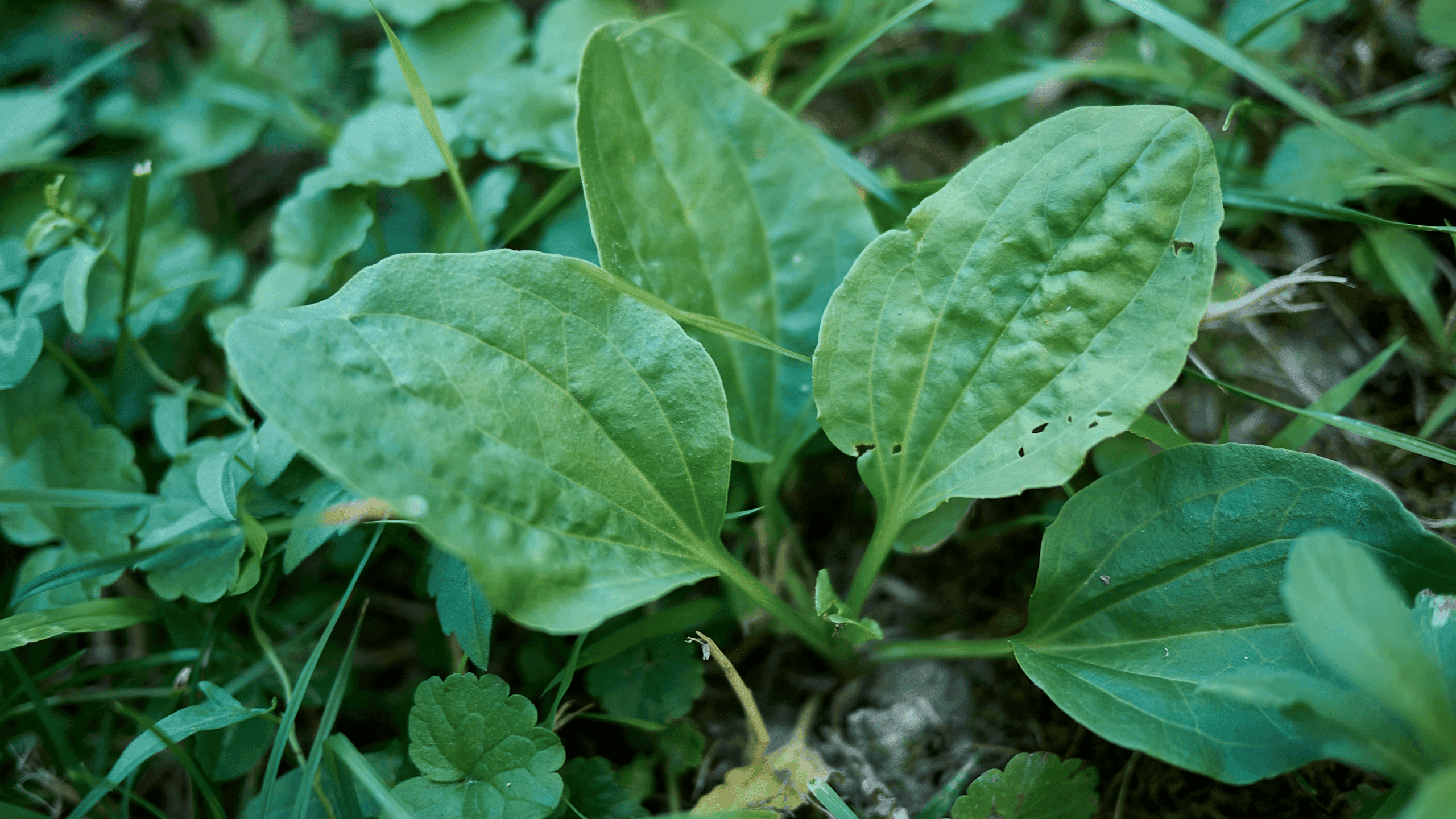
Plantain is a genus of herbaceous plants that includes more than 200 species, but in our regions, the most significant are broadleaf plantain (Plantago major) and narrowleaf plantain (Plantago lanceolata). Although valued in folk medicine for its healing properties, especially for coughs and wounds, its pollen is a potent allergen.
Why is Plantain So Problematic for Allergy Sufferers?
Extreme prevalence: Plantain grows everywhere – along roads, in lawns, parks, and agricultural areas. It is almost impossible to leave the house without passing by it.
Long flowering season: While many trees bloom for just a week or two, plantain releases pollen from May until late September. This means that sufferers endure symptoms for months.
Resilience: This plant tolerates trampling and drought excellently, meaning it thrives where other plants wilt, maintaining a high level of allergens in the air even during heat waves.
Symptoms of Plantain Allergy: How to Recognize Them?
The symptoms caused by allergies to plantain fall into the category of pollinosis (hay fever). Since the plantain season overlaps with the flowering of grasses and later ambrosia, many patients are not even aware that it is plantain that is the "tipping point" worsening their condition.
Upper respiratory tract: Frequent sneezing in bursts, profuse watery nasal discharge, itching of the nose and throat, and a feeling of congestion that makes sleeping difficult.
Eye problems: Redness of the conjunctiva, intense itching, burning, and increased tearing. The eyes may appear "glassy" and be swollen.
Respiratory issues: In individuals with sensitive lungs, pollen from plantain can cause a dry irritating cough, wheezing in the chest, and symptoms of seasonal asthma.
Fatigue and irritability: Due to the constant battle of the immune system, patients often feel exhausted, suffer from headaches, and have reduced concentration at work or school.
Allergy Croatia: Where is the Risk Highest?
Thanks to its diverse climate, Croatia is home to different flowering cycles of plantain:
Continental Croatia (Zagreb, Slavonia, Zagorje): Here, the concentration is highest in June and July. Large green areas and a wetter climate favor the growth of lush plantain clumps.
Coastal and Dalmatia: Due to a drier climate, plantain blooms earlier and for a shorter period, but the bora wind can bring pollen from the hinterland directly to coastal towns.
Mountainous Croatia (Lika and Gorski Kotar): Due to fresher air, flowering peaks here a bit later, providing patients only a temporary illusion of relief when changing environments.
Pollen Map: Your Strategic Ally
In a modern approach to treatment, patients must be informed. The Pollen Map is a digital tool that shows the level of allergens in the air across Croatia in real-time.
How to Use Data from the Map?
Green color: Pollen levels are low. Ideal time for outdoor activities and airing out the home.
Yellow color: Moderate concentration. Individuals with pronounced allergies should start using their preventive therapy.
Red color: High concentration. Staying indoors in air-conditioned spaces and avoiding walks in parks is recommended.
Follow the pollen forecast daily to adjust your routine and avoid the worst symptom outbreaks.
Cross-Reactive Allergies: The Connection Between Plantain and Diet
One of the fascinating yet unpleasant aspects of plantain allergy is cross-reactivity with food. Your immune system may "confuse" plantain proteins with proteins in certain foods, causing itching of the lips or swelling of the throat.
Individuals allergic to plantain should be cautious when consuming:
Melon and watermelon
Banana
Citrus (oranges, lemons)
Tomato
These symptoms most often occur when the concentration of pollen in the air is at its peak, as the body is already in a state of high alert.
7 Golden Rules for Protection Against Plantain Pollen
If you have been diagnosed with a plantain allergy, these seven steps can drastically reduce the intake of allergens into your body:
1. Hygiene is the First Line of Defense
After returning from outside, be sure to shower and wash your hair. Pollen grains are sticky and easily cling to the skin and hair. If you do not wash your hair before sleeping, you will transfer pollen to your pillow and inhale it all night.
2. Window Management
Keep windows closed during the day, especially between 5 and 10 AM and in the evening, when pollen concentrations are highest. Ventilate rooms briefly and only after rain, which mechanically washes the air.
3. Do Not Dry Laundry Outside
Wet bedding and clothing act as the most effective filters for pollen. By drying laundry on the balcony or in the yard, you are introducing a high concentration of allergens directly onto your skin and into your bedding.
4. Protective Barriers
Wear sunglasses that fit snugly against your face. They physically block pollen grains from entering your eyes. On days of extremely high concentrations, wearing a medical mask outside can significantly reduce the amount of inhaled pollen.
5. Pet Cleaning
If you have a dog or cat that goes outside, they bring in huge amounts of plantain pollen on their fur. Regularly wipe them down with a damp cloth after each walk.
6. Nasal Mucosa Rinsing
Using saline solution or seawater sprays several times a day mechanically removes accumulated pollen from the nasal mucosa and reduces the inflammatory response.
7. Air Conditioning and Purifiers
Quality air conditioners with regularly changed filters and home air purifiers with HEPA filters can remove up to 99% of pollen particles from your living space.
Treatment: What to Do When Prevention Fails?
Treatment of allergy in Croatia today is very advanced, and patients do not have to suffer.
Antihistamines: The most common medications that block the reaction to histamine. Available in the form of tablets, eye drops, and nasal sprays.
Corticosteroid sprays: Anti-inflammatory on the nasal mucosa and considered the most effective therapy for allergic rhinitis (with a doctor's recommendation).
Immunotherapy: The only method that can permanently cure allergies. By gradually exposing the body to small amounts of allergens, it "teaches" the body not to perceive plantain as a threat anymore.
Conclusion: Take Control of Your Health
A plantain allergy does not mean you have to spend the entire summer indoors. Although this plant is an unavoidable part of our landscape, with proper information, monitoring tools like the pollen map, and discipline in implementing hygiene measures, symptoms can be minimized.
Croatia offers excellent medical resources and data on pollen movement. Take advantage of them! Do not let tiny grains of plantain prevent you from enjoying sunny days. Be proactive, start therapy on time, and ensure your airways the freedom they deserve.
Track pollen levels in your city in real time
Check pollen map