Cat's Tail Allergy: Everything You Need to Know About the "Queen" of Pollen Grasses
As spring transitions into early summer, and meadows across Croatia are covered with tall stalks featuring characteristic cylindrical flower spikes, for many, this is not a scene of idyllic beauty, but rather a herald of a months-long battle. Cat's tail (Phleum pratense), commonly known as meadow cat's tail, is considered one of the most potent and significant allergens from the grass family. Although ambrosia has become synonymous with autumn woes, it is cat's tail that "rules" the air during the warmest months, turning sunny days into days of exhaustion.
The term allergy Croatia from May to July is almost always inextricably linked to this grass. Due to its high concentration of pollen grains and wide distribution, cat's tail has become the primary focus for all those who monitor tools like the pollen map. Understanding how this plant affects your body, recognizing symptoms, and proper protection are key to surviving the summer season without constant sneezing and watery eyes.
What is cat's tail and why is it so problematic?
Cat's tail is a perennial grass that grows in meadows, pastures, along roads, and even in urban parks. In Croatia, it is highly valued in agriculture as a premium forage grass, which explains its immense presence in the continental parts of the country.
The main reasons for its allergenicity are:
Massive pollen production: Just one plant can release millions of pollen grains.
Ease of dispersal: The pollen of cat's tail is extremely light and aerodynamic, allowing it to travel dozens of kilometers with the help of the wind.
Strong allergens (proteins): Cat's tail contains specific proteins (groups 1 and 5) that are among the most aggressive known triggers of the immune system in humans.
Due to these properties, even if there are no meadows in your immediate vicinity, the wind can carry pollen directly to your window or balcony.
Symptoms: How to distinguish allergy from summer cold?
The symptoms caused by cat's tail allergies are often more intense than those from other grasses. Since they occur during heat waves, many mistakenly attribute them to climate or a cold.
Allergic rhinitis: Characterized by strong and frequent sneezing (often in bursts), abundant watery nasal discharge, and a feeling of complete nasal congestion.
Conjunctivitis: The eyes are red, burning, itchy, and watery. There is often a sensation of "sand" in the eyes.
Itching of the palate and throat: A specific symptom that patients describe as an unbearable tickling deep in the throat.
Respiratory issues: In individuals with sensitive lungs, cat's tail can cause dry cough, wheezing in the chest, and shortness of breath.
Allergic fatigue: Due to the constant inflammatory response, the body expends vast amounts of energy, resulting in chronic exhaustion and lack of concentration.
Allergy Croatia: Where is the risk highest?
Thanks to its geographical diversity, Croatia is home to different flowering cycles of cat's tail:
Continental Croatia (Zagreb, Slavonia, Varaždin): This is the "epicenter" of the problem. Vast areas of meadows and agricultural land make the pollen concentration extremely high. The season peaks here in June.
Mountainous Croatia (Gorski kotar, Lika): Due to the cooler climate, the flowering of cat's tail is delayed by 10 to 14 days, which can be beneficial for allergy sufferers seeking refuge from the lowlands, but only for a short time.
Coastal and Dalmatia: Cat's tail is not an indigenous plant along the coast to the same extent as in the north, but it is found in the hinterland (Zagora, Istria). Winds like the bora can bring large amounts of pollen from the interior directly to coastal towns.
Pollen map: Your strategic tool for planning your day
If you suffer from allergies, the pollen map should be more important to you than the temperature forecast. In Croatia, pollen movement data is updated by public health experts, helping you make smart decisions:
Green color: The concentration is low; you can stay outside without major problems.
Yellow color: Moderate concentration; allergic individuals will feel symptoms; caution is recommended.
Red color: High concentration; it is recommended to avoid going outside and to close all windows.
It is important to note that the concentration of cat's tail pollen is highest in the early morning hours and during sunny, slightly windy days. Rain is the best ally as it "washes" the air, so the hours immediately after a downpour are ideal for recreation.
Cross allergies: The link between cat's tail and food
One of the most challenging aspects of this allergy is oral allergy syndrome (OAS). The immune system can "confuse" cat's tail proteins with proteins in certain foods.
Individuals allergic to cat's tail often experience burning or swelling of the lips and throat after consuming:
Melons and watermelons
Oranges and kiwis
Tomatoes
Peanuts
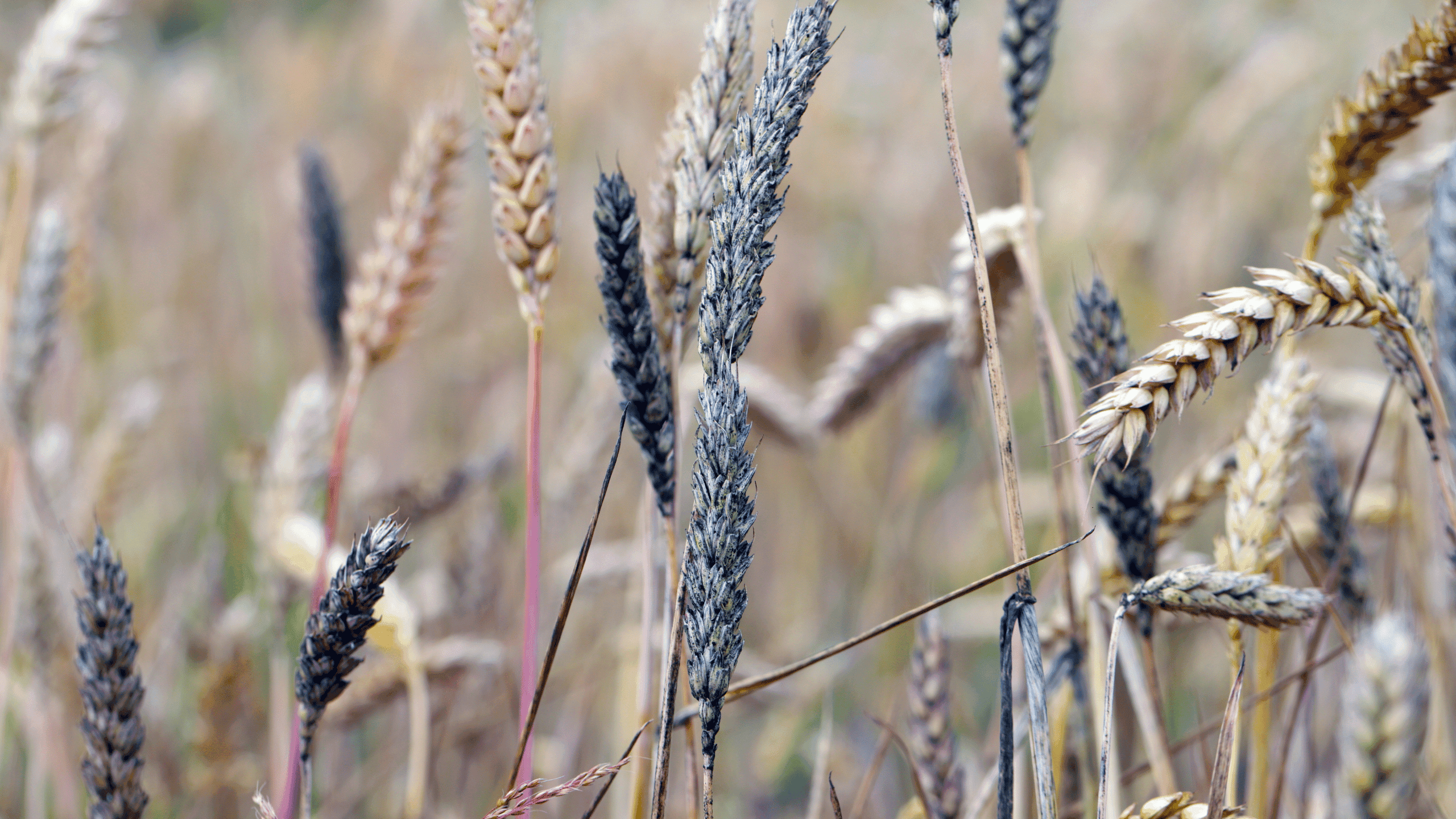
Wheat and grains
If you notice these symptoms while eating the mentioned foods during June, you likely have a cross-reaction. Cooking fruits and vegetables usually eliminates this problem.
5 steps to an easier summer
Although it is almost impossible to completely avoid pollen from grasses, these 5 steps can drastically reduce your suffering:
1. Adjusting hygiene habits
After returning from outside, be sure to wash your hair and change your clothes. Pollen grains from cat's tail are sticky and easily cling to the body. If you do not wash your hair, you will transfer pollen to your pillow during the night and inhale it for hours.
2. Protecting your home
Keep windows closed, especially during the day. Ventilate rooms late in the evening or right after it rains. Consider investing in an air purifier with a HEPA filter, which has been proven effective in trapping grass particles.
3. Barriers outdoors
When you are outside, wear sunglasses – they act as a physical shield for your eyes. Additionally, regularly rinsing your nasal mucosa with saline solution or seawater mechanically removes accumulated pollen and reduces inflammation.
4. Avoid mowing
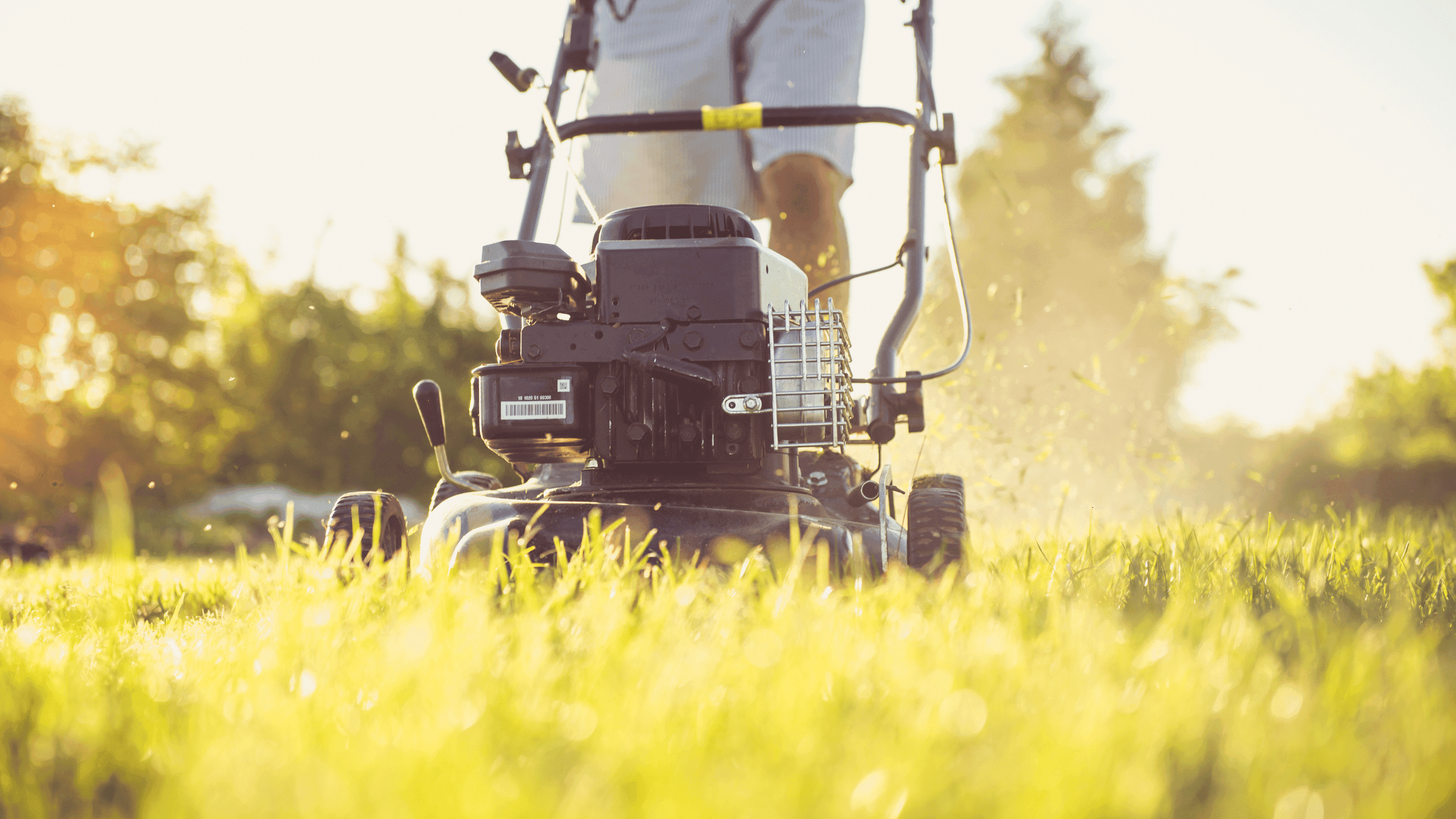
If you have your own yard, mowing the grass is the worst activity you can engage in. Mowing lifts clouds of pollen directly into your breathing zone. Ask someone else to mow the grass and stay indoors for at least an hour after the job is done.
5. Timely therapy
Do not wait for symptoms to become unbearable. New generation antihistamines (which do not cause drowsiness) work best if taken about 10 days before the pollen map shows high levels. In more severe cases, consult your doctor about intranasal corticosteroids.
Conclusion
Cat's tail allergy is a serious condition that requires awareness and discipline. Although this grass adorns our meadows and provides essential raw material for agriculture, for allergy sufferers, it remains the invisible enemy number one during the summer months.
The key to success lies in a combination of three factors: monitoring the tool pollen map, strict personal hygiene, and proper medical therapy. Do not let the most beautiful time of the year pass you by indoors or with a tissue in hand. With timely preparation and understanding of nature, you can enjoy summer despite the tall cat's tail spikes swaying in the wind.
Track pollen levels in your city in real time
Check pollen map