Grass Allergy: Everything You Need to Know About the Most Persistent Resident of Our Lawns
When the sneezing, watery eyes, and difficulty breathing season begins in late spring and early summer, most citizens in Croatia look for the culprit among the "grasses." However, within the vast family of grasses, one species stands out for its aggressiveness and omnipresence – ryegrass (Lolium). Although ambrosia is often mentioned as the most terrifying allergen, it is ryegrass that dominates the air during the most beautiful months of the year, turning outdoor activities into a real challenge.
In the context of the term allergy Croatia, ryegrass represents a specific problem because it is a grass that is widely used in agriculture as well as in the landscaping of urban green spaces. Whether you are walking in Zagreb's parks, Slavonian fields, or the Dalmatian hinterland, ryegrass pollen is almost impossible to avoid. Understanding this plant, tracking tools like the pollen map, and timely reactions are key to maintaining quality of life during the summer months.
What is ryegrass and why is it so widespread?
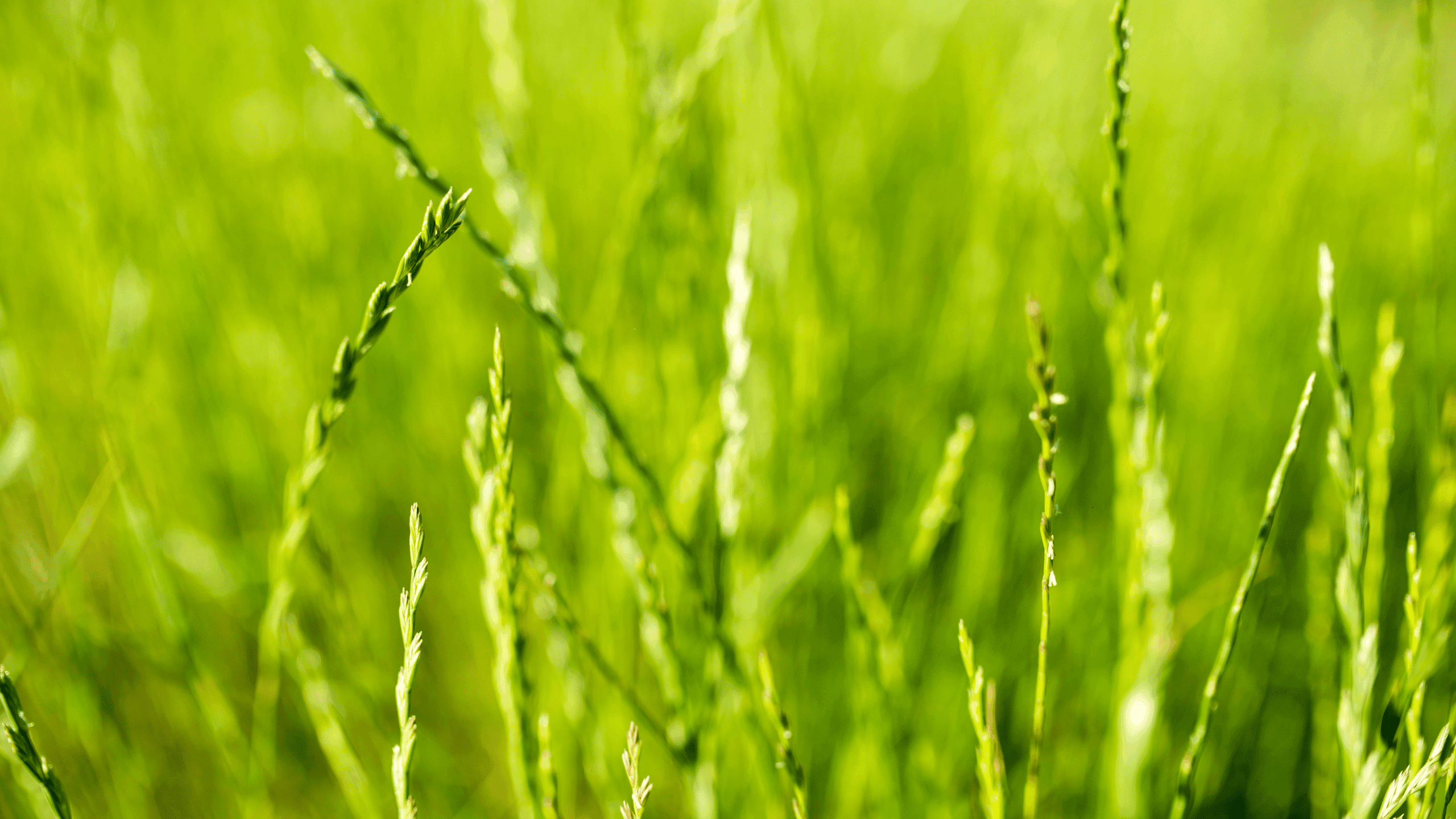
Ryegrass is a genus of fast-growing grasses that includes several species, of which the most significant in Croatia are perennial ryegrass (Lolium perenne) and Italian ryegrass (Lolium multiflorum). The reason we find it everywhere lies in its exceptional biological properties:
Resistance: It withstands trampling and grazing exceptionally well.
Agricultural importance: It is one of the highest quality forage grasses for livestock.
Aesthetics: Due to its bright green color and rapid growth, it is the basis of almost every lawn mixture in parks, sports fields, and gardens.
This popularity in urban planning makes it a primary enemy for allergy sufferers in cities. While some wild allergies are related to neglected fields, ryegrass awaits us right at our doorstep.
Symptoms of ryegrass allergy: More than just sneezing
The symptoms caused by ryegrass allergy are typical of hay fever (pollinosis), but due to the high concentration of proteins in its pollen, reactions can be very intense.
Allergic rhinitis: Characterized by watery nasal discharge, strong congestion, and sneezing attacks that occur immediately upon going outdoors.
Conjunctivitis: The eyes become red, burning, itchy, and watery. Swelling of the eyelids often occurs.
Throat irritation and cough: Pollen from ryegrass can cause a "scratchy" feeling in the throat and a dry, irritating cough.
Asthma exacerbation: In individuals with sensitive airways, high concentrations of ryegrass in the air can lead to chest tightness and difficulty breathing.
Fatigue and insomnia: Due to difficulty breathing through the nose, patients often sleep poorly, resulting in chronic fatigue.
Allergy Croatia: Where and when does ryegrass pose the greatest threat?
Thanks to its moderate climate, Croatia is an ideal habitat for ryegrass. Its flowering season varies depending on the region:
Continental Croatia (Zagreb, Slavonia, Zagorje): The season usually begins in May and peaks in June. Since meadows and lawns in these areas are often mowed, ryegrass continuously attempts to bloom, prolonging the presence of pollen in the air until mid-July.
Coastal region and Istria: Due to the warmer climate, flowering can begin earlier, as early as April. Although the sea air helps to clear the air, the coastal hinterland is rich in pastures where ryegrass dominates.
Mountainous Croatia: Here, the season is delayed by about ten days, but the intensity of pollen is extremely high due to the untouched nature.
Pollen map: An indispensable tool for daily planning
If you suffer from allergy, your best friend during the summer months should be the pollen map. In Croatia, this data is updated by the Public Health Institute "Dr. Andrija Štampar" and is available through mobile apps and websites.
Why is the pollen map important?
Daily forecast: It tells you whether the pollen level of grasses (including ryegrass) is low, moderate, or high.
Activity planning: If the forecast is "red," it is best to avoid outdoor activities, mowing grass, or recreation in the morning hours.
Timely therapy: Doctors recommend starting antihistamines a few days before the pollen map shows critical levels, so the body is prepared.
Cross allergies: The link between ryegrass and food
Many patients do not know that ryegrass allergy can also mean sensitivity to certain foods. This is called oral allergy syndrome (OAS). Since the proteins in ryegrass pollen are similar to those in some fruits and vegetables, you may experience a tingling sensation in your mouth or swelling of the lips when eating:
Melons and watermelons
Tomatoes
Oranges
Peanuts and legumes
Wheat and other grains
If you notice these symptoms during June and July, it is likely a cross-reaction of your immune system.
How to survive the ryegrass season: Practical tips for protection
Although it is impossible to completely escape from a plant that grows on every lawn, certain habits can drastically reduce pollen intake into the body:
1. Avoid mowing and freshly mowed grass
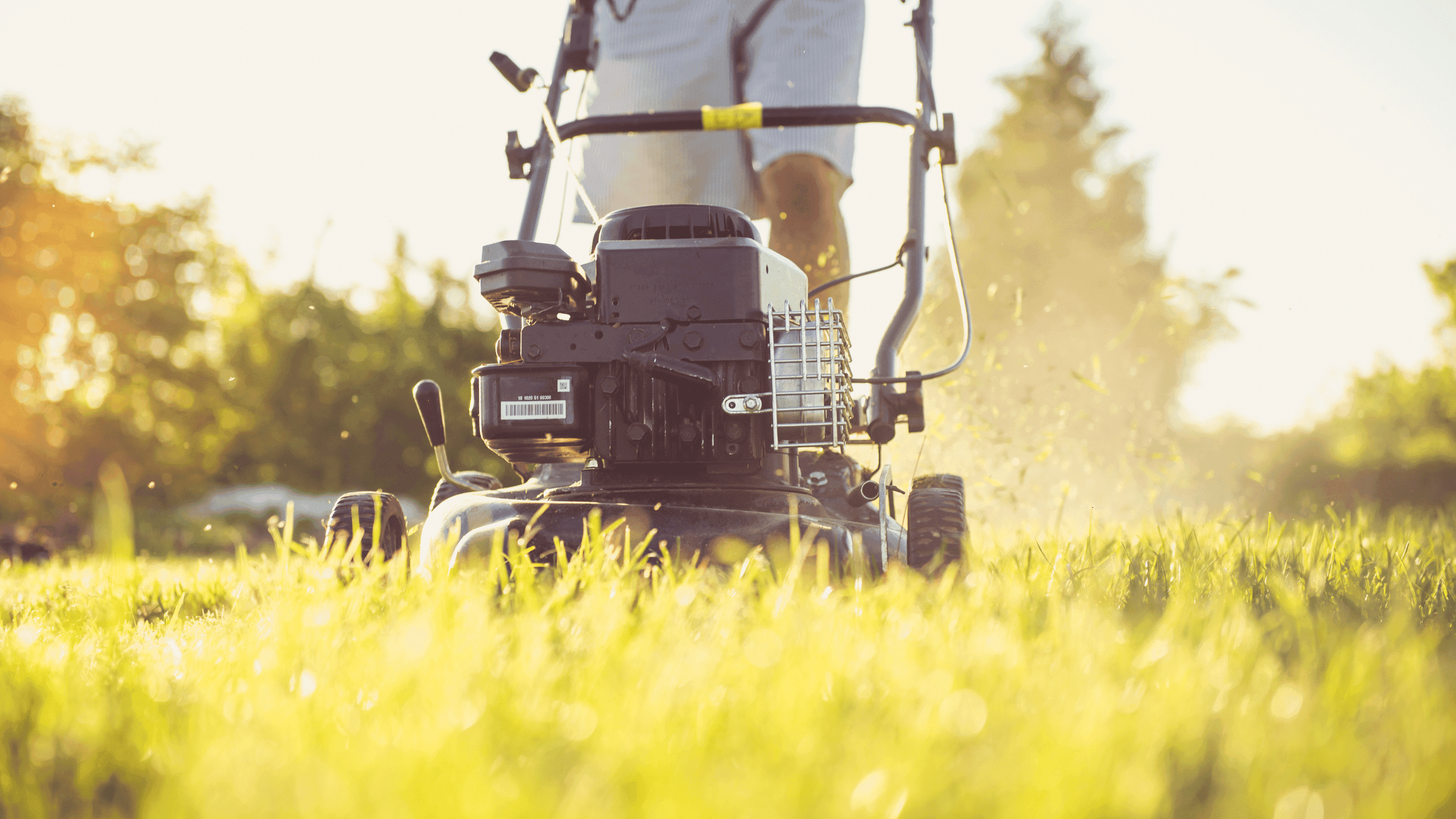
While we love the smell of freshly cut grass, for allergy sufferers, it is a warning sign. Mowing releases huge amounts of pollen and ryegrass particles into the air. If you are allergic, let someone else do the mowing and keep the windows closed while the job is being done.
2. Hygiene after entering the home
Pollen grains are sticky and easily cling to hair, skin, and clothing.
Shower in the evening: Be sure to rinse your hair before sleeping to avoid transferring pollen to your pillow.
Change immediately: Do not leave the clothes you wore outside in the bedroom.
3. Air management in the apartment
Keep windows closed during the day, especially between 5 and 10 AM when pollen emission is highest. Use air conditioners with clean filters and, if possible, air purifiers with HEPA filters.
4. Protect pets
Your dogs and cats running through the grass bring huge amounts of ryegrass into your home. After walks, wipe them down with a damp cloth.
The future of allergies in Croatia
Due to climate change, summers in Croatia are becoming warmer and drier, which favors longer retention of pollen in the air. Additionally, increased levels of CO2 encourage plants like ryegrass to produce even more pollen. Therefore, in the future, monitoring tools like the pollen map will become even more important for public health preservation.
Conclusion: Knowledge is the best defense
Ryegrass allergy is not something to be ignored. It is a chronic condition that can lead to more serious problems like asthma if not treated properly. While ryegrass provides us with beautiful green lawns, for many it represents an invisible barrier.
Stay informed about the conditions in your environment, use the available data provided by the pollen map, maintain hygiene, and consult your doctor about the best therapy. With a little discipline and the right medical help, even the ryegrass season in Croatia can pass with minimal discomfort, allowing you to still enjoy the joys of summer.
Track pollen levels in your city in real time
Check pollen map