Nettle Allergy: Everything You Need to Know About the Invisible Cause of Summer Troubles
When we think of nettle (Urtica dioica), the first association is usually the unpleasant burning sensation on the skin after accidental contact. However, for thousands of people in Croatia, this plant poses a much bigger problem than a temporary rash. Nettle pollen allergy is one of the most common, yet often misdiagnosed allergies in our region. While ambrosia is known for its aggressive effects in autumn, nettle "operates" quietly, releasing huge amounts of pollen throughout the summer.
In the context of the topic allergy Croatia, the nettle family (Urticaceae) occupies a special place. Due to the specific climate and biodiversity, this plant blooms long and intensely, making outdoor activities challenging for sensitive individuals. Understanding how this plant affects health, monitoring tools such as the pollen map, and implementing preventive measures are key to preserving quality of life during the sunny months.
Biology of Nettle: Why is its Pollen So Problematic?
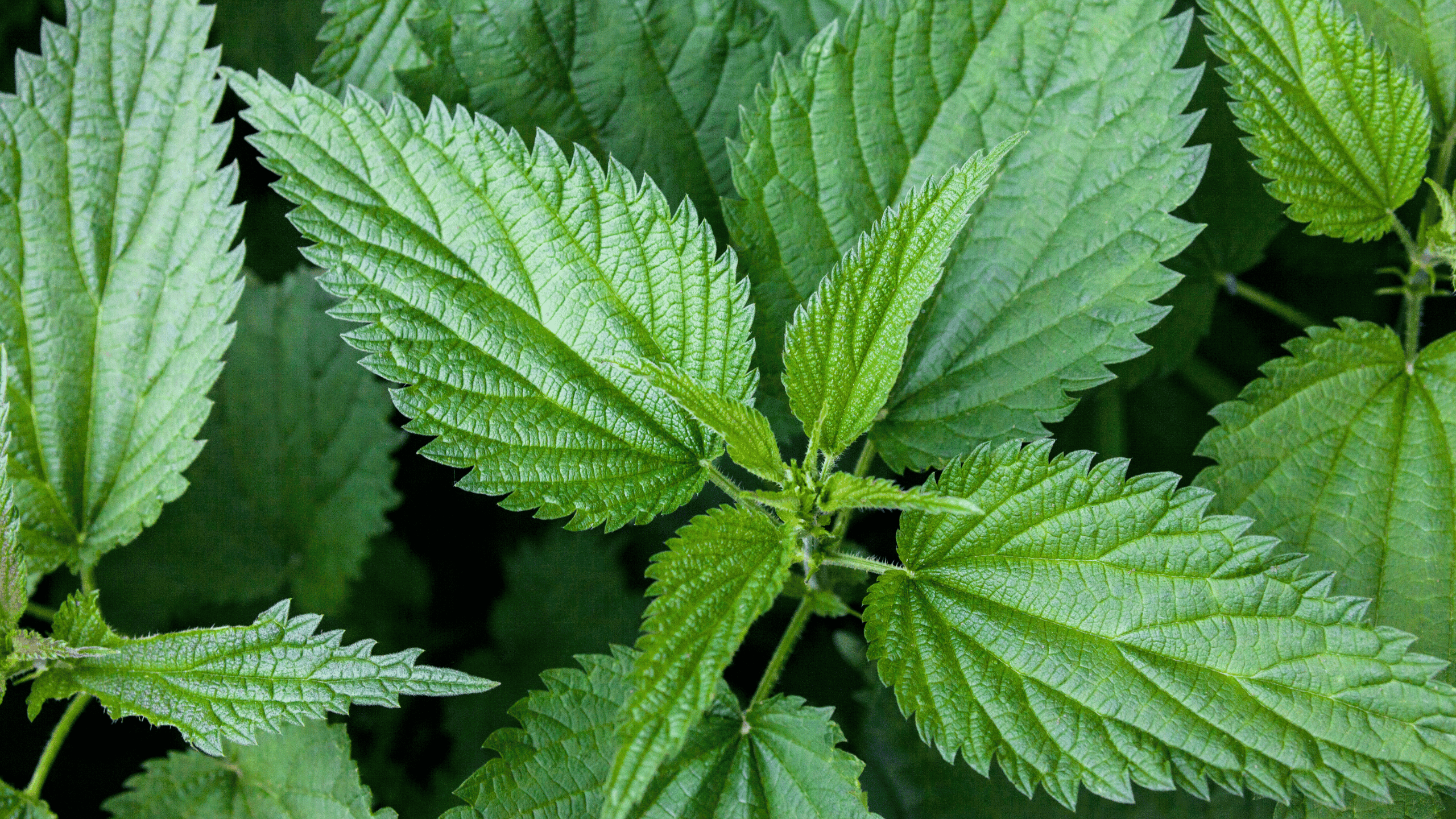
Nettle is a wild, perennial plant that follows humans wherever they go. We find it in neglected gardens, along forest edges, by riverbanks, and even in the middle of city parks. However, what makes it dangerous for allergy sufferers is not its leaves, but its small, inconspicuous flowers.
Main characteristics of nettle pollen:
Massive production: One nettle stem can produce millions of pollen grains. Since nettle grows in dense colonies, the concentration of pollen in the air can reach extreme levels.
Small particles: Nettle pollen grains are among the smallest in the plant world. Due to their low mass, the wind easily carries them kilometers away, and their small structure allows them to penetrate deep into the respiratory tract.
Long-lasting season: While trees bloom for only a few weeks, nettle in Croatia releases pollen from May until the end of September, overlapping with grasses and ambrosia.
Symptoms of Nettle Allergy: More Than Just a Common Cold
Allergies to nettle pollen manifest through symptoms that can vary from mild to very severe, affecting daily functioning, sleep, and productivity.
Allergic rhinitis: This is the most common symptom. It is characterized by persistent sneezing, abundant watery nasal discharge, and a feeling of nasal congestion.
Conjunctivitis: The eyes become red, burning, itchy, and tear excessively. There is often a feeling of "sand" in the eyes, and the eyelids may be swollen after waking up in the morning.
Throat irritation and cough: Due to the small particles irritating the mucous membranes, patients often feel a "scratchy" throat and suffer from a dry, irritating cough.
Asthma exacerbation: In individuals already suffering from asthma, high concentrations of nettle pollen can cause chest tightness and difficulty breathing.
Skin changes: Although rarely just from pollen, in extremely sensitive individuals, there may be an exacerbation of atopic dermatitis or the appearance of urticaria (hives) even without direct contact with the plant.
Allergy Croatia: Where is the Concentration Highest?
Due to its geographical location, Croatia is home to various species from the nettle family.
Continental Croatia
In the northern and eastern regions (Zagreb, Slavonia, Zagorje), common nettle (Urtica dioica) dominates. Here, the concentration of pollen is highest during June and July. Thanks to fertile soil and moisture along rivers like Sava and Drava, nettle grows abundantly.
Coastal Region and Dalmatia
In the coastal area, we encounter a more dangerous relative, wall pellitory (Parietaria judaica), which also belongs to the nettle family. It grows from walls, cracks in stone, and near old churches. Its pollen is considered one of the strongest allergens in the Mediterranean, with a flowering season lasting almost the entire year, peaking in spring and early autumn.
Pollen Map: An Essential Tool for Every Allergy Sufferer
Nowadays, patients no longer have to rely on guesswork. The Pollen Map is the most reliable way to plan activities. In Croatia, this data is updated by experts from the Public Health Institute, using measurement stations in all major cities.
How does the pollen map help?
Daily forecast: Find out if the pollen level is low (green), moderate (yellow), or high (red).
Identification of allergens: The map accurately separates pollen from trees, grasses, and weeds (including nettle).
Timely therapy: Doctors recommend starting antihistamines as soon as the first moderate concentrations appear on the map to prevent the development of severe inflammation.
Cross Allergies: What to Avoid in Your Diet?
An interesting and often overlooked aspect is cross-reactions. The immune system can mistake proteins in nettle pollen for proteins in certain foods. If you are allergic to nettle, be cautious when consuming:
Nettle tea: Logically, but many forget that consuming the plant in tea form can trigger a systemic reaction.
Mulberry: A scientifically proven cross-link exists between nettle pollen and mulberry fruit.
Certain spices: In some cases, sensitivity to parsley or celery may occur during the peak of the flowering season.
How to Reduce Exposure: 7 Practical Tips
Completely avoiding pollen is impossible, but reducing the "burden" on the body is very achievable with these habits:
1. Monitor Pollen Levels
Make the Pollen Map your homepage in your browser. Avoid being outdoors when nettle levels are "in the red".
2. Hygiene After Entering the Home
When you come inside, your hair and clothes are full of pollen. Be sure to shower, wash your hair, and change your clothes. Do not leave "outside" clothes in the bedroom.
3. Protect Your Bedroom
Keep windows closed, especially in the morning (between 5 and 10 AM) when pollen emission is highest. Ventilate rooms late in the evening or right after it rains, when the air is "washed".
4. Do Not Dry Laundry Outside
Wet fabric in the wind acts as a filter that collects all pollen from the air. By drying bed linens outside, you bring allergens directly into your bed.
5. Use Barriers
Wear sunglasses to reduce contact between pollen and your eyes. Use air conditioning in your car and regularly change pollen filters (HEPA filters are the best choice).
6. Nasal Irrigation
Regularly rinsing the nasal mucosa with saline or seawater mechanically removes accumulated pollen and reduces inflammatory reactions.
7. Maintain Your Environment
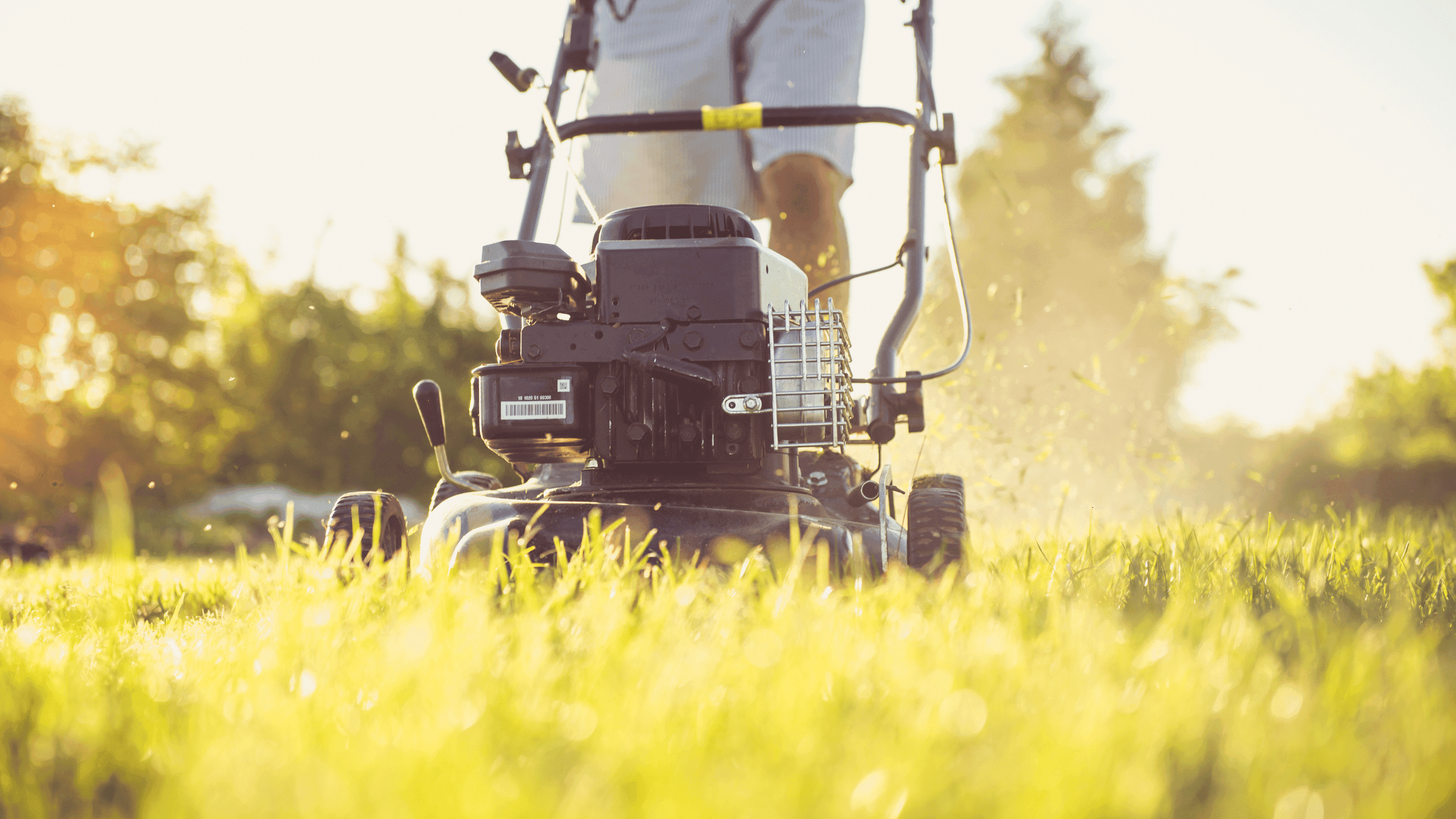
If you have a garden, regularly mow the grass and remove nettle before it blooms. However, leave the mowing to someone who is not allergic, as this process raises huge amounts of dust and pollen into the air.
Treatment: What Does Medicine Offer?
When preventive measures are not enough, it is necessary to resort to therapy. In Croatia, modern medications are available that effectively suppress allergies:
Antihistamines: New generation tablets that do not cause drowsiness.
Intranasal corticosteroids: Sprays that act directly on the inflammation of the nasal mucosa.
Eye drops: To relieve symptoms of conjunctivitis.
Immunotherapy: The only method that acts on the cause of the allergy, gradually acclimatizing the body to pollen.
Conclusion
Nettle allergy in Croatia is a serious health problem that should not go unnoticed. Although this plant is useful in agriculture and folk medicine, its invisible pollen represents a source of great discomfort for many.
The key to successful management lies in awareness. Regularly monitoring tools such as the Pollen Map, maintaining strict hygiene, and timely medical assistance will allow you to breathe freely and enjoy the summer. Do not let tiny pollen grains confine you to your home; take control of your allergy today.
Track pollen levels in your city in real time
Check pollen map