Allergy to tufted hairgrass: Everything you need to know about the invisible cause of summer troubles
When temperatures rise and nature in Croatia shines in its full glory, for many it does not only mean going to the sea or outings, but the beginning of a grueling sneezing season. Although in popular belief ambrosia is synonymous with the most severe symptoms, another plant holds the "throne" during late spring and early summer. This is tufted hairgrass (Dactylis glomerata).
In the context of the topic allergy Croatia, tufted hairgrass occupies a critical place as it is one of the most widespread meadow grasses. Its pollen is extremely potent, and the flowering season is long, making it the main culprit for thousands of cases of hay fever from April to July. To successfully combat this allergen, it is crucial to understand its biology, monitor tools such as the pollen map, and apply proven protection strategies.
What is tufted hairgrass and why is it everywhere?
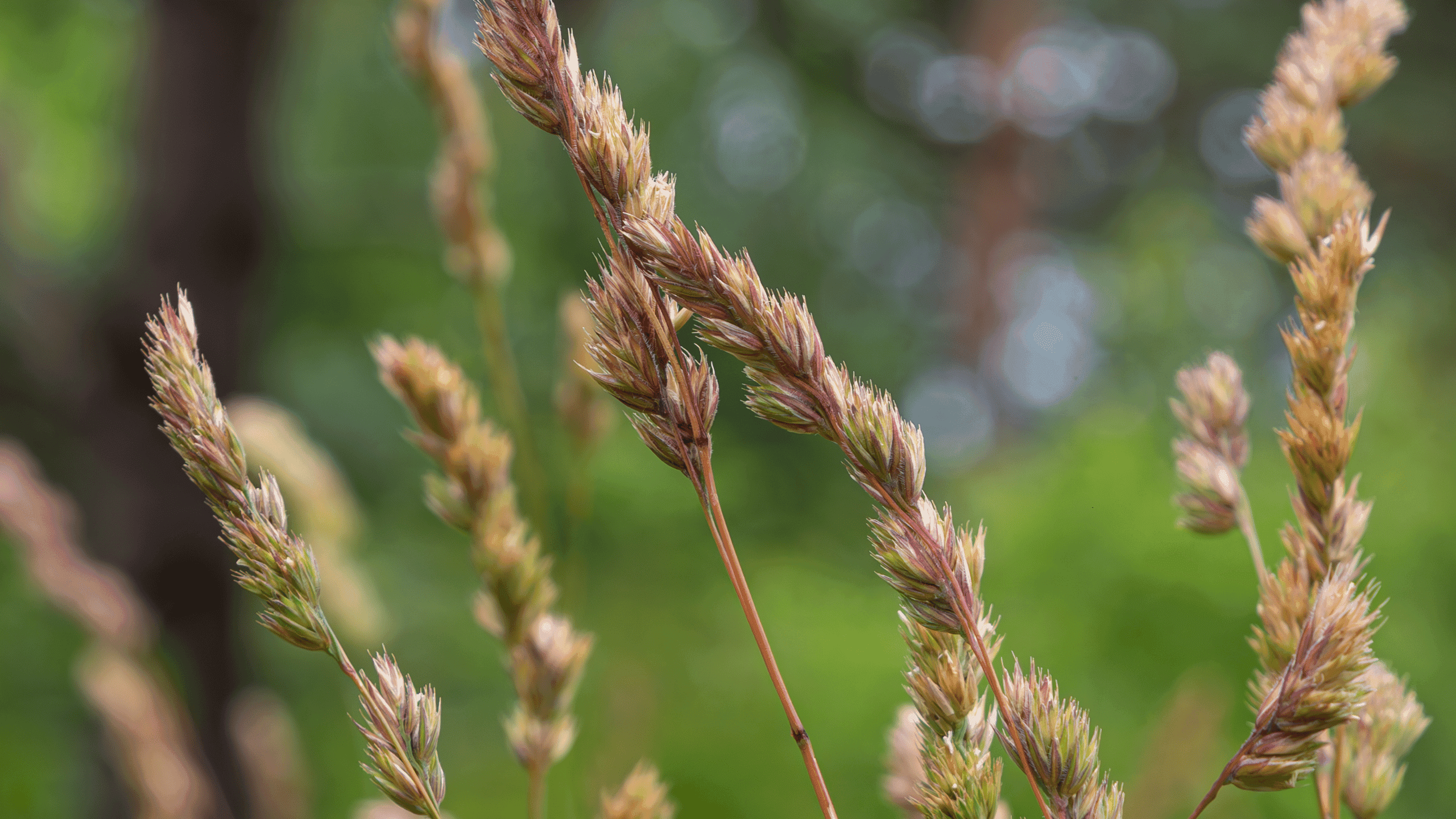
Tufted hairgrass is a robust, perennial grass that grows in dense tufts. It is recognizable by its specific inflorescences that look like compressed "tufts" at the top of the stem, which is how it got its name.
Why is it so important for allergy sufferers in Croatia?
Extreme adaptability: It grows everywhere, from neglected urban plots and parks to rich pastures in Slavonia and karst fields in Dalmatia.
Economic significance: As an excellent forage grass, it is mass-sown on agricultural land throughout the interior, which means it is an almost inexhaustible source of pollen.
High aerodynamics: The pollen grains of tufted hairgrass are light and designed to be carried by the wind over long distances. Even if you live in a strictly concrete city center, the wind will bring this allergen directly into your home.
Symptoms of tufted hairgrass allergy: How to recognize them?
Allergy to this type of grass manifests as classic pollenosis, but due to the high proportion of specific proteins in the pollen, reactions can be very intense and long-lasting.
Upper respiratory tract: Frequent sneezing (often in bursts of 5-10 times in a row), abundant watery nasal discharge, and a feeling of pressure in the sinuses.
Eye problems: Intense itching of the conjunctiva, tearing, redness, and swelling of the eyelids. This is often more pronounced with tufted hairgrass than with tree allergies.
Lower respiratory tract: In individuals who already have a predisposition to asthma, exposure to tufted hairgrass can trigger chest tightness, dry cough, and difficulty breathing.
Skin changes: Direct contact with the plant (e.g., during picnics or walking through tall grass) can cause contact dermatitis or urticaria (hives) on the legs and arms.
Allergy Croatia: Geographical distribution and flowering calendar
In Croatia, tufted hairgrass dictates the pace of life for many patients. Its presence varies by region, which is important to know when planning travel or outdoor activities.
Continental region (Northern Croatia and Slavonia): Here, the concentration is highest. The season usually starts in the second half of April, peaks in May and June, and gradually calms down in July.
Coastal region (Istria and Dalmatia): Due to the warmer climate, flowering can start earlier, as early as March, but the intensity is often lower than in the north due to less area under meadows, except in the hinterland (Zagora).
Mountainous Croatia: Lika and Gorski kotar provide a short-lived refuge for patients as flowering is delayed by two to three weeks, but once it starts, the concentration can be very high due to the pristine nature.
Pollen map: Your essential guide through the season
For anyone suffering from allergy, the pollen map is the most important digital tool. It is a system that collects data from measuring stations across Croatia (under the guidance of the Public Health Institute) and gives us insight into the current state of the air.
How to use the pollen map for tufted hairgrass?
Follow the traffic light: The map uses colors (green, yellow, red). When grasses are in the "red," it is a sign that tufted hairgrass is releasing maximum pollen.
Plan ventilation: Check the map before opening windows. It is best to air rooms in the evening or after rain.
Adjust medications: If you see that the "yellow" zone is approaching your city, it is time to start taking preventive antihistamines (always in consultation with a doctor).
Cross allergies and diet
An interesting phenomenon in patients sensitive to tufted hairgrass is cross-reactivity to food. Your immune system may confuse the proteins in the pollen with those in certain fruits and vegetables.
If you notice a tingling in your mouth or throat while eating the following foods, you are likely suffering from oral allergy syndrome:
Tomato and potato
Melon, watermelon, and kiwi
Orange
Peanuts and grains
These symptoms are usually most pronounced during the peak of the grass flowering season when your system is already under strain.
5 key strategies for protection against tufted hairgrass pollen
Although it is impossible to completely escape from grasses, these tips can drastically reduce the amount of allergens entering your body.
1. Avoid critical times of the day
The concentration of tufted hairgrass pollen is highest in the morning hours (between 5 and 10 AM) and during warm, windy days. If you plan to exercise or take a long walk, do so late in the afternoon or in the evening.
2. Hygiene as a shield
After every time spent outdoors, be sure to wash your hair and change your clothes. Pollen grains from grasses are very "sticky" and can remain in your hair for hours. If you do not wash them out before sleeping, you will transfer them to your pillow and inhale them all night, leading to waking up with swollen eyes.
3. Barriers for home and car
In the car: Keep windows closed and regularly change cabin filters (preferably those with activated carbon).
At home: Invest in an air purifier with a HEPA filter. It can remove up to 99% of pollen particles from the room you are in.
4. Do not dry laundry outside
Many in Croatia love to air dry their bedding, but during May and June, this is a big mistake. Wet laundry acts as a "catcher" of pollen. When you bring that bedding into the bedroom, you are bringing a high concentration of allergens directly into your bed.
5. Mowing grass - leave it to others
If you have a garden, tufted hairgrass will surely try to grow in it. Avoid mowing as this process lifts pollen and dust directly into your nose. If you must mow, use an FFP2 mask.
Conclusion: How to take control?
Allergy to tufted hairgrass should not be a reason to close yourself in the house and wait for autumn. With the right information, monitoring tools like the pollen map, and discipline in implementing protective measures, you can significantly reduce symptoms.
Croatia is beautiful in spring and summer, and understanding invisible processes like grass flowering allows you to adapt to nature instead of fighting against it. Visit your allergist, prepare therapy in time, and use modern air purification technology – your eyes and nose will thank you.
Track pollen levels in your city in real time
Check pollen map