Allergy to Sorrel: Everything You Need to Know About This Hidden Trigger of Hay Fever
While most media coverage focuses on aggressive ragweed or early spring grasses, one plant often remains "under the radar," even though it spoils the enjoyment of nature for thousands of citizens in Croatia. This plant is sorrel (Rumex), which is used in our regions for culinary purposes, but whose pollen is a potent allergen that is not easy to deal with.
In the context of the topic allergy Croatia, sorrel presents a specific challenge. Its flowering season perfectly overlaps with the most popular times for outings and outdoor activities, and since it grows in almost every meadow, avoiding contact with it requires good information. Understanding its biology, regularly monitoring tools like pollen map, and applying preventive measures are key steps for every allergy sufferer.
What is sorrel and where does it grow?
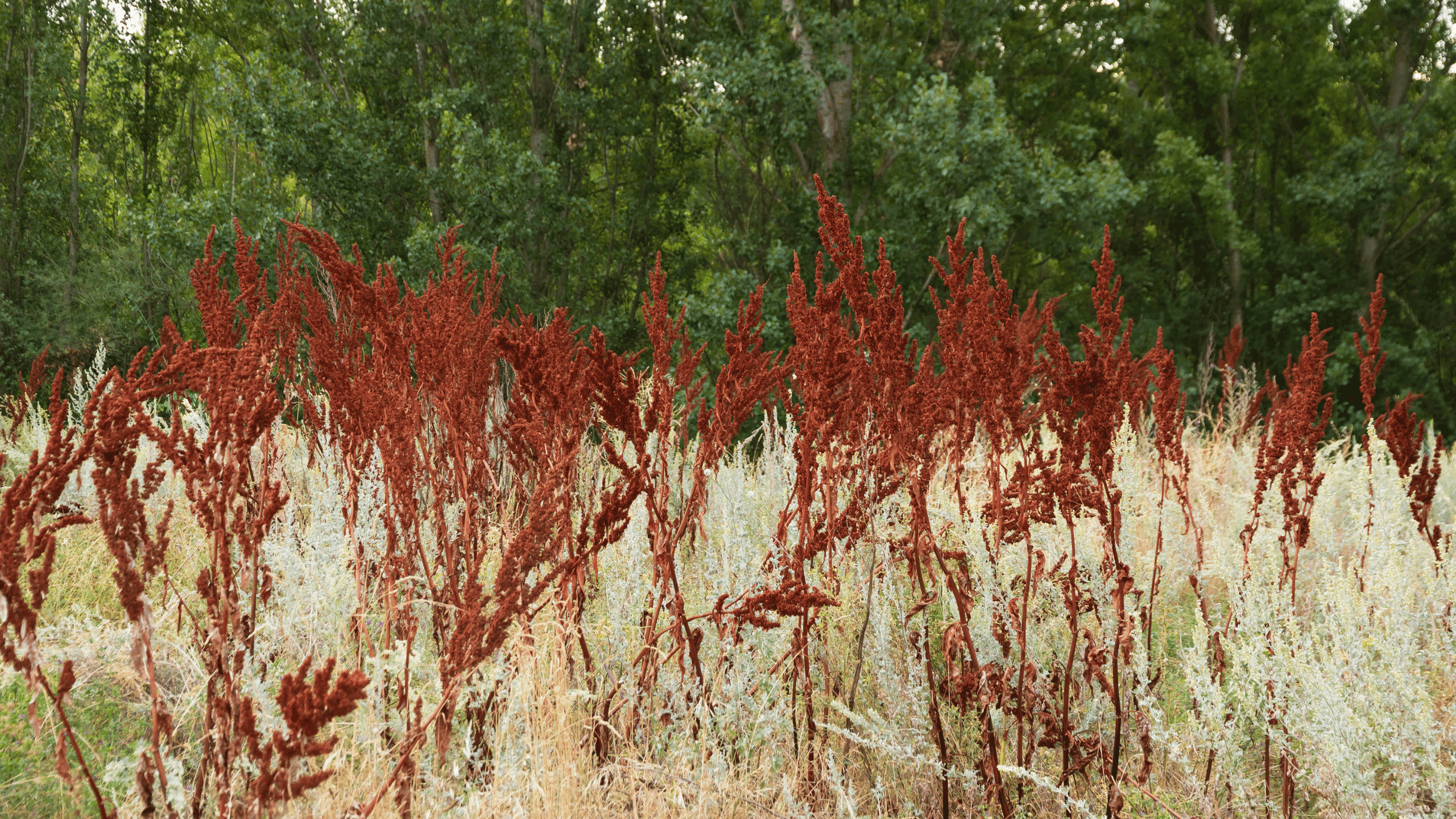
Sorrel (Rumex) is a genus of plants from the family Polygonaceae. In Croatia, the most common species are common sorrel (Rumex acetosa) and curly sorrel (Rumex crispus). It is recognizable by its lanceolate leaves and tall upright stems that bear numerous small, reddish flowers.
Why is sorrel an important allergen?
Availability: It can be found everywhere, from the moist lowland meadows of Slavonia to the hilly pastures of Gorski kotar and Lika. Even in urban areas, sorrel thrives on the edges of sidewalks and neglected green spaces.
Pollen production: Although it does not produce as much pollen as ragweed, sorrel releases small and light grains that the wind easily carries over long distances.
Specific timing: Its flowering begins in May and lasts until August, filling the "gap" between early grasses and later weeds.
Symptoms of sorrel allergy: How to recognize them?
Sorrel allergy manifests similarly to other pollen allergies, but its symptoms can be particularly irritating as they are often long-lasting and occur during high temperatures, further exhausting the body.
Allergic rhinitis: Characterized by frequent sneezing in bursts, abundant watery nasal discharge, and a feeling of pressure in the sinuses.
Eye irritation: Itching of the conjunctiva, redness, burning, and increased tearing. Due to the small particles of pollen, the eyes can be particularly swollen after being in freshly mowed meadows.
Respiratory problems: In individuals with sensitive airways, pollen from sorrel can cause a dry cough, "wheezing" in the chest, and difficulty breathing.
Contact reactions: Since sorrel is often harvested for food (soups, sauces), direct skin contact with leaves or stems can cause urticaria (hives) or itching of the palms in allergic individuals.
Allergy Croatia: Where does sorrel pose the greatest threat?
In Croatia, the prevalence of sorrel varies depending on soil moisture, which directly affects pollen concentration in certain regions.
Continental region (Slavonia and Central Croatia): Due to the abundance of moist meadows and fields, sorrel blooms here in large quantities. The highest pollen levels are recorded in June.
Mountainous Croatia (Lika and Gorski kotar): Sorrel loves mountain pastures. Here, the season can last longer due to the cooler climate, meaning that allergy sufferers who escape the heat to the mountains must remain vigilant.
Coastal and island regions: Although less prevalent than in the north, sorrel grows in the hinterland and moist valleys of the islands, where local microclimatic conditions can favor its growth.
Pollen map: Your ally in planning your day
When it comes to seasonal allergies, modern technology offers excellent solutions. The Pollen Map, updated by experts from the Public Health Institute "Dr. Andrija Štampar," provides patients with insight into the real state of the air.
How does the pollen map help with sorrel?
Precise location: You can see whether the pollen levels of grasses and weeds (including sorrel) in your city are high (red), moderate (yellow), or low (green).
Trends: The map shows trends in rising or falling concentrations, helping you decide whether it’s wise to plan a picnic for the weekend or better to stay indoors.
Interactivity: Most smartphone apps offer real-time notifications, which is invaluable for people with severe symptoms.
Cross-reactive allergies and sorrel
An interesting aspect of allergy to sorrel is its connection to diet. If you are allergic to sorrel pollen, your immune system may recognize similar proteins in certain foods, leading to Oral Allergy Syndrome (OAS).
People allergic to sorrel sometimes experience a burning sensation in the mouth or throat itching after consuming:
Raw sorrel (in salads)
Spinach (due to related proteins)
Rhubarb
Certain types of berries
It is always recommended to cook foods if you notice these symptoms, as heat usually breaks down allergenic proteins.
5 steps to reduce exposure to sorrel pollen
Reducing symptoms starts with prevention. Here’s how to protect yourself from invisible particles in the air:
1. Avoid freshly mowed areas
Although mowing is necessary to control weeds like ragweed, the process of mowing sorrel and grasses releases huge amounts of pollen into the air. If you are allergic, let others do the mowing and keep windows closed while the neighborhood is being mowed.
2. Hygiene after entering the home
Sorrel pollen grains are microscopic and sticky.
Showering and washing hair: Be sure to rinse your hair before sleeping to avoid transferring pollen to your pillow.
Changing clothes: Remove the clothes you wore outside as soon as you enter the apartment and do not leave them in the bedroom.
3. Managing the home microclimate
Use air conditioners with clean filters. Investing in a quality air purifier with a HEPA filter can significantly reduce the presence of pollen indoors, ensuring you have a peaceful sleep without sneezing.
4. Drying laundry
Never dry bedding and laundry outside during the sorrel season. Wet fabric acts as the most effective magnet for pollen, which you will later inhale throughout the night.
5. Sunglasses and masks
When outdoors, wear sunglasses that fit snugly against your face. They prevent direct contact of pollen with the eye mucosa. On days of extremely high concentrations, wearing an FFP2 mask while outdoors can be a lifesaver.
Treatment and alleviation of symptoms
If preventive measures are not sufficient, medicine offers solutions that allow for a normal life:
Antihistamines: Medications that block the body's reaction to the allergen. It is best to start taking them a few days before the pollen map indicates high levels.
Topical preparations: Nasal sprays based on corticosteroids (with a doctor's prescription) and eye drops can dramatically reduce local inflammation.
Nasal rinsing: Using saline solution or seawater several times a day mechanically removes pollen from the nasal mucosa.
Conclusion: Knowledge conquers allergy
Allergy to sorrel in Croatia is more common than we think, but with proper education and the use of modern tools, it doesn’t have to mean the end of enjoying nature. Regularly monitor how the pollen map looks, adhere to hygiene measures, and do not neglect the first symptoms.
Timely reaction and understanding the flowering calendar will allow you to take control of your health. Although sorrel and its relatives are an inevitable part of our landscape, with these tips, you can stroll through the summer peacefully, without constant sneezing and watery eyes. Respiratory health is a priority, and being informed is your first line of defense.
Track pollen levels in your city in real time
Check pollen map