Pine Allergy: Everything You Need to Know About the Yellow Powder Covering Croatia
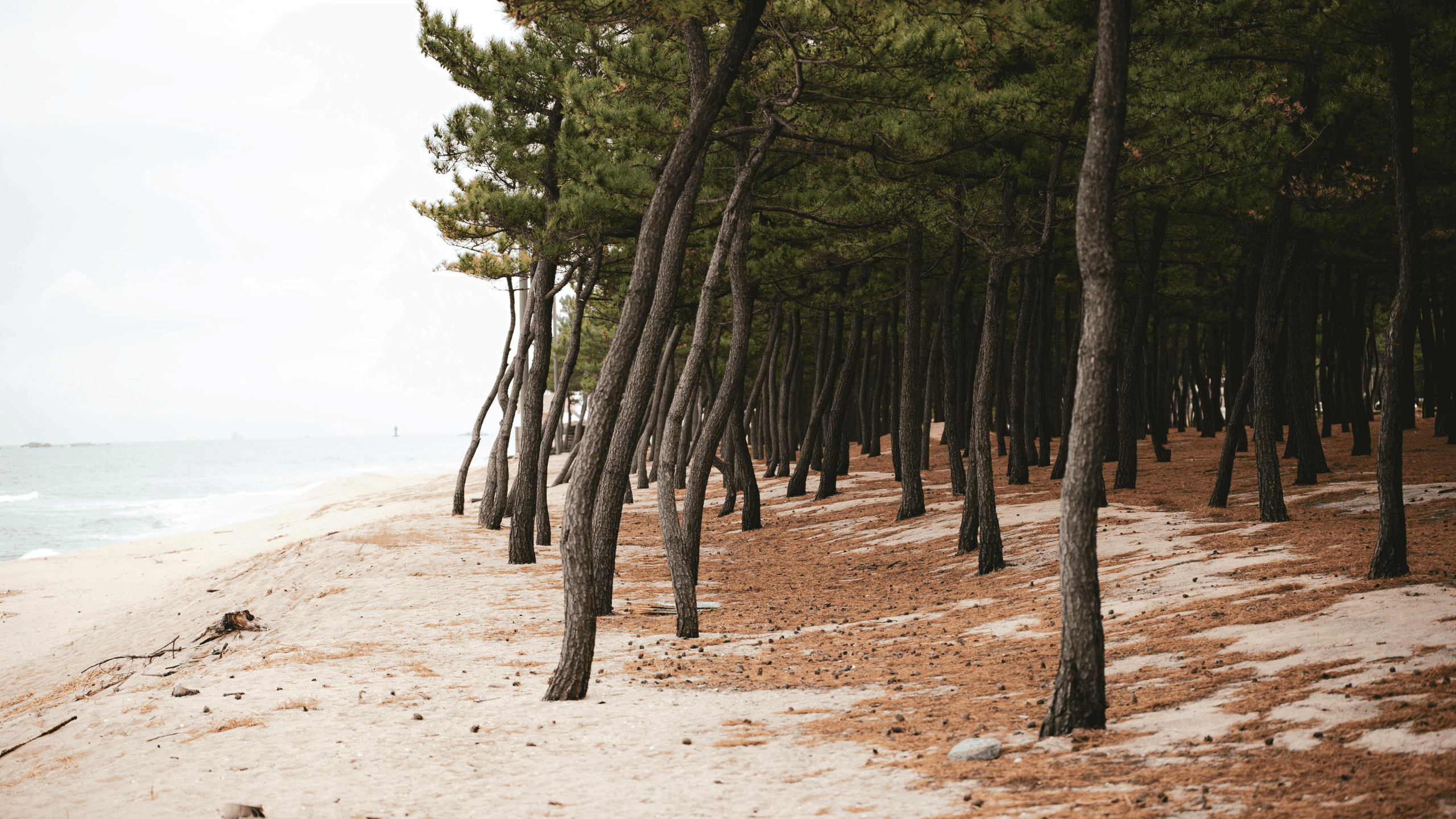
Every spring, usually in April and May, residents of Croatia witness an unusual phenomenon: cars, balconies, and surfaces of the sea become covered with a thick layer of fine, yellow powder. Although many immediately think of sand from the Sahara, the real truth lies in the crowns of black and white pine and Aleppo pine along the coast. Pine pollen is the most visually noticeable allergen in our region, but its role in the world of allergies is often a subject of misconceptions.
In the context of the term allergy Croatia, pine occupies a specific place. While ambrosia is considered the most aggressive weed of late summer, pine dominates the visual space of spring. For thousands of people suffering from respiratory issues, the appearance of yellow powder is a signal for alarm, but medical research shows that behind this visible occurrence often lie other, invisible attackers. In this article, we explore everything you need to know about pine allergy, how to read the pollen map during the peak season, and how to distinguish a real allergy from mechanical irritation.
Biology of Pine: Why Do We See So Much Pollen?
Pines (Pinus) are gymnosperms that produce enormous amounts of pollen. Since they rely solely on the wind for pollination, their strategy is "quantity over everything." One pine tree can produce billions of pollen grains.
Main characteristics of pine pollen:
Grain size: Pine pollen is among the largest in the plant world. The grains have specific "air cushions" that allow them to float, but their size makes them less aggressive for deep airways compared to birch or grasses.
Blooming season: In Croatia, the pine season starts in the south (Aleppo pine) as early as March, while in the interior (black and white pine) it peaks in May.
Stickiness: Due to the presence of resins, the yellow powder easily sticks to all surfaces, making it extremely visible and difficult to remove without water.
Myths and Truths: Is Pine Really Such a Dangerous Allergen?
There is a paradox related to pine: although we see it the most, it is statistically a rarer cause of severe allergies than the invisible pollen of birch or grasses.
Mechanical irritation vs. Allergic reaction: Most people who complain about "pine allergy" actually suffer from mechanical irritation. Since pine grains are large and coarse, they physically irritate the mucous membranes of the nose and eyes, similar to how ordinary household dust would. A true allergy (immune response to proteins in the pollen) to pine exists, but it is rarer.
However, the yellow powder of pine has one dangerous function: it acts as a "carrier." On the sticky surface of pine grains, finer and much more aggressive allergens like grass or oak pollen can attach, which then enter your nose together, intensifying symptoms.
Symptoms: How to Recognize a Reaction to Pine?
If you are sensitive to pine or irritated by its powder, you will notice the following:
Redness and tearing of the eyes: Due to the size of the grains, the eyes are the first to react to the "sand" in the air.
Itchy nose and sneezing: The body's attempt to mechanically expel large grains from the airways.
Feeling of dryness in the throat: The "yellow dust" can dry out the mucous membranes, causing a mild cough.
Skin reactions: In extremely sensitive individuals, contact with resin or a large amount of pollen can cause mild itching or hives.
Allergy Croatia: Where is Pine Most Active?
Croatia is a country of pine forests, but the impact varies by region:
Dalmatia and the islands: Aleppo pine is the dominant species. Its pollen covers the sea with yellow spots, which tourists and locals often confuse with pollution. Here, the season lasts long and is intense due to winds like the maestral that swirl the pollen.
Lika and Gorski kotar: Areas rich in conifers have a shorter but explosive season in late spring.
Continental Croatia: Pines are found here in parks and suburban forests. Although they are fewer than in Dalmatia, their blooming coincides with the peak of grasses, creating difficult conditions for patients suffering from hay fever.
Pollen Map: Your Key to Understanding the Yellow Powder
In moments when everything turns yellow, the pollen map is the only way to find out what is actually happening in the air.
Check the grasses: If you see yellow powder on your car, and the map indicates that the grass level is "high," your symptoms are likely coming from grasses, and pine is just a visible reminder that the season is in full swing.
Monitor humidity: Pine releases the most pollen during dry and warm days. As soon as it rains, the yellow powder disappears from the air (and turns into yellow puddles on the ground), bringing instant relief.
Travel planning: The map can reveal that the pine season on the islands has already ended, while in Zagreb it is just beginning, which is useful for planning vacations.
Pine and Ambrosia: A Big Difference
It is important to note that, unlike ambrosia, pines also have numerous health benefits. Their essential oils and phytoncides purify the air of bacteria, which is why spas for lung patients are often located in pine forests. While ambrosia is solely a harmful weed, pine is a beneficial ally of nature whose only "flaw" is the excessive production of visible powder during a short period of the year.
Conclusion: Don’t Be Afraid of Yellow Powder, But Be Cautious
Pine allergy is rarer than one might think, but the irritation it causes is real and unpleasant. The key is in being informed. The next time you see a yellow layer on your window, don’t panic. Check what the pollen map says, protect your eyes and nose, and maintain hygiene in your space.
In Croatia, we are privileged to live near beautiful pine forests that provide us with oxygen and the scent of summer. With a little caution during those few weeks of blooming, you can enjoy nature without constant sneezing. Understanding the blooming process and proper protection will allow you to experience spring in all its glory, no matter how much pollen pine decides to share with us.
Track pollen levels in your city in real time
Check pollen map