The Impact of Climate Change: Why Allergy Seasons Last Longer?
In recent decades, residents of Croatia have noticed an unusual phenomenon: sneezing does not start in April, but often in February, and watery eyes and a stuffy nose accompany us deep into autumn, sometimes even until the first frosts in November. If it seems to you that the allergy you are battling lasts longer than it did ten or twenty years ago, you are not mistaken. Scientific data confirms that climate change has fundamentally altered the way plants produce pollen, making allergy seasons more intense and longer-lasting.
The term allergy Croatia is no longer associated only with "spring fatigue." It has become a year-round challenge that directly correlates with global warming, rising CO2 levels, and changes in precipitation patterns. In this article, we explore why this is happening and how the pollen map can help us navigate this "new normal."
1. Global Warming and Nature's Early Awakening
Plants respond to temperature signals to know when it is time to bloom. Due to milder winters and earlier springs, the growing season begins significantly earlier. In the continental parts of Croatia, trees such as hazel and alder now start releasing pollen as early as late January or early February.
The absence of low winter temperatures prevents plants from entering a dormant phase, causing them to start blooming and releasing pollen earlier. For those suffering from allergies, this means that the period of rest during winter becomes shorter. Instead of several months of peace, the immune system is under attack for almost ten months a year.
2. Elevated Levels of CO2: Fuel for Allergens
Carbon dioxide (CO2) is not just a greenhouse gas; it is "food" for plants. Research has shown that plants in an atmosphere rich in carbon dioxide grow faster, become larger, and, worst of all for allergy sufferers, produce significantly more pollen.
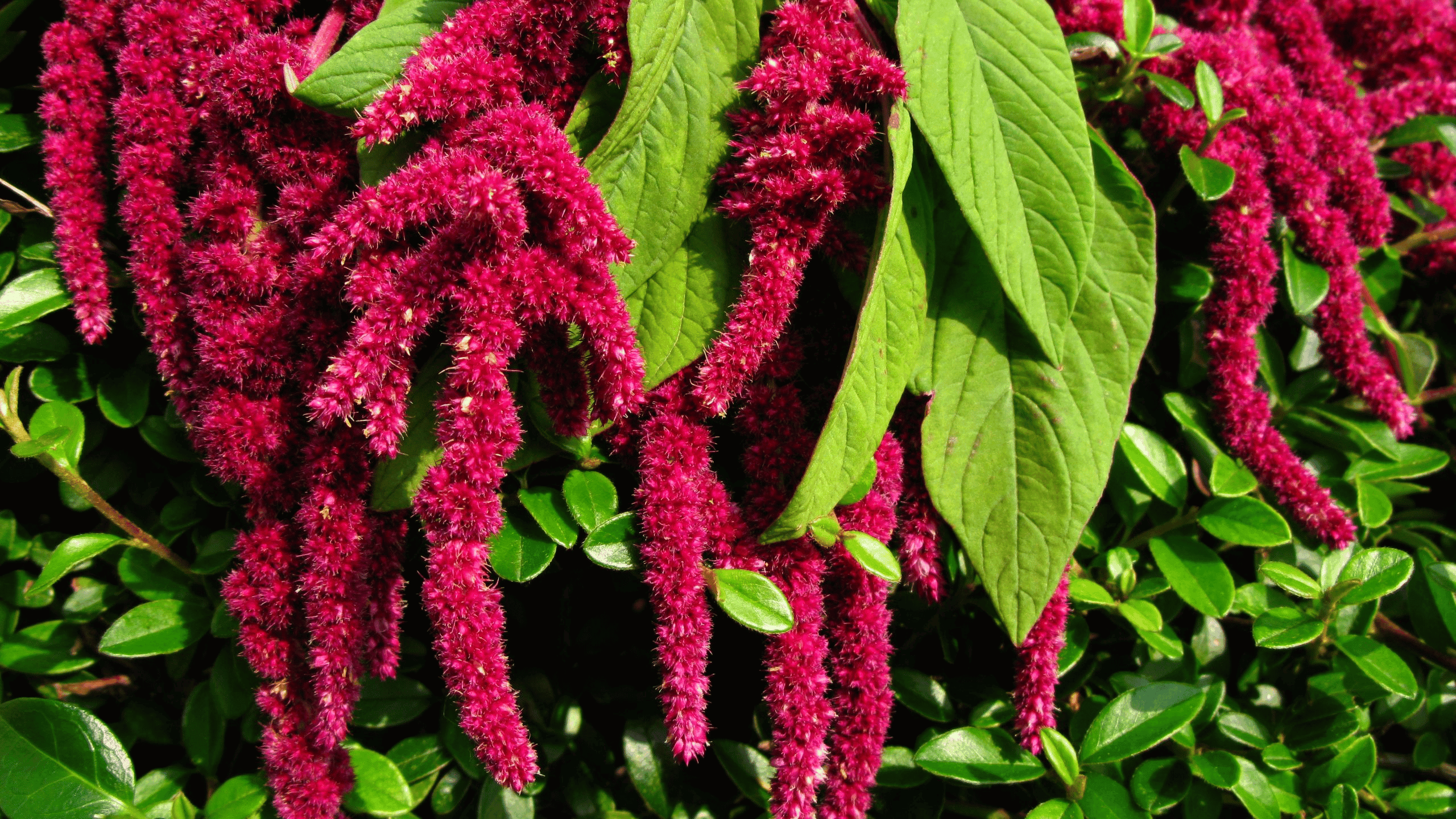
Particularly concerning is ragweed. This invasive plant responds incredibly well to elevated CO2 levels. Experimental data indicate that ragweed in modern atmospheric conditions produces up to twice as many pollen grains as in pre-industrial times. In addition to quantity, the quality changes as the pollen becomes more potent, containing more allergenic proteins that trigger stronger immune responses.
3. Ragweed: An Ongoing Invasion
When discussing ragweed, Croatia is one of the most affected areas in Europe. Climate change not only increases pollen production but also allows ragweed to spread northward and to higher altitudes where it previously could not survive.
Warmer autumns without early frosts mean that ragweed can bloom and release pollen uninterrupted until October or even November. In Slavonia and central Croatia, concentrations are often so high that measuring instruments approach their maximum limits. The extended autumn directly prolongs the suffering of millions of people, making the boundary between seasonal allergies and chronic respiratory problems almost invisible.
4. Storms and "Thunderstorm Asthma"
Climate change also brings extreme weather conditions. One specific phenomenon that is becoming increasingly common is severe allergic reactions during summer storms. Scientists have discovered that humidity and electricity during thunderstorms can cause pollen grains to burst into finer particles.
These fine particles penetrate deep into the lungs more easily, which can cause sudden asthma attacks, even in individuals who typically only have mild rhinitis. Given that stormy weather is becoming more frequent and intense in Croatia, monitoring the biometeorological forecast is becoming a necessary routine for every patient.
5. Urban Heat Islands: Cities as Incubators
Cities like Zagreb, Osijek, or Split function as "heat islands." Buildings and asphalt retain heat, making urban cores several degrees warmer than surrounding rural areas. This further accelerates the blooming of urban trees and weeds.
In addition to heat, urban pollution (exhaust gases, soot particles) acts synergistically with pollen. Pollution particles "stick" to pollen and help it penetrate the mucous membranes of the respiratory tract more easily. The result is a paradox: although there is less greenery in the city than in the countryside, the symptoms caused by allergies are often more severe in urban environments.
How to Adapt: Practical Steps
Since we cannot stop climate change overnight, we must change the way we manage our health.
Regularly Monitor the Pollen Map
Information is the strongest weapon. The Pollen Map is no longer something to check once a week. In unstable climate conditions, concentrations can change drastically within 24 hours. Our map allows you to plan your daily activities in peace.
Preventive Therapy
Due to extended seasons, doctors are increasingly recommending prophylactic use of antihistamines at least two weeks before the expected start of the season according to the flowering calendar. If ragweed starts blooming in early August, your preparation should begin in mid-July.
Adapting Home and Environment
HEPA Filters: Invest in air purifiers that can filter microscopic pollen particles that have become finer due to climate impacts.
Keep Windows Closed During Peaks: Monitor the forecast and keep windows closed during sunny and windy days when pollen transport is most intense.
Greens in the Garden: If planting around the house, choose plants that are pollinated by insects (entomophilous plants), as they do not release large amounts of pollen into the air, unlike those pollinated by wind.
The Future of Allergies in Croatia
Scientific projections for the next 30 years are not optimistic if warming trends continue. It is predicted that the season dominated by tree and grass pollen will merge with that dominated by ragweed, leaving very little room for mucosal recovery.
Additionally, new invasive species from warmer regions are slowly moving northward into Croatia, bringing new types of allergens to which our population is not accustomed. Allergy is becoming a global public health priority, and educating citizens about the impact of the environment on health is the first step in the fight.
Conclusion
Climate change is no longer an abstract concept; it is present in every breath we take. Extended seasons, stronger allergens, and new weather extremes mean we must be more vigilant than ever. Allergy as a topic requires a systematic approach, from state programs to combat ragweed to the individual responsibility of each of us.
Do not let climate change catch you off guard. Use available tools, monitor how the pollen map is moving, and respond to the first signals nature sends you. The health of your lungs depends on how well you understand the world around us that is constantly changing.
Track pollen levels in your city in real time
Check pollen map