Ash Allergy: Everything You Need to Know About the Invisible Cause of Spring Troubles
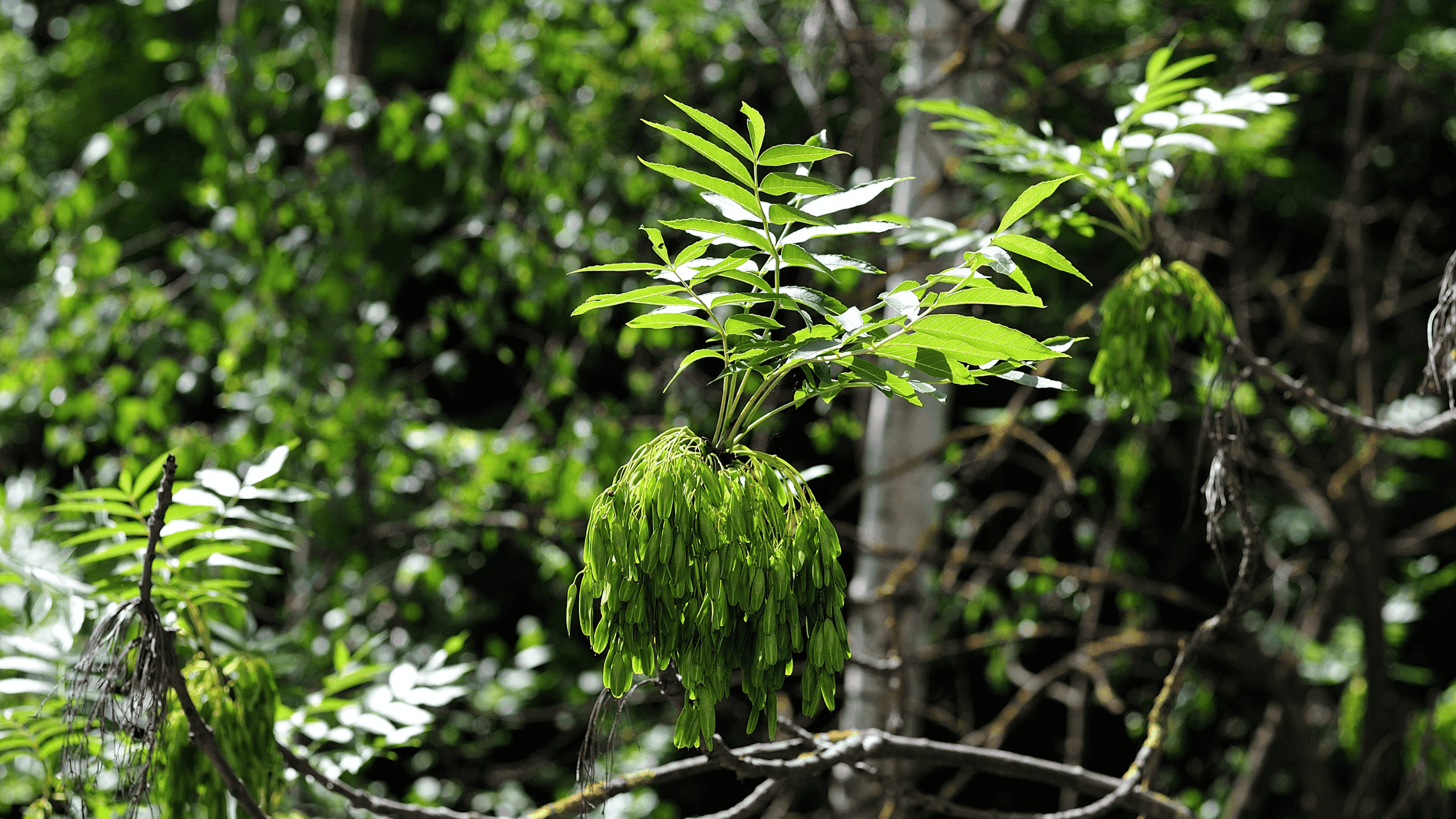
While early spring media coverage often focuses on birch and hazel, another resident of our parks and forests quietly releases huge amounts of allergens. The ash tree (Fraxinus), an elegant tree that adorns lowland and hilly areas, is one of the most significant yet often underestimated causes of pollen allergy. Ash allergy in Croatia poses a serious public health challenge, especially in urban areas where this tree has been widely planted due to its resilience and rapid growth.
When allergy Croatia is mentioned, the focus is often on aggressive weeds like ambrosia, but it is the ash that "rules" the skies in March and April. Its pollen has a very high allergenic potential, and due to its specific botanical relationship with some other species, the symptoms it causes can be long-lasting and exhausting. Understanding the dynamics of ash flowering, monitoring tools like the pollen map, and timely medical preparation are key to a peaceful spring.
Biology of Ash: Why is its Pollen So Aggressive?
Ash belongs to the olive family (Oleaceae), which is crucial information for every allergy sufferer. In Croatia, the most widespread species are the field ash, which dominates in floodplains, and the mountain ash.
What Makes Ash a Dangerous Allergen?
Wind Pollination: Ash produces huge amounts of fine, light pollen that the wind easily carries over distances of several dozen kilometers.
Blooming Period: Ash usually blooms from mid-March to the end of April. Its season perfectly overlaps with birch, creating a "cumulative effect" where the immune system of patients is bombarded by two strong allergens simultaneously.
Concentration: In cities like Zagreb or Osijek, the concentration of ash pollen in the air often reaches critical levels, making outdoor activities nearly impossible for sensitized individuals.
Symptoms: How to Recognize Ash Allergy?
The symptoms caused by ash allergies are classic symptoms of pollen allergy, but patients often report intense eye irritation and deep coughing.
Allergic Rhinitis: Repeated sneezing (often in bursts of 10 to 20 times), abundant watery nasal discharge, and severe mucosal congestion.
Conjunctivitis: Stinging, itching, and pronounced redness of the eyes. Interestingly, ash pollen can also cause eyelid swelling in many individuals.
Respiratory Disturbances: Dry, irritating cough that worsens at night. In asthmatic individuals, ash can trigger severe choking attacks.
Allergic Fatigue: Due to the constant struggle of the body with the allergen, patients suffer from insomnia, lack of concentration, and a general feeling of exhaustion.
Allergy Croatia: Where Does Ash Cause the Most Problems?
Thanks to its river basins and mountain ranges, Croatia is an ideal habitat for ash.
Lowland Croatia (Posavina and Podravina): Field ash forms vast forests along the Sava and Drava rivers. Cities in these regions record the highest levels of ash pollen in the country. When April arrives, the pollen map for these areas is almost daily "in the red".
Urban Areas (Zagreb): Ash has been a favorite tree for street plantings in Zagreb neighborhoods (like New Zagreb or Trnje) for decades. Residents of these neighborhoods are directly exposed to pollen as soon as they open their windows.
Cross-Reactivity with Olive: This is a specificity of Croatia. Since ash and olive are botanically related, individuals allergic to ash in the north often have strong reactions to olives if they travel to the Adriatic in May. And vice versa.
Pollen Map: An Essential Tool for Navigating Spring
During the peak season, the pollen map becomes the most important source of information for every allergy sufferer. It allows you to:
Identify Peaks: The concentration of ash pollen varies depending on wind and humidity. The map helps you plan outings when levels are lowest.
Differentiate Ash from a Cold: If symptoms last for weeks and the map shows high levels of ash, it's time to stop taking cold medications and start antihistamines.
Adjust Therapy: Doctors recommend starting therapy a few days before pollen becomes visible in high concentrations on the map.
Cross-Reactive Food Allergies
Like with other pollen allergies, patients with ash allergy may experience oral allergy syndrome. Due to protein similarities, your immune system may react to:
Olives and Olive Oil: Although rare with refined oil, fresh olives can cause itching in the mouth.
Fruits: Apples, peaches, and kiwis sometimes cause mild reactions in individuals primarily allergic to ash.
Vegetables: Celery and carrots (raw) are the most common culprits for cross-reactions at this time of year.
5 Steps to Protect Against Ash Pollen
Fighting against ash requires a strategic approach to hygiene and lifestyle habits.
1. "Pancirka" for Eyes and Nose
Wear sunglasses that fit snugly against your face to physically prevent pollen grains from entering your eyes. After returning indoors, be sure to rinse your nose with saline solution or sea water spray to mechanically remove accumulated pollen.
2. Evening Hygiene is Key
Do not go to bed without washing your hair. Pollen from ash collects in your hair during the day, and if you don't rinse it out, you'll be inhaling allergens from your pillow all night. Also, leave all the clothes you wore outside in the bathroom or wash them immediately.
3. Air Control at Home
Keep windows closed during the day, especially if it is windy. Ventilate briefly and only after rain that "cleans" the air. Invest in an air purifier with a quality filter that can trap microscopic ash particles.
4. Caution with Pets
If you have a long-haired dog, it brings huge amounts of pollen into the house. After each walk, wipe your pet with a damp cloth, focusing on the paws and belly.
5. Timely Medical Support
Do not wait until your nose is completely blocked. New generation antihistamines do not cause drowsiness and are very effective if taken regularly. If your symptoms are severe, consult an allergist for the introduction of intranasal corticosteroids that calm mucosal inflammation.
Conclusion: Knowledge Conquers Allergies
Ash allergy is a challenge affecting an increasing number of people in Croatia, partly due to climate change that extends the blooming season. However, with tools like the pollen map and discipline in hygiene measures, symptoms can be kept under control.
Do not let the most beautiful time of the year pass you by indoors. Recognize ash as the cause of your troubles, prepare your body in advance, and learn how to coexist with this noble tree. With proper protection, the ash season can become just a small obstacle on the path to enjoying spring.
Track pollen levels in your city in real time
Check pollen map