Cypress Allergy: Everything You Need to Know About the Invisible Ruler of the Mediterranean
While in the continental part of Croatia, battles are fought against birch and elm, residents of the Adriatic face one of the longest-lasting and most aggressive allergens – cypress (Cupressus). Cypress allergy is no longer reserved just for the south; due to climate change and trends in horticulture, this allergen is increasingly appearing high on the lists of respiratory problem triggers across the country. While ragweed is just preparing for its autumn invasion, cypress dominates the air at a time when many are still struggling with the remnants of winter colds. Understanding the specifics of this tree, monitoring tools like the pollen map, and timely protection are key to preserving health during its long flowering season.
Biology of Cypress: Why is its Pollen So Potent?
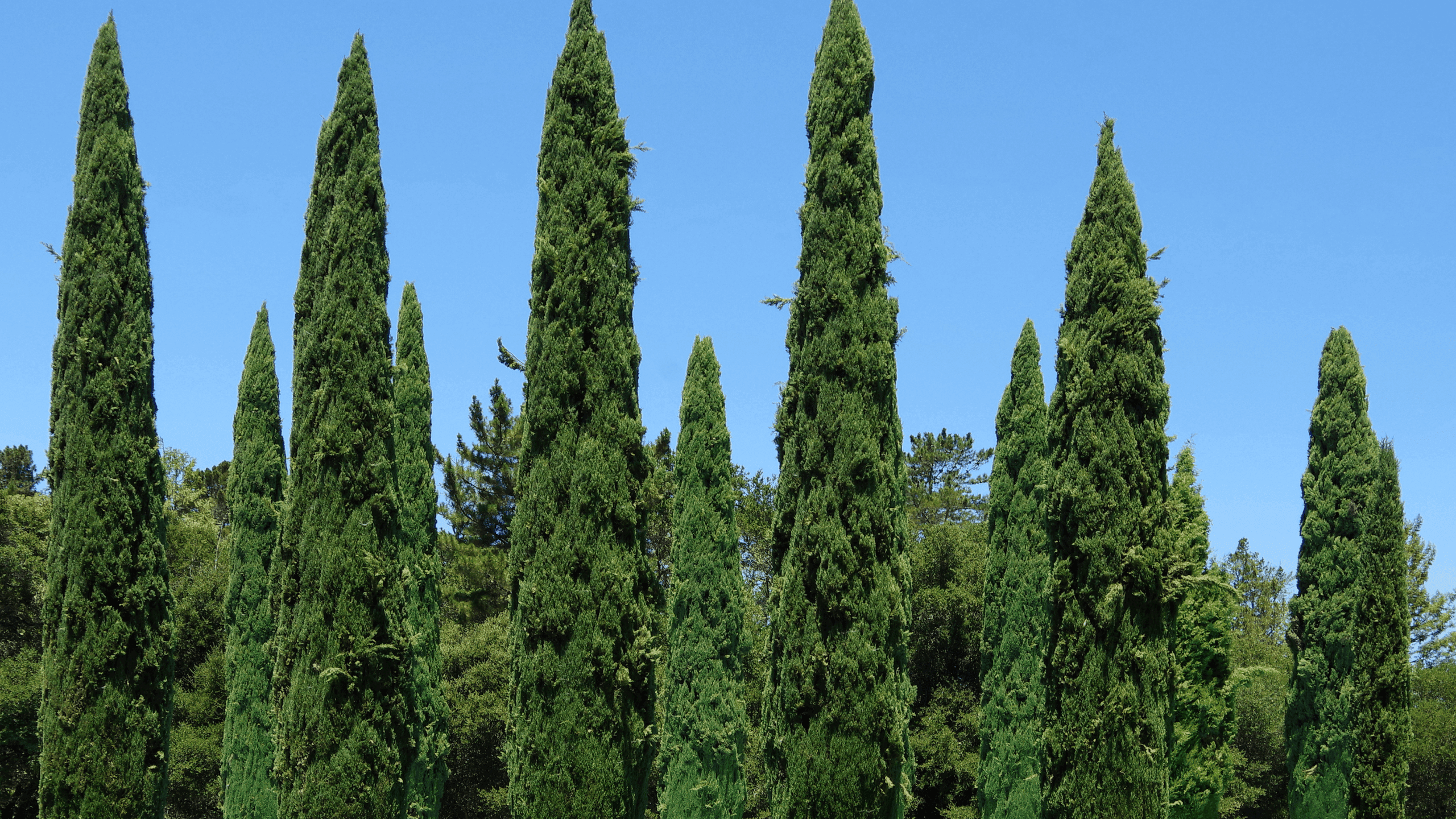
Cypress is an evergreen tree belonging to the family Cupressaceae. What makes it special in the world of allergology is its incredible ability to produce pollen. One cypress tree can release billions of microscopic grains that the wind easily carries for miles.
Key characteristics of cypress pollen:
Long season: Unlike some trees that bloom for only two weeks, cypress can release pollen from January to May, depending on air temperature.
Resistance: Cypress grains are very stable and can remain airborne for a long time, even at lower temperatures.
High concentration: At the peak of the season, the concentration of cypress pollen in Dalmatia often exceeds 1000 grains per cubic meter of air, causing severe symptoms even in individuals who usually do not have pronounced allergies.
Symptoms: How to Recognize Cypress Allergy?
Since cypress blooms during a period when viral infections are rampant, many patients attribute their symptoms to a "prolonged cold." However, allergy has its specific signs:
Itchy nose and throat: A persistent "tickling" sensation that leads to repeated sneezing.
Allergic conjunctivitis: Eyes are red, burning, and tearing. Interestingly, cypress is known to cause stronger symptoms in the eyes than many other woody allergens.
Dry, irritating cough: Cypress spores are very small and easily penetrate deep into the lower respiratory tract, causing chest tightness.
Fatigue and irritability: Constant inflammation of the mucous membranes exhausts the body, which patients often describe as a feeling of "fog in the head."
Unlike a cold, symptoms of cypress allergy worsen suddenly when exposed to windy weather and subside after rain or in an indoor space with an air purifier.
Allergy Croatia: Geographic Profile of Danger
In Croatia, the situation with cypress can be divided into two main zones:
1. Adriatic Coast and Islands
Here, cypress is an indigenous and dominant species. It is used as a windbreak, ornamental tree in parks, and cemetery vegetation. Due to the mild climate, blooming begins as early as January. Cities like Split and Šibenik regularly record extremely high concentrations, and the pollen map for the Adriatic in February is almost always "in the red."
2. Interior and Zagreb
In recent decades, cypress and related species (such as thuja and juniper) have been massively planted in continental Croatia as hedges and ornamental shrubs. This has led to the "import" of cypress allergy to the north. Although it blooms somewhat later here (March/April), the intensity of reactions among Zagreb residents is steadily increasing.
Pollen Map: Your Strategic Ally
If you live in an area where cypress grows, monitoring the pollen forecast is not just a recommendation, but a necessity. The Pollen Map allows you to:
Plan activities: If the concentration is high, avoid outdoor recreation, especially in the morning.
Time your therapy: Antihistamines work best if started a week before pollen concentration becomes critical.
Identify "safe zones": Sometimes going to higher mountainous areas can provide immediate relief as cypress blooms later there or may not be present at all.
In Croatia, pollen data is updated by the Public Health Teaching Institutes, and their tables clearly show trends – the cypress season is shifting earlier each year due to warmer winters.
Cross-Reactive Food Allergies
As with other pollen allergies, cross-reactions can occur with cypress. Individuals allergic to cypress pollen may sometimes notice itching in the mouth after consuming:
Peaches and citrus: Due to the similarity of proteins in stone fruits.
Hazelnuts: Although hazelnuts are more commonly associated with birch, cross-reactions are possible.
Tomatoes: Certain protein compounds can confuse the immune system.
If you notice these symptoms, it is recommended to avoid raw fruits during the peak cypress flowering season.
5 Steps to Survive the Cypress Season
Fighting against invisible spores requires changing daily habits.
1. "Bunker" Mentality at Home
During windy days, when cypress releases the most pollen, keep windows closed. If you have air conditioning, make sure the filters are clean. Ideally, use an air purifier with a HEPA filter in the bedroom to give your lungs a chance to recover overnight.
2. Hygiene After Going Out
Cypress pollen sticks to everything.
Washing hair: Be sure to rinse your hair before bed. If you don’t, pollen from your hair transfers to your pillow and you inhale it all night.
Changing clothes: Do not leave the clothes you wore outside in the bedroom.
Nasal rinsing: Regular use of saline solution or seawater can mechanically wash pollen from the mucous membranes before it causes inflammation.
3. Protection Outdoors
Wear sunglasses as they act as a physical barrier for the eyes. If you are gardening or spending time in an area with a lot of cypress, wearing a protective mask can drastically reduce the number of particles inhaled.
4. Proper Medical Therapy
Do not self-treat "blindly." Visit an allergist to determine the exact diagnosis. For cypress allergies, intranasal corticosteroids are often used to reduce nasal mucosa swelling, along with standard antihistamines.
5. Consider Immunotherapy
If symptoms are unbearable and last for months, talk to your doctor about desensitization (immunotherapy). This is a process in which the body gradually gets used to the allergen, which can lead to a permanent reduction in symptoms or complete healing.
Cypress vs. Ragweed: Similarities and Differences
Although both allergens are extremely potent, their dynamics in Croatia are different:
Timing: Cypress rules at the beginning of the year (winter/spring), while ragweed rules at the end of summer (August/September).
Geography: Cypress is a problem in the south, ragweed is a problem in the north, although both are slowly spreading into each other's "territory."
Strategy: The same rule applies to both allergens – awareness through tools like the pollen map is the only true defense.
Conclusion: The Power of Knowledge Over Nature
Cypress allergy is a serious health challenge that affects the quality of life for thousands of people in Croatia. However, with modern medicine and proper hygiene habits, it is possible to enjoy the beauty of the Croatian coast even during peak flowering.
The key is prevention. Don’t wait for your eyes to become completely red and your breathing to become difficult. Follow the flowering calendar, react to the first signs, and use all available tools to make your home a safe zone. Nature is beautiful, but with a little caution, you can enjoy it on your own terms.
Track pollen levels in your city in real time
Check pollen map