Genetics and Environment: Why Are Allergies on the Rise in Modern Times?
In the last few decades, we have witnessed a phenomenon that scientists call the "allergy epidemic." While our grandparents rarely knew terms like gluten intolerance or seasonal rhinitis, today, allergy has become almost an unavoidable part of everyday life. In Croatia, it is estimated that one in four residents suffers from some form of hypersensitivity.
However, a key question arises: What has changed? Have our genes mutated overnight, or has the modern environment become too aggressive for our immune system? The answer lies in the complex dance between genetics and the environment, where modern lifestyles are slowly but surely changing the way our bodies perceive the outside world.
Genetic Blueprint: Do We Inherit a Tendency for Allergies?
Genetics plays an undeniable role in who will develop allergies. If both parents suffer from allergic rhinitis or asthma, the chance that their child will have the same issues rises to a high 60% to 80%. Even if only one parent is allergic, the risk remains significantly higher than in the general population.
However, genes do not change over the span of one or two generations. Our DNA is practically identical to that of our ancestors from a hundred years ago. Thus, genetics gives us the "loading," but the environment is what "pulls the trigger." Scientists agree that the increase in cases cannot be attributed solely to heredity; rather, the key lies in the dramatic changes in our environment and lifestyle.
Hygiene Hypothesis: Have We Become "Too Clean"?
One of the most accepted theories regarding the rise of allergies is the so-called hygiene hypothesis. According to this theory, our immune system has evolved over thousands of years in an environment full of bacteria, viruses, and parasites. It was a system designed for combat.
In modern times, we live in almost sterile conditions. We use antibacterial soaps, drink chlorinated water, and spend 90% of our time in closed, isolated spaces. When our immune system has "no work" (because there are no real pathogens to fight), it becomes hypersensitive. It begins to attack harmless particles from the air, such as pollen, treating them as a mortal threat.
Research in Croatia and worldwide has shown that children who grow up in rural areas, in contact with livestock and natural soil, have significantly fewer allergies than children from urban environments. Their immune systems are "trained" to recognize the difference between dangerous microbes and harmless pollen grains.
Climate Change and "Super Pollen"
When looking for reasons why allergy in Croatia is the number one topic every spring and autumn, we cannot ignore the climate. Global warming directly affects plant biology.
Longer flowering seasons: Winters are milder, and springs arrive earlier. This means that plants release pollen significantly longer than before. Instead of two months of exposure, allergy sufferers are now under pressure for up to six months a year.
Increased potency of pollen: Higher levels of carbon dioxide (CO2) in the atmosphere act as fertilizer for plants. It has been proven that, for example, ragweed under high CO2 conditions produces not only more pollen but that these grains are richer in allergenic proteins. This is "super pollen" that causes stronger reactions even in people with mild symptoms.
Air pollution: Diesel engine particles and smog in cities like Zagreb or Split attach to pollen grains, making them "stickier" and more aggressive to our mucous membranes.
Ragweed: A Perfect Example of Ecological Imbalance
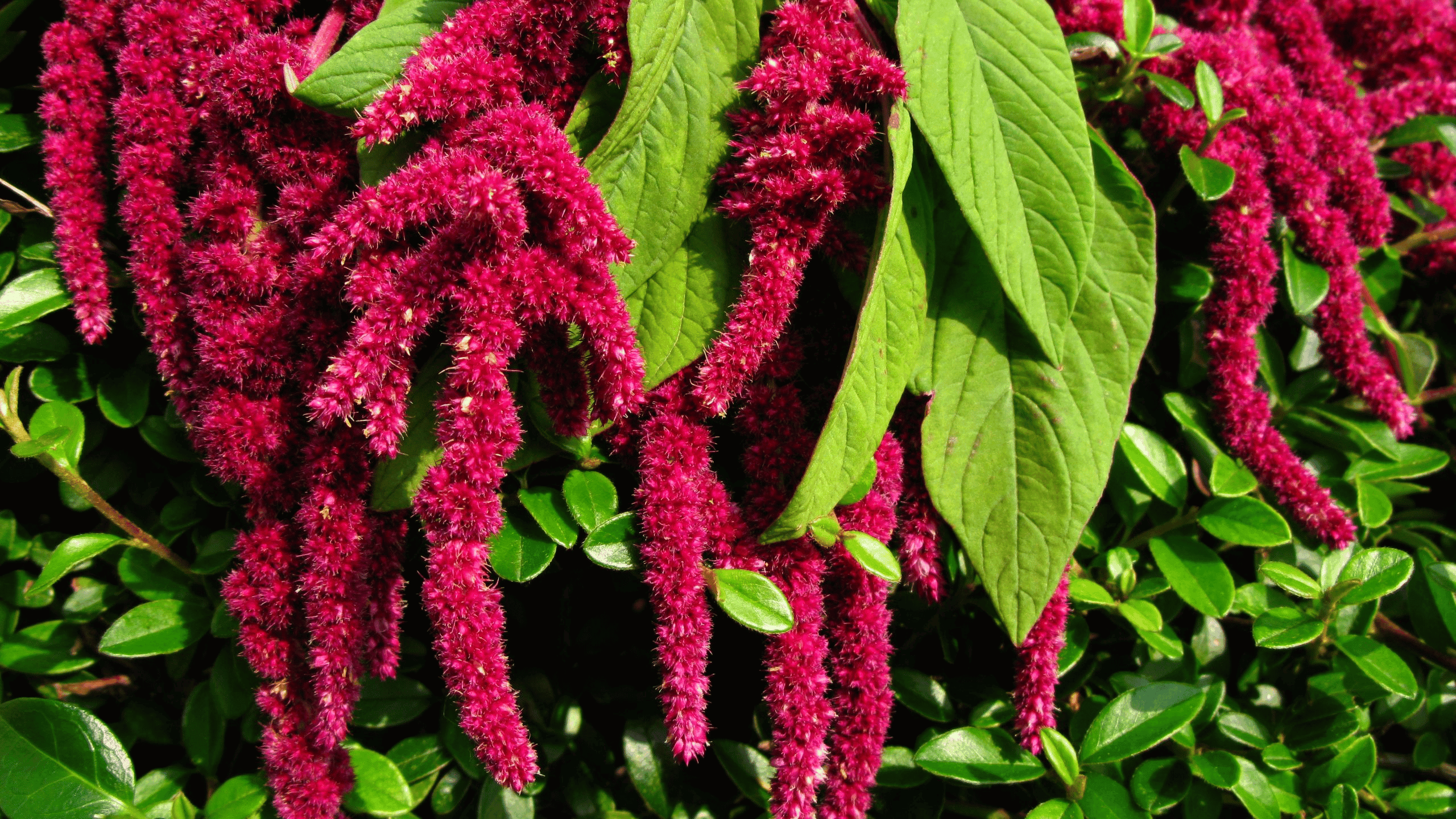
In Croatia, ragweed has become a symbol of modern allergies. This invasive plant is not a native species; it is an "imported" problem that has found perfect conditions for expansion in our altered environment. Abandoned agricultural land, construction work that leaves bare soil, and increasingly warmer autumns have allowed ragweed to become a dominant source of discomfort.
When looking at the pollen map in August, continental Croatia is almost regularly in the red zone. It is precisely this mass attack of allergens, to which our population has historically not been accustomed, that causes the development of new allergies in adults who have never had problems before.
Diet and Microbiome: Allergy Begins in the Gut
The modern environment is not only what surrounds us but also what we ingest. Our gut microbiota (microbiome) is a crucial regulator of the immune system.
Processed food, excessive use of antibiotics, and a lack of fiber in the diet impoverish our microbiome. When the "good" bacteria in the gut are lacking, the immune system loses its balance, leading to systemic inflammation and an increased tendency to develop allergies. This explains why we see such an increase in cross-reactions; for example, a person allergic to birch pollen suddenly begins to react to apples or hazelnuts.
How to Fight in the Modern World?
Although we cannot change our genes, we can modify our relationship with the environment to mitigate allergies.
Awareness is key: Regularly monitoring tools like the pollen map allows you to plan your activities. If you know that the concentration of grass or ragweed pollen is at its peak, you will avoid being outdoors at critical times.
Return to nature (the smart way): Spend time in forests and mountains where the air is cleaner, but do so outside the peak flowering season of your allergens.
Strengthen the barrier: Use air purifiers with HEPA filters in your homes to reduce the intake of modern pollutants and allergens into your living space.
Support immunity: A diet rich in probiotics and avoiding unnecessary antibiotics can help your body re-establish peace with the environment.
Conclusion: A Challenge for the Future
The rise of allergies in modern times is not a coincidence but a direct consequence of the mismatch between our ancient genetics and a radically changed environment. Allergy is a signal from our body that struggles to adapt to a world of sterility, pollution, and aggressive plants like ragweed.
Understanding this relationship is crucial for the future of health in Croatia. Only through better environmental protection, sustainable urban planning, and personal education can we reduce the "red zones" on our pollen maps and allow future generations to breathe easier.
Track pollen levels in your city in real time
Check pollen map