Willow Allergy: Everything You Need to Know About the Spring Challenge by Rivers and Lakes
As winter slowly retreats and the moist habitats along Croatian rivers and streams begin to turn yellow with the first flowers, most people view this as an idyllic scene of nature awakening. However, for allergy sufferers, that yellow pollen covering the water's surface and the ground marks the beginning of a months-long battle. While terms like ambrosia as the number one autumn enemy and birch as the spring queen of allergens are well-known, willow allergy (Salix) represents a significant and often underestimated problem in our region.
In Croatia, a country rich in rivers like the Sava, Drava, and Danube, willow is ubiquitous. Its pollen is one of the first to appear in the air, and due to its specific structure and stickiness, it creates unique challenges for the immune system. Understanding the dynamics of willow flowering, knowing its specifics, and regularly monitoring tools like the pollen map are key to surviving early spring without constant sneezing and watery eyes.
Willow Biology: Why is Its Pollen Specific?
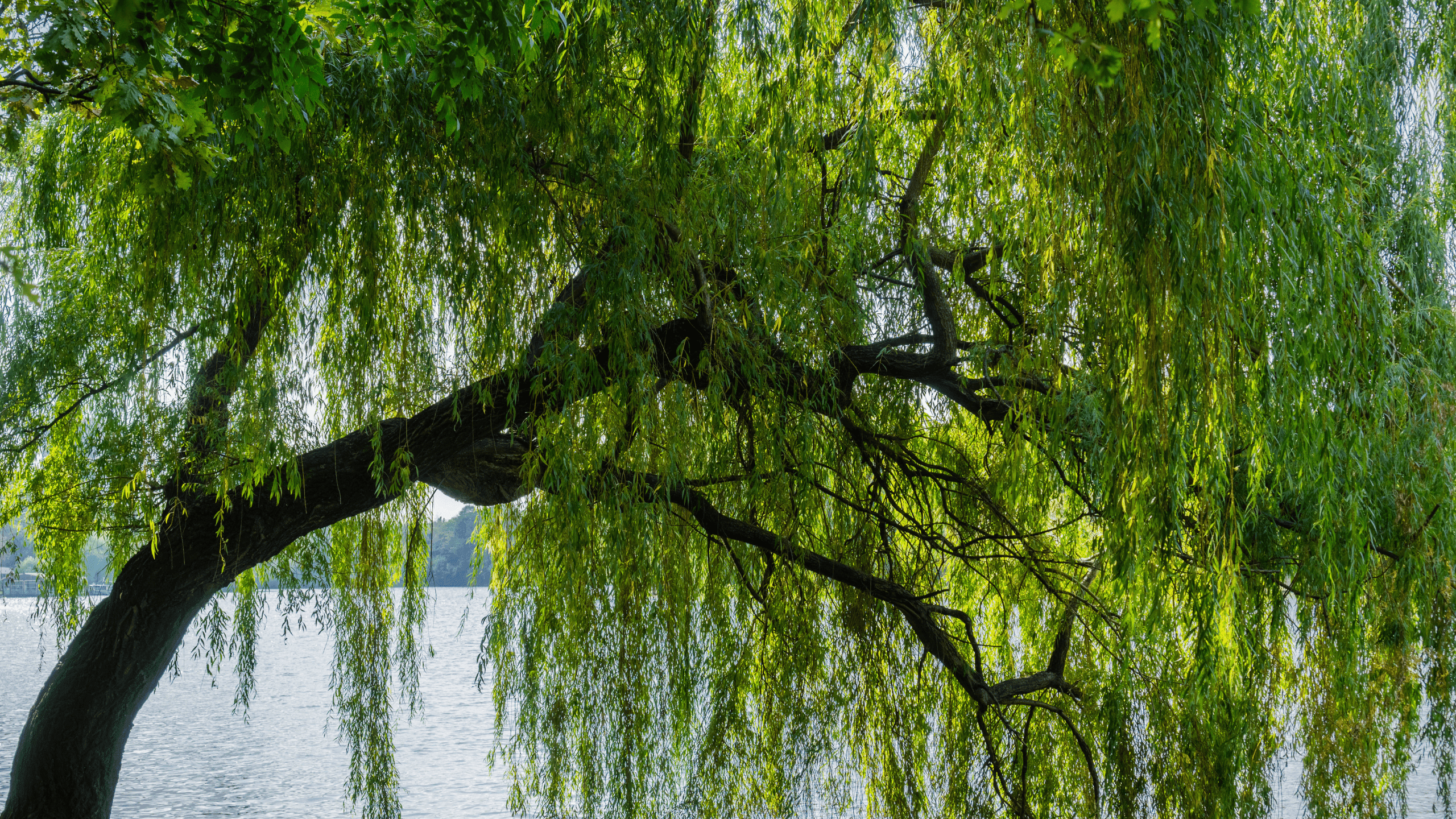
Willow (genus Salix) encompasses over 400 species of shrubs and trees, with the most well-known in our regions being white willow, brittle willow, and osier (known for its "catkins"). Unlike birch or grasses that rely solely on wind for pollination, willow is an "ambophilous" plant. This means that its allergy is transmitted by both wind and insects.
Since bees love willow for its nectar, a large portion of the pollen remains on the insects. Nevertheless, a significant amount of small, light grains enters the air. The pollen of willow is morphologically very small, allowing it to penetrate deep into the lower respiratory tract, causing stronger reactions in individuals suffering from allergic asthma. The flowering season of willow in Croatia usually begins in March and lasts until May, depending on the species and micro-location.
Symptoms: How to Recognize Willow Allergy?
The symptoms caused by willow allergies are often confused with those from other spring trees, but it is characteristic that they occur near water bodies or moist forests.
Allergic rhinitis: Repeated sneezing, watery nasal discharge, and a feeling of "heaviness" in the sinuses.
Conjunctivitis: Itching, burning, and intense redness of the eyes. Interestingly, willow often causes stronger eye irritation due to the stickiness of the pollen grains that cling to the eyelashes.
Skin reactions: Contact with willow branches (e.g., during the picking of "catkins") in highly sensitive individuals can cause contact dermatitis or hives.
Respiratory issues: Dry, irritating cough and difficulty breathing, especially during walks along riverbanks.
Allergy Croatia: Where is the Concentration of Willow Highest?
Geographically, Croatia is a paradise for willows. The term Allergy Croatia is most pronounced in early spring in the following regions:
Lowland Croatia (Slavonia and Posavina): Along the Sava, Drava, and Danube rivers, there are vast willow forests. Cities like Osijek, Slavonski Brod, and Sisak regularly record high concentrations of willow pollen as soon as the first warm weather arrives.
Zagreb and Surroundings: The Sava embankment, Jarun, and Bundek are places dominated by willows. Recreational runners along the embankment in March and April often feel the strongest symptoms due to the close proximity of the trees.
Gorski Kotar and Lika: Here, willow (especially osier) blooms a bit later, extending the allergy season for those traveling from the interior to the coast.
In the coastal area, willows are rarer, but there is cross-reactivity with other species, so patients must be cautious even during vacations in the south.
Pollen Map: Your Most Important Daily Tool
For every allergy sufferer in Croatia, the pollen map should be the first thing checked in the morning, alongside the weather forecast. Public health institutions regularly update this data, and it helps you in several ways:
Identifying the Culprit: If you see that birch is still dormant while willow is "in the red," you will know exactly what you are reacting to.
Planning Outings: When the concentration is high, avoid outdoor recreation, especially near rivers and lakes.
Timely Therapy: Antihistamines work best if taken as soon as the map shows the first moderate levels of pollen, not when symptoms have already become unbearable.
Cross Allergies and Connections with Other Plants
One of the biggest challenges with willow allergy is its botanical relationship with poplar. Since both belong to the family Salicaceae, the proteins in their pollen are very similar. If you are allergic to one, there is a high probability that the other will also bother you.
There is also a connection with food. People allergic to willow pollen may sometimes experience itching in the mouth (oral allergy syndrome) after consuming:
Apples and pears
Stone fruits (peaches, cherries)
Peanuts
Interestingly, there is also a connection with salicylates (components of aspirin). Although rare, individuals with extreme sensitivity to willow (which naturally contains salicin in its bark) may show sensitivity to certain medications, which should always be discussed with a doctor.
5 Steps to Survive the Willow Blooming Season
Although you cannot avoid willows if you live in Croatia, you can drastically reduce their impact on your health.
1. Hygiene After Walking
Willow pollen grains are slightly sticky. After returning from nature, be sure to wash your hair and change your clothes. Do not leave the clothes you wore outside in the bedroom, as you will breathe in pollen all night.
2. Protect Your Eyes and Nose
Wear sunglasses – they act as a physical barrier. Regularly rinsing the nasal mucosa with saline solution or seawater mechanically removes accumulated pollen before it triggers an inflammatory reaction.
3. Manage Ventilation
Keep windows closed during the day, especially in windy weather. Ventilate your apartment briefly, late in the evening or after rain that "washes" the air. If you have air conditioning, check that the filters are clean.
4. Wash Your Pets
If you have a dog that runs through the grass and willow bushes, it brings huge amounts of pollen into your home on its fur. Wipe your pet with a damp cloth after each walk.
5. Medical Preparation
Do not wait for your nose to become completely "cemented." If you know you are allergic, visit an allergist in time. The use of intranasal corticosteroids along with antihistamines is the standard that allows patients in Croatia to function normally during spring.
Why Don't We Cut Down Willows?
There are often suggestions that reducing the number of willow trees in cities would also reduce allergies. However, ecologists emphasize that willows are crucial for the stability of riverbanks and the preservation of biodiversity. They are also "pioneer species" that first cleanse the soil. The solution is not in cutting down trees, but in smart urban planning (planting female specimens that do not produce pollen) and personal protection for patients.
Conclusion: Knowledge is the Best Medicine
Willow allergy is a serious problem that affects quality of life, but with the right information, it does not have to mean staying indoors throughout the spring. Croatia offers us beautiful nature, and with tools like the pollen map and discipline in implementing hygiene measures, symptoms can be minimized.
Recognize the signals your body is sending, distinguish willow from birch or a cold, and prepare in advance. Although ambrosia may be the "queen" of autumn, willow is one of the first to test us in spring. Stay one step ahead of it and enjoy the awakening of nature on your own terms.
Track pollen levels in your city in real time
Check pollen map