Hazel Allergy: Symptoms, Bloom Calendar, and Survival Tips
While most citizens struggle with colds and flu during the winter months, there is a large group of people in Croatia who begin to feel symptoms reminiscent of spring as early as January and February. The reason for this is not the premature sun, but pollen from hazel (Corylus avellana). Although ambrosia is often mentioned as the most aggressive weed, it is hazel that officially opens the allergy season, often while snow is still on the ground.
Hazel presents a specific challenge because its flowering correlates with the period of viral infections, which often leads to misdiagnoses. Understanding the biology of this plant, tracking tools such as pollen map, and timely reactions are key to maintaining quality of life during the winter and early spring months.
What is hazel and why does its pollen cause problems?
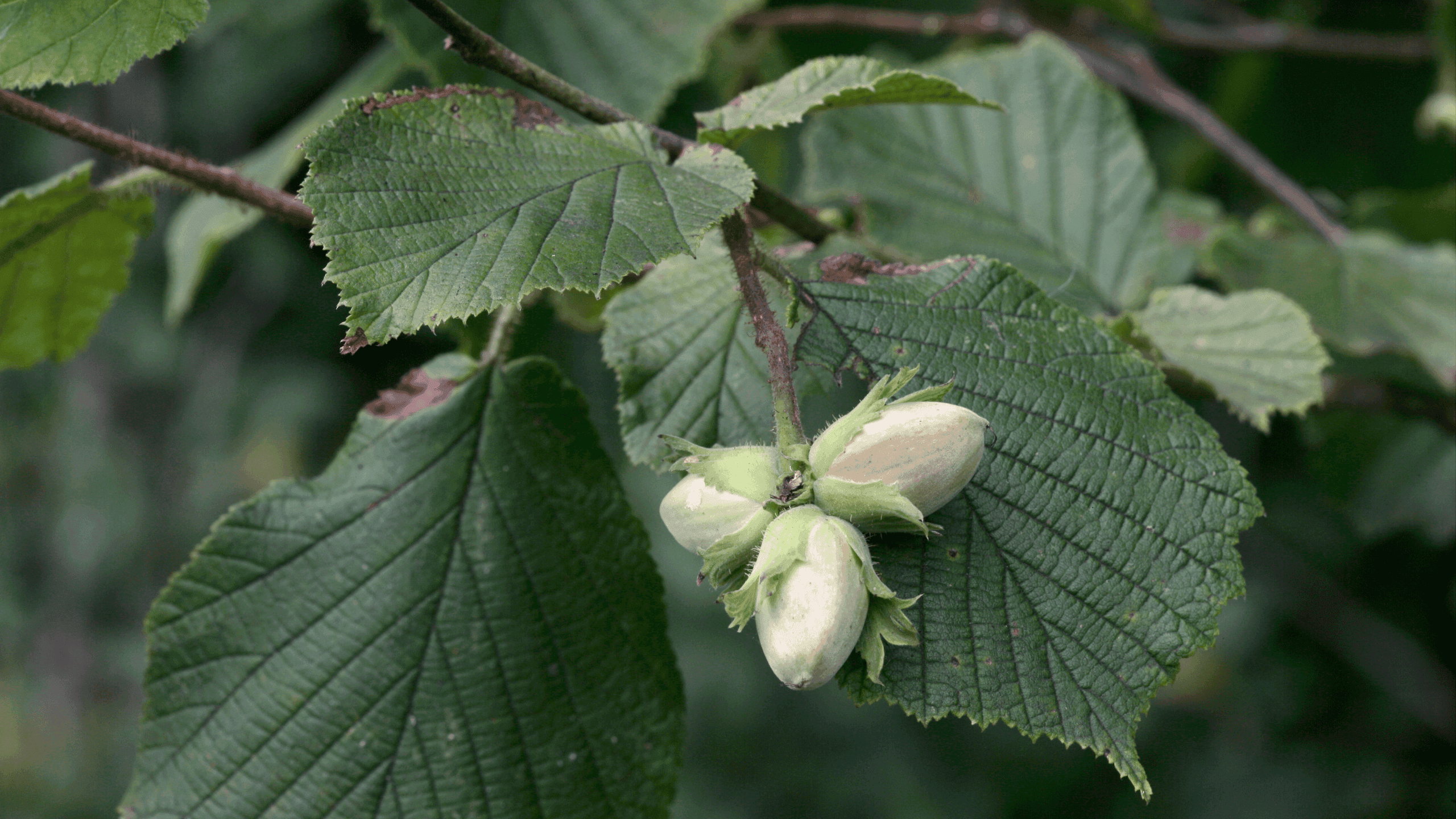
Hazel is a deciduous shrub or small tree from the birch family (Betulaceae). It is widely distributed in Croatia, both in the wild (forest edges, thickets) and cultivated for its delicious nuts.
What makes hazel "dangerous" for allergy sufferers is its early reproductive cycle. Male hazel flowers appear in the form of hanging catkins that develop in autumn and open as soon as air temperatures rise above 0°C or 5°C. Due to climate change, in recent years we have noted hazel blooming as early as mid-January. Its grains are small, light, and carried by the wind in huge quantities. Since there is no other greenery during this period to "filter" the air, pollen from hazel travels freely for miles, reaching directly into our homes and airways.
Symptoms of hazel allergy: How to distinguish it from a cold?
Many patients spend weeks drinking teas and cough syrups, thinking they have a persistent winter virus, when in fact it is allergy. Here are the key differences:
Itching as the main indicator: If your eyes, nose, or throat itch, it is almost a sure sign of an allergic reaction. Cold viruses rarely cause itching.
Sneezing in bursts: Allergic sneezing is explosive and often occurs multiple times in a row (5-10 times).
Clear discharge: In hazel allergy, nasal discharge is always watery and clear. If it becomes thick and yellowish, it is more likely an infection.
Absence of fever: Allergies never cause elevated body temperature.
Duration: A cold lasts for 7 days. Symptoms caused by hazel last as long as the tree is in bloom, sometimes up to six weeks.
Allergy Croatia: Where is hazel most active?
Croatia is botanically very diverse, but hazel is present almost everywhere. However, the intensity of exposure varies by region:
Continental Croatia (Zagreb, Slavonia, Zagorje): These are areas with the highest concentration of hazel. Due to the wetter soil and continental climate, hazel thrives here. City dwellers often experience stronger symptoms due to the synergy of pollen and urban smog.
Mountainous Croatia (Lika and Gorski Kotar): Here, the season is delayed by about ten days compared to the lowlands, but the concentration of pollen in clean air is extremely high.
Coastal and Dalmatia: Although other allergens like cypress dominate, hazel is present in the hinterland, and its pollen map for coastal areas often shows moderate levels in early spring.
Connection with other allergens: The Birch Family
If you are allergic to hazel, there is a high probability that your symptoms will continue later in spring. Hazel belongs to the same family as alder and birch. Since their proteins are very similar, the body often reacts to all three types (so-called cross-reactivity).
This means that your "allergic marathon" starts with hazel in January, continues with alder in February, and ends with the strongest impact of birch in April. Only then does a short lull occur before grasses take the stage and, finally, ambrosia.
Cross Allergies to Food (Oral Allergy Syndrome)
Interestingly, people allergic to hazel pollen often have problems with certain foods. These are most commonly:
Hazelnuts: This is logical, but reactions can also occur to walnuts or almonds.
Stone fruits: Apples, pears, peaches, and cherries.
Vegetables: Carrots and celery.
If you feel a tingling in your mouth or swelling of the lips after eating an apple in February, it is a clear sign that your immune system is confusing apple proteins with hazel pollen proteins. Cooking the fruit usually destroys these proteins, so baked apples do not cause problems for most patients.
How to survive the season: Practical tips
Fighting against an invisible enemy requires discipline. Here’s how to protect yourself:
1. Use the pollen map
Pollen map tells you when the concentration is low (green), moderate (yellow), or high (red). When it’s "in the red," avoid being outdoors, especially in the morning.
2. Hygiene is half health
Pollen grains stick to hair and clothing.
Shower in the evening: This will wash off pollen and prevent it from entering your bed.
Change clothes immediately upon entering the apartment: Do not leave the clothes you wore outside in the bedroom.
Dry laundry indoors: During February and March, do not dry laundry outside; wet fabric acts as a magnet for pollen particles.
3. Protect your home and eyes
Wear sunglasses when outdoors as they act as a physical barrier. Keep windows closed at home, especially on windy days. Air conditioners with quality filters can help purify the air indoors.
4. Proper therapy
Do not wait for symptoms to become unbearable. Antihistamines (allergy medications) work best if taken a few days before the expected peak of flowering. Eye drops and nasal sprays with corticosteroids (upon doctor's recommendation) can significantly reduce mucosal inflammation.
The future of allergies in Croatia and climate change
Scientific data shows that the hazel season has shifted nearly 15 days earlier over the past 30 years. Due to global warming, plants produce more pollen than before, and the flowering season lasts longer. This means that the flowering periods of trees (hazel, alder, birch) are beginning to overlap, creating a "cocktail" of allergens that is extremely difficult for patients.
In Croatia, efforts are being made to educate and timely inform citizens, but individual responsibility and recognizing symptoms remain the most important factors in combating these chronic ailments.
Conclusion
Hazel allergy is more than just "spring sneezing" in January. It is the first sign that nature is waking up, but also a signal for patients to start their protective routine. Although hazel is not as well-known as ambrosia, its ability to spoil our winter joys should not be underestimated.
Follow how the pollen map moves, listen to your body, and do not ignore symptoms thinking they are just "annoying colds." With the right therapy and a little caution, even the hazel season can pass with minimal discomfort. Respiratory health is the foundation of your energy, so protect it from the first day of flowering.
Track pollen levels in your city in real time
Check pollen map