Alder Allergy: Everything You Need to Know About the First Harbinger of Pollen Season
While most people associate the end of winter and February with cold weather and the anticipation of the first snowdrops, for thousands of citizens, this period marks the beginning of serious health issues. Although the media often highlights ragweed, which dominates in late summer, the season in our regions actually begins much earlier. The first real challenge for the immune system is the pollen from the alder tree.
Alder allergy often surprises patients as its symptoms appear when temperatures are still low, and snow has not yet melted in some places. In Croatia, where native species of alder cover large areas along rivers and streams, this allergen poses a significant problem. Understanding the dynamics of flowering, recognizing symptoms, and regularly monitoring tools such as the pollen map are key steps for anyone who wants to "survive" early spring without tears and sneezing.
What is Alder and Why is Its Pollen So Aggressive?
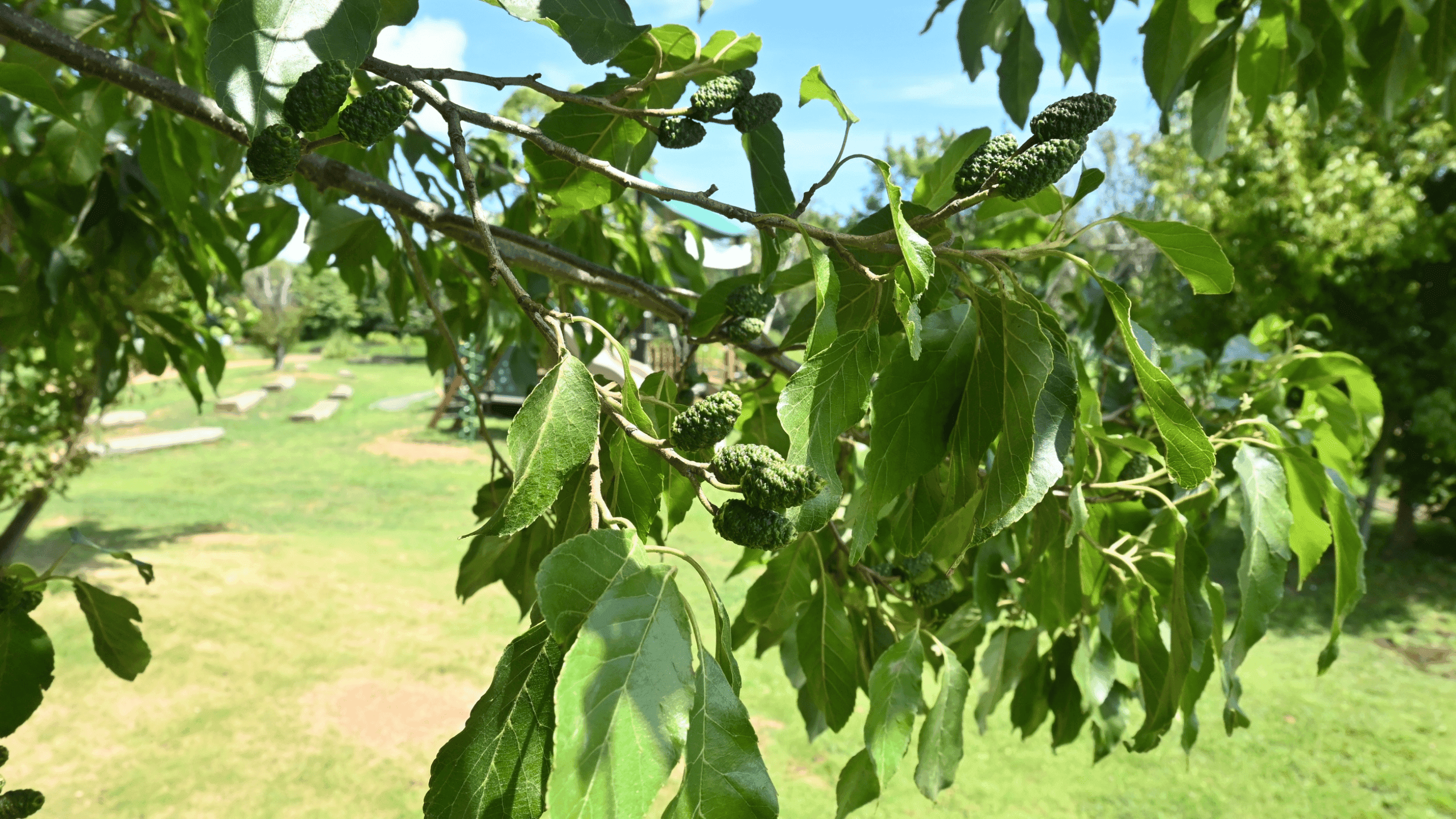
Alder (Alnus) is a genus of trees in the birch family (Betulaceae). In Croatia, the most common species are black alder (Alnus glutinosa), which prefers wet habitats along lowland rivers, and grey alder (Alnus incana), found in hilly areas.
What makes alder specific is its exceptional biological activity at low temperatures. Its catkins (male flowers) begin to release pollen as soon as daily temperatures rise above zero. Since alder flowers before it leafs out, the wind easily carries large quantities of pollen grains over long distances. Due to the high concentration of allergenic proteins, alder is considered one of the strongest early tree allergens.
Symptoms: Is It a Winter Cold or Allergy?
Due to the timing of its appearance (February and March), alder allergies are often mistaken for late winter viral infections. However, there are clear signs indicating that it is a pollen reaction:
Sudden sneezing attacks: Sneezing occurs in bursts, often immediately after leaving the house.
Watery nasal discharge: The nose runs "like water," and the mucous membrane is significantly swollen.
Itching and redness of the eyes: Conjunctivitis is very common and uncomfortable with alder.
Itching in the throat and ears: A characteristic sign that viral colds rarely cause.
Shortness of breath: In individuals with sensitive bronchi, alder can trigger early symptoms of allergic asthma.
If symptoms last longer than two weeks and you do not have a fever, it is almost certain that it is an allergy.
Allergy Croatia: Where is Alder Most Present?
Thanks to its wealth of waters and forests, Croatia is an ideal habitat for alder.
Continental Croatia (Posavina, Podravina, Međimurje): Along the Sava, Drava, and Mura rivers are the largest black alder forests. Residents of these areas often record the highest levels of pollen in the air as early as mid-February.
Gorski kotar and Lika: Here, alder blooms somewhat later due to altitude, but its presence in the clean mountain air is very pronounced.
The City of Zagreb: Although an urban environment, Zagreb is surrounded by wet areas (Savica, Jarun, the vicinity of Samobor) where alder thrives, and the wind brings pollen directly into the city center.
During this period, the pollen map for continental Croatia often shows orange or red for trees, with alder (along with hazel) being the main culprit.
Connection with Birch: Cross-Reaction
It is important to note that alder and birch are close botanical "relatives." This means that their pollen grains contain very similar proteins. If you are allergic to alder, there is a high likelihood that you will also react to birch, which blooms somewhat later (April).
Also, be cautious with food. People allergic to alder may experience itching in the mouth (oral allergy syndrome) when consuming:
Hazelnuts and walnuts
Apples and pears
Peaches and cherries
Celery and carrots
This phenomenon intensifies precisely when the pollen from alder is in the air, as the immune system is already overloaded at that time.
How to Prepare: 5-Step Combat Strategy
Since alder "opens" the season, your preparation must begin while it is still winter on the calendar.
1. Monitor the Bioprognoza and Pollen Map
Don’t let the first warmer days catch you off guard. The Pollen Map is your most important source of information. As soon as you see that low or moderate concentrations of alder are appearing, it’s time to implement preventive measures.
2. Start Therapy Earlier
Most antihistamines work best if started 7 to 10 days before the expected peak of flowering. If you know that you always catch a "cold" in February, visit your doctor in January to get a prescription for the appropriate medications.
3. Protect Your Home and Car
Although it is cold outside, the air carries invisible particles.
HEPA filters: A air purifier in the bedroom can dramatically improve sleep quality during alder season.
Closed windows: Ventilate rooms late in the evening or shortly after rain. Avoid ventilating in the morning when alder releases the most pollen.
Filters in the car: Replace the cabin filter in your car before February to ensure a clean drive.
4. Hygiene After Being Outdoors
Alder pollen grains are sticky.
Washing hair: Rinse your hair every evening to avoid transferring pollen to your pillow.
Changing clothes: Do not keep the clothes you wore outside in the room where you sleep.
Nasal rinsing: Use saline solutions to mechanically remove the allergen from the nasal mucosa.
5. Planning Activities
If you plan outings, choose days after rain or areas with low humidity where alder is less prevalent. While later in the year, ragweed is monitored to avoid weed fields, in early spring, avoid walks right along riverbanks and wet lowland forests.
The Future of Alder Allergies and Climate Change
Statistics show that the alder season in Croatia is shifting earlier each year. Due to global warming, winters are becoming milder, prompting alder to "wake up" earlier. Sometimes, the first pollen records are noted as early as mid-January.
Additionally, the increased concentration of CO2 in the atmosphere causes plants to produce more pollen with stronger allergenic potential. This means that allergies are becoming more intense and harder to treat than a few decades ago. Today, the "season" for the average patient in Croatia lasts almost nine months – from alder in February to ragweed in October.
Conclusion
Alder allergy is often underestimated because it occurs at an "unnatural" time for flowering, but for those affected, it marks the beginning of a months-long battle. Timely information, knowledge of the terrain, and the use of digital tools such as the pollen map can greatly ease the first months of the year.
Do not ignore symptoms thinking it is just a common cold. With the right approach, early therapy, and avoiding direct contact with the allergen, you can enjoy the first sunny days of February without tissues in hand. Respiratory health starts with prevention, and in the case of alder, that prevention starts immediately.
Track pollen levels in your city in real time
Check pollen map