Birch Allergy: Everything You Need to Know About the Queen of Spring Allergens
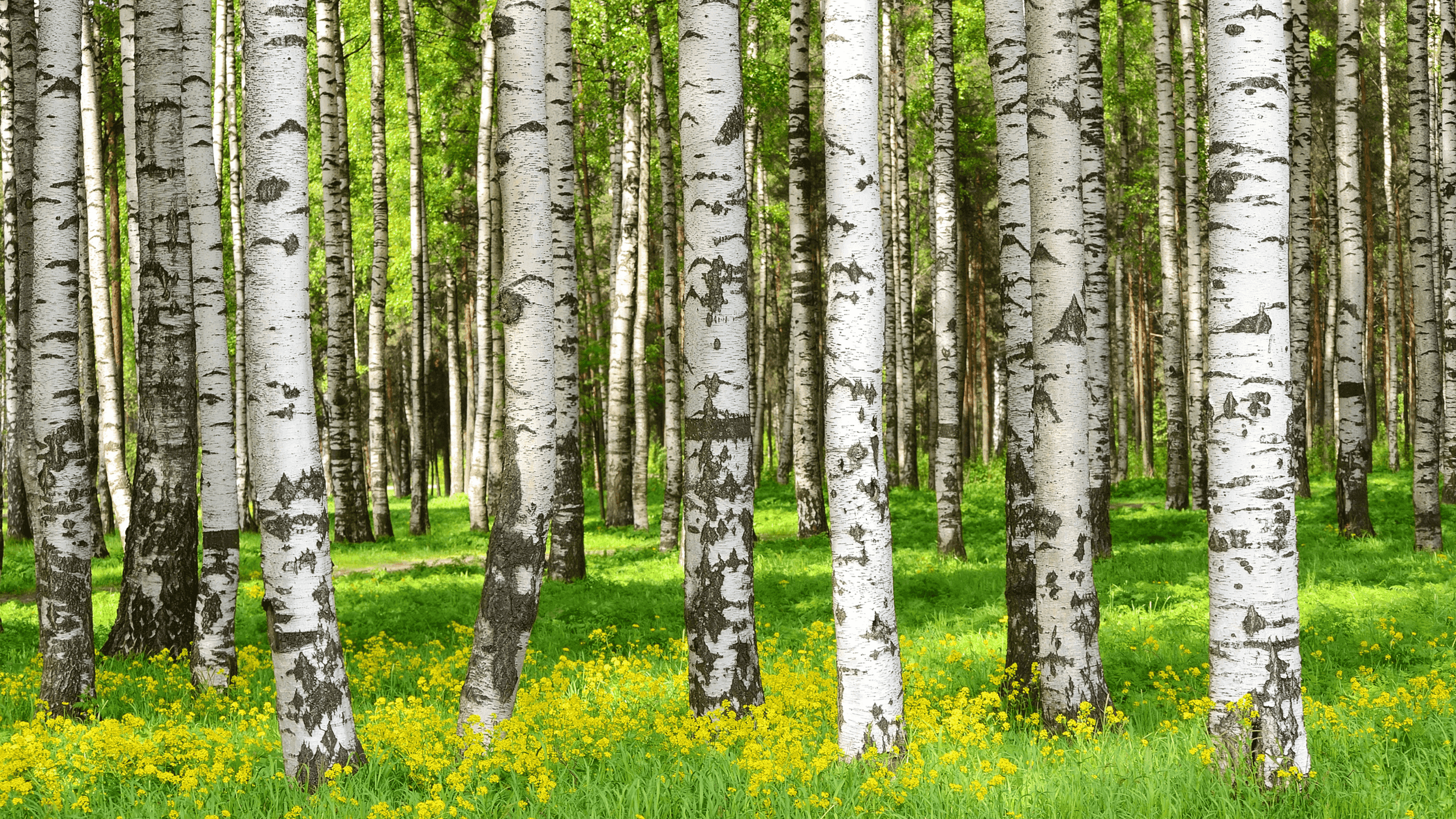
As nature awakens and parks in Croatia begin to green, for hundreds of thousands of people, this marks the start of the most challenging time of the year. Although ambrosia is synonymous with autumn woes, birch allergy (Betula) is considered the most significant cause of pollen-related issues in spring. Due to its exceptional aggressiveness and widespread presence, birch dominates reports mentioning allergy Croatia, and its pollen grains fill allergist waiting rooms year after year.
Birch is not just an ornamental tree with white bark that adorns our forests and yards; it is a powerful pollen producer whose effects can be felt kilometers away. Understanding how birch affects your body, monitoring tools like the pollen map, and timely medical preparation are the only paths to a spring free from constant sneezing and watery eyes.
Birch Biology: Why is its Pollen So Aggressive?
Birch is a "wind-pollinated" plant, meaning it relies solely on air currents for pollination. A single mature birch can produce an astonishing several million pollen grains in just one season. These grains are microscopically small, lightweight, and aerodynamic, allowing them to float in the air for days and travel distances of over 100 kilometers.
The main problem with birch is the protein Bet v 1. Our immune system in hypersensitive individuals recognizes this protein as a dangerous intruder, triggering a cascade reaction that releases histamine. It is the high concentration of this specific protein that makes birch allergies often much more intense than those to other trees like hazel or oak.
Symptoms: How to Recognize Birch Allergy?
Symptoms usually appear suddenly as soon as the characteristic catkins (male flowers) appear on birch branches. The classic clinical picture includes:
Allergic rhinitis: Intense sneezing in bursts, abundant watery nasal discharge, or a feeling of complete nasal congestion.
Allergic conjunctivitis: Intense itching of the eyes, redness, tearing, and swelling of the eyelids.
Lower respiratory tract irritation: Dry cough, tightness in the chest, and difficulty breathing. For individuals with asthma, birch is one of the most dangerous triggers.
Allergic fatigue: Due to the constant inflammatory response in the body, patients feel exhausted, have difficulty concentrating, and often suffer from headaches.
Unlike a common cold, these symptoms can last for weeks as long as birch pollen is floating in the air.
Allergy Croatia: Where and When is it Worst?
Croatia is located in a zone where birch is extremely prevalent, but the intensity of exposure varies depending on geographic location:
Continental Croatia (Zagreb, Slavonia, Zagorje): This is a "hot zone" for birch. Here, the season usually begins in late March and peaks in mid-April. Zagreb regularly finds itself in the red zone when observing the pollen map for trees.
Mountainous Croatia (Lika and Gorski Kotar): Due to the cooler climate, flowering here is delayed by 10 to 14 days compared to the lowlands, but the pollen concentration is very high due to the large number of natural birch forests.
Coastal and Dalmatia: Birch is not a native plant in Dalmatia, so the local residents are spared from direct flowering. However, the wind can bring pollen from the hinterland, and many tourists from the interior flee to the coast precisely in April to avoid the strongest impact.
Cross-Reactive Allergies: The Connection Between Birch and Apple
One of the most interesting yet unpleasant aspects of birch allergy is the oral allergy syndrome (OAS). As many as 50% to 70% of individuals allergic to birch will experience tingling or swelling of the lips and throat after eating certain fresh fruits or vegetables.
This occurs because the proteins in some fruits are structurally similar to the protein Bet v 1. Your immune system simply "confuses" apple with birch. The most common foods that trigger cross-reactions are:
Fruits: Apple, peach, nectarine, pear, cherry, kiwi.
Nuts: Hazelnut (the most pronounced connection), almond, walnut.
Vegetables: Carrot, celery, raw potato.
The good news is that cooking (boiling, baking) destroys these proteins, so pasteurized juice or apple pie usually does not cause problems.
How to Read the Pollen Map and Plan Your Day?
If you live in Croatia, the pollen map is your most important ally. It displays pollen levels in three colors:
Green (low): Only the most sensitive individuals feel symptoms.
Yellow (moderate): Most allergy sufferers experience pronounced issues.
Red (high): All allergy sufferers have strong symptoms; staying indoors is recommended.
It is important to know that the concentration of birch pollen is highest during sunny and windy days, especially in the morning hours. Conversely, rain washes pollen out of the air, so the hours immediately after rain are ideal for going outside or ventilating your home.
5 Steps to Easier Breathing During Birch Season
Although you cannot remove birch from the environment, you can drastically reduce its penetration into your life:
1. Hygiene After Being Outside
Pollen grains are sticky and accumulate on your body. As soon as you enter the house, change your clothes and be sure to wash your hair before going to bed. If you don't, you will breathe in the pollen you "brought" from outside all night long onto your pillow.
2. Managing Your Home Microclimate
Keep windows closed during the day. If you ventilate, do so between 10 PM and 4 AM when pollen levels are lowest. Use air purifiers with HEPA filters designed to capture even the smallest birch grains.
3. Protecting Your Eyes and Nose
Wear sunglasses whenever you are outside as they act as a physical shield. Additionally, regularly rinsing your nasal mucosa with saline solution or seawater can mechanically remove accumulated pollen before it causes inflammation.
4. Timely Therapy
Do not wait for symptoms to become unbearable. Antihistamines work best if taken 7 to 10 days before birch starts to bloom. Consult your doctor about using intranasal corticosteroids, which are the gold standard for calming nasal mucosa inflammation.
5. Immunotherapy: A Long-Term Solution
If your birch allergies are becoming increasingly severe each year, consider desensitization (immunotherapy). This is a process in which the body is "taught" with small doses of the allergen to stop reacting to birch. Although the process takes several years, it is the only way to treat the root cause rather than just alleviate symptoms.
The Future of Birch Allergies and Climate Change
Statistics in Croatia show that the birch flowering season is shifting to earlier dates. Due to global warming, winters are milder, and springs come faster. Additionally, increased CO2 levels act as fertilizer for trees, encouraging them to produce even more pollen. This means that the fight against spring allergies will be even more challenging in the future, making prevention and education more important than ever.
Conclusion
Birch allergy is a serious condition that affects quality of life, sleep, and productivity. However, with the proper use of tools like the pollen map, discipline in hygiene, and modern medical therapy, symptoms can be kept under control.
Do not let the most beautiful time of the year pass you by indoors. Recognize the signals your body is sending you, prepare in advance, and remember – knowledge about how birch pollen works is your best defense. Nature is beautiful, and with a little caution, you can enjoy it even when birch is in full bloom.
Track pollen levels in your city in real time
Check pollen map