Ragweed Allergy: The Queen of Weeds and How to Survive Its Peak Phase
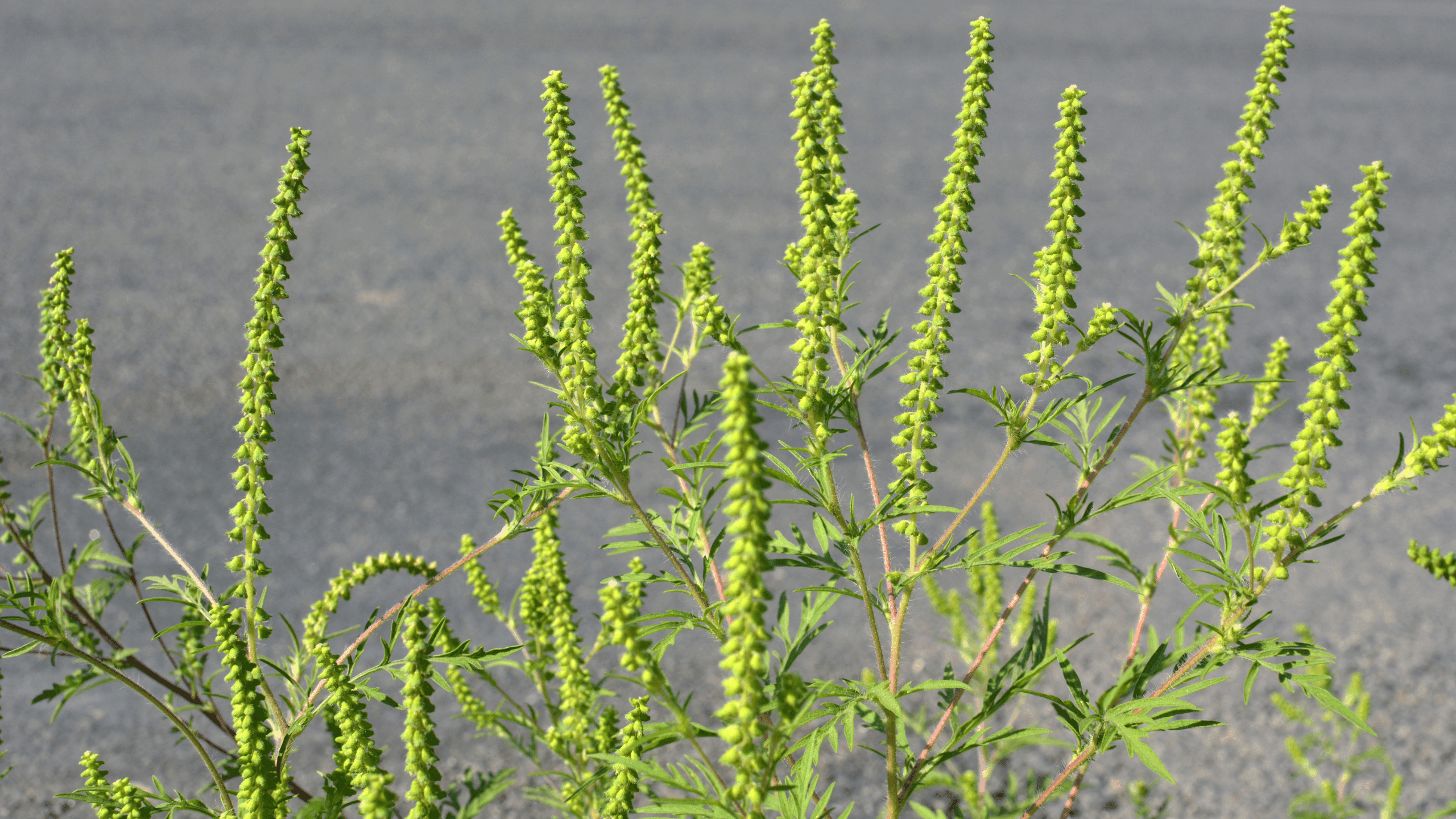
When the calendar steps into August, while most people prepare for summer vacations or enjoy warm summer evenings, hundreds of thousands of citizens in Croatia enter their toughest period of the year. The reason is an unassuming plant – Ambrosia artemisiifolia. Ragweed allergy is not just an ordinary seasonal nuisance; it is an intense battle of the immune system against the strongest natural allergen of our region.
In Croatia, especially in its continental part, ragweed has become the number one public health problem. While spring pollen from trees and grasses causes issues for many, ragweed holds the title of "queen of weeds" due to its incredible aggressiveness and the amount of pollen it releases. If you suffer from unstoppable sneezing, itchy eyes, and difficulty breathing at the same time every year, you are not alone.
Why is ragweed so dangerous?
Ragweed is an invasive weed that originates from North America and arrived in Europe as a "stowaway" in the mid-19th century. What makes it the queen of allergens is its biological power. A single mature plant can produce more than a billion pollen grains.
Its grains are extremely light and possess aerodynamic properties that allow them to travel distances of several hundred kilometers with the help of the wind. This means that even if there is no ragweed in your immediate vicinity, pollen can arrive from neighboring regions or countries. Additionally, ragweed grains have small "hooks" on their surface that easily attach to the mucous membranes of the respiratory tract, triggering an immediate and strong inflammatory response.
Symptoms you must not ignore
Ragweed allergies often manifest more strongly than other pollen allergies. The most common symptoms include:
Allergic rhinitis: Repeated sneezing (often in bursts of 10 to 20 times), abundant watery nasal discharge, or complete nasal congestion.
Conjunctivitis: Redness, tearing, and unbearable itching of the eyes.
Allergic cough and asthma: A feeling of tightness in the chest, "wheezing" while breathing, and a dry cough that worsens at night.
General fatigue: Due to constant inflammation and poor sleep, patients often feel exhausted, a condition referred to as "allergic fatigue".
Croatia: Where is it the worst?
Unfortunately, Croatia is one of the hotspots for ragweed in Europe. Geographically, the situation varies drastically from north to south:
Pannonian Plain (Slavonia and Baranja): This is the epicenter. Fertile land and neglected agricultural areas are ideal habitats for ragweed. Cities like Osijek and Vukovar regularly record extremely high concentrations.
Central Croatia and Zagreb: The wider area of Zagreb, including its surroundings and Samobor, records an increase in pollen concentrations every year. The Pollen Map for this area in August is almost always in the "red".
Coastal Areas and Islands: Dalmatia and Istria have long been safe zones, but due to climate change and wind transport of pollen, ragweed is slowly spreading south, although concentrations there are still significantly lower than on the continent.
How to read the pollen map and plan your day?
If you suffer from allergies, your first morning activity should be checking the air quality. The Pollen Map, regularly updated by public health institutes, is a crucial tool for navigating through the season.
Low concentration (green): Only extremely sensitive individuals will experience mild symptoms.
Moderate concentration (yellow): Most allergy sufferers will feel symptoms. It’s time for regular therapy.
High concentration (red): All patients experience pronounced discomfort. Avoiding outdoor activities is recommended.
Very high concentration (dark red): Critical condition. Going outside without urgent need is not advised.
Remember, ragweed pollen concentration is highest in the morning hours (between 5 and 10 AM) and during sunny, windy days. Rain is your best friend as it "washes" the air, so the hours after a downpour are ideal for walking or ventilating your apartment.
Survival Strategy: Practical Tips
To get through the peak flowering phase of ragweed, it is necessary to combine medical therapy with lifestyle changes.
1. Hygiene as a Shield
Pollen is invisible dust that sticks to everything.
Showering and washing hair: Be sure to rinse your hair every evening before bed. If you don’t, pollen from your hair transfers to your pillow and you inhale it all night.
Changing clothes: After returning from outside, immediately remove your clothes and put them in the wash. Do not leave them in the bedroom.
Drying laundry indoors: Never dry bedding or clothes outside during August and September. Wet laundry acts as the finest filter that will collect all pollen from the air.
2. Space Isolation
Closed windows: Keep windows closed during the day. If you don’t have air conditioning with HEPA filters, ventilate the room only briefly, late in the evening or after rain.
Driving with air conditioning: Always use air recirculation in the car and ensure that the pollen filters (so-called pollen filters) are replaced before the season.
3. Medical Help
Do not try to "tough it out" with symptoms.
Antihistamines: These medications block the action of histamine. It’s best to start taking them 10-14 days before ragweed starts to bloom (usually around August 1).
Intranasal corticosteroids: Nasal sprays that reduce mucosal inflammation. They are most effective for long-term control of symptoms.
Nasal rinsing: Use nasal rinsing systems with seawater or saline solution several times a day. This mechanically removes pollen grains from the mucosa.
Cross-Reactions: Why Does My Throat Burn from Melon?
An interesting and often confusing phenomenon with ragweed allergy is cross-reactions to food. Since the proteins in ragweed pollen are similar to proteins in certain foods, your immune system can "get confused".
If you are allergic to ragweed, during August and September you may experience a burning sensation in your mouth or swelling of the lips after consuming:
Watermelon
Melon
Banana
Zucchini
Chamomile tea
This phenomenon is called oral allergy syndrome and usually subsides as soon as the blooming season ends.
The Importance of Suppression: A Civic Duty
The fight against ragweed in Croatia is not only personal but also a legal obligation. Landowners are required to remove ragweed from their properties before it starts to bloom. The most effective method is to pull the plant out with its roots while it is still young (in June and July) or regular mowing.
If you notice large habitats of ragweed in public areas, report them to the municipal inspection. Every destroyed plant means a billion pollen grains less in the air we breathe.
Conclusion
Surviving the peak phase of ragweed requires discipline and good information. Although allergy to this weed is exhausting, the right combination of medications, monitoring tools like the Pollen Map, and strict hygiene can significantly alleviate symptoms.
Don’t let the queen of weeds dictate your life. Take control and prepare in time.
Track pollen levels in your city in real time
Check pollen map