Alphabet of Allergens: What Are Allergens and How Do They Enter Our Body?
Nowadays, it is almost impossible to walk through a park or open a window in spring without hearing someone sneeze or complain about "heavy air." Allergy has become one of the most common chronic diseases of modern times, and it is estimated that by 2050, every second resident of Europe will have some form of hypersensitivity. However, to successfully fight this enemy, we first need to understand its basics.
What are these invisible attackers we call allergens? Why does the body react to ordinary pollen as if it were a dangerous virus? In this article, we decipher the alphabet of allergens, explore the specifics of the term allergy, and explain the pathways through which these microscopic particles penetrate our system.
What is an allergen?
An allergen is any substance that our immune system recognizes as a foreign body and reacts to with an excessive defensive response. For most people, these substances are completely harmless, such as dust, cat hair, or grass pollen, and pose no threat. However, in individuals with a genetic predisposition or developed sensitivity, the immune system produces specific antibodies (IgE) to "destroy" the intruder.
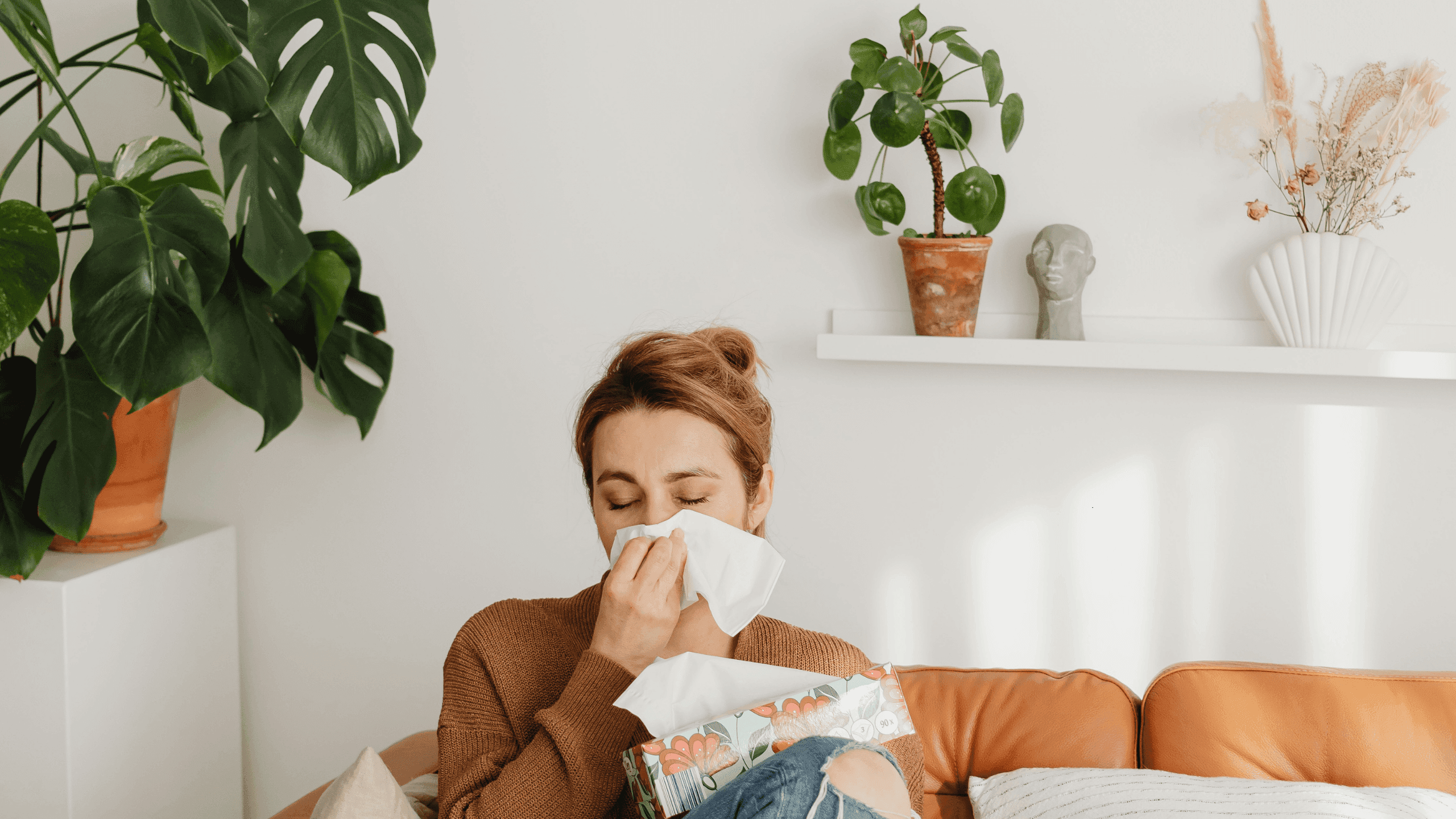
The result of this battle is the release of histamine, a chemical that causes the well-known symptoms: swelling of the mucous membranes, tearing of the eyes, itching, and a runny nose. Thus, allergies are not caused by the allergen itself, but by the way our body interprets its presence.
Types of allergens: From nature to plate
Allergens can be divided into several key groups, depending on where they are located and how we come into contact with them.
1. Inhalant allergens (Allergens we breathe)
This is the most widespread group that causes seasonal and year-round problems.
Pollen: Microscopic grains released by plants for reproduction. We divide them into tree pollen (spring), grass (summer), and weed (autumn).
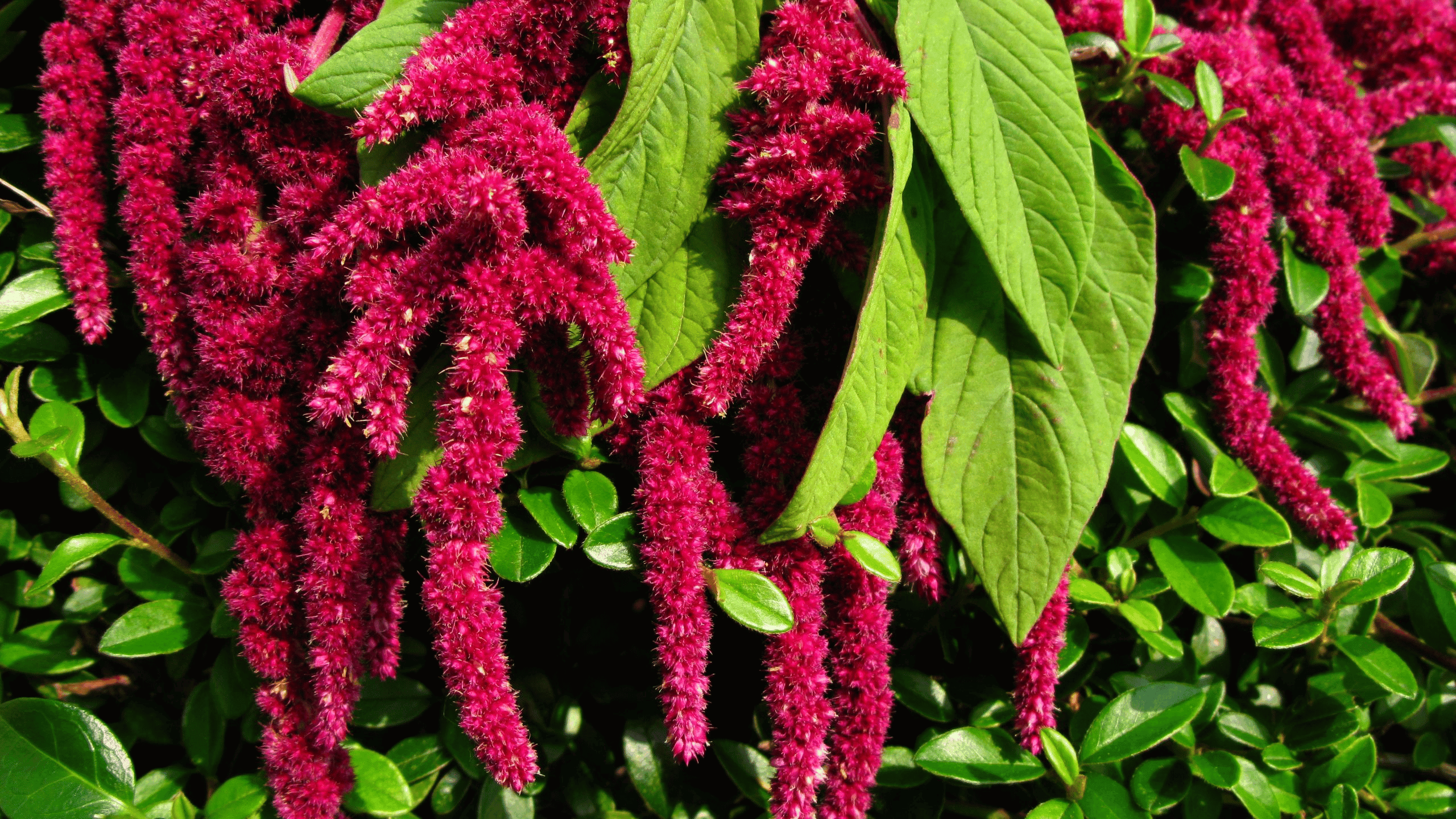
Ragweed: The absolute "champion" among allergens in the continental part of Croatia. Its grains are so small and light that the wind can carry them for hundreds of kilometers.
Dust mites and household dust: The main causes of year-round issues in enclosed spaces.
Molds: They reproduce through spores that float in damp areas or outside on decaying leaves.
2. Nutritional allergens (Food)
Food can cause severe reactions, from rashes to anaphylactic shock. The most common are peanuts, nuts, seafood, eggs, milk, and wheat.
3. Contact allergens
Substances that cause reactions upon contact with the skin, such as nickel in jewelry, ingredients in cosmetics, or latex.
How do allergens enter our body?
There are three main ways allergens penetrate and trigger the immune alarm.
Path 1: Respiratory system (Inhalation)
This is the most common entry route for pollen and dust. When we inhale, particles stick to the moist mucous membranes of the nose or throat. If the particles are small enough (like those released by ragweed), they can penetrate deep into the bronchi and lungs, causing difficulty breathing or asthma. This is why the pollen map is a crucial tool, as it tells us the density of these particles in the air we breathe.
Path 2: Digestive system (Ingestion)
When we eat something we are allergic to, allergens pass through the mucous membranes of the mouth and digestive tract. Interestingly, some people experience "oral allergy syndrome" – if you are allergic to birch pollen, your body may confuse proteins from apples with those from birch, causing your mouth to tingle as soon as you bite into the fruit.
Path 3: Skin (Absorption and contact)
The skin is our first line of defense, but if it is damaged (e.g., in atopic dermatitis), allergens can penetrate more easily. Even without damage, certain chemicals can cause local inflammation at the site of contact.
Allergy Croatia: Regional Specificities and Challenges
Due to its geographical location, Croatia is a true "battlefield" of various allergens. We distinguish three climatic zones that dictate what will fly in the air and when.
Continental Croatia (Zagreb, Slavonia, Central Croatia): Here, birch dominates in April, grasses in June, and ragweed in August and September. Due to fertile plains, the concentration of weed pollen in Slavonia is among the highest in Europe.
Coastal Croatia (Dalmatia, Istria): Here, the seasons start significantly earlier. Cypress trees bloom as early as January, and olives in May. A particular problem is the wall pellitory (Parietaria), a weed that grows from walls and rocks and blooms almost all year round.
Mountainous Croatia: Due to the cooler climate, the flowering seasons are shorter but intense, focusing on the pollen of coniferous trees and grasses.
Why is the pollen map your best ally?
Imagine going into battle without knowing how many enemies are in front of you. That is what you do if you suffer from allergy and do not check the air quality. The Pollen Map is a scientific report that shows you the concentration of certain allergens by region in real-time.
The numbers on the map (low, moderate, high level) actually indicate the number of pollen grains per cubic meter of air. For a person allergic to ragweed, the information that the concentration is "high" means they should avoid going outside in the morning, keep windows closed, and increase the therapy prescribed by their doctor.
How to reduce allergen intake into the body?
Although we cannot completely avoid them, we can drastically reduce their impact by applying simple rules:
Ventilation at the right time: Avoid opening windows early in the morning (between 5 and 10 AM) when plants release the most pollen. It is best to ventilate after rain or late in the evening.
Air filters: Use air purifiers with HEPA filters in the bedroom. They are designed to capture even the tiniest particles released by ragweed.
Hygiene after going out: As soon as you enter the house, change your clothes. Wash your hair before sleeping as it is a magnet for pollen; otherwise, you will transfer those allergens to your pillow and inhale them all night.
Rinse your nose: Using saline solution or seawater spray mechanically removes allergens from the nasal mucosa before they can trigger a reaction.
Conclusion: Knowledge is half of health
Allergy is not something we should passively accept and suffer from. Understanding the "alphabet of allergens," from what they are, how they enter our body, to the specifics of the climate in Croatia, gives us the power of control.
Keep track of how the pollen map changes, educate yourself about the plants in your environment, and do not ignore symptoms. With modern medicine and smart behavior, allergies do not have to dictate how you spend your free time. Nature is beautiful, even with pollen in the air; we just need to know how to move safely within it.
Track pollen levels in your city in real time
Check pollen map