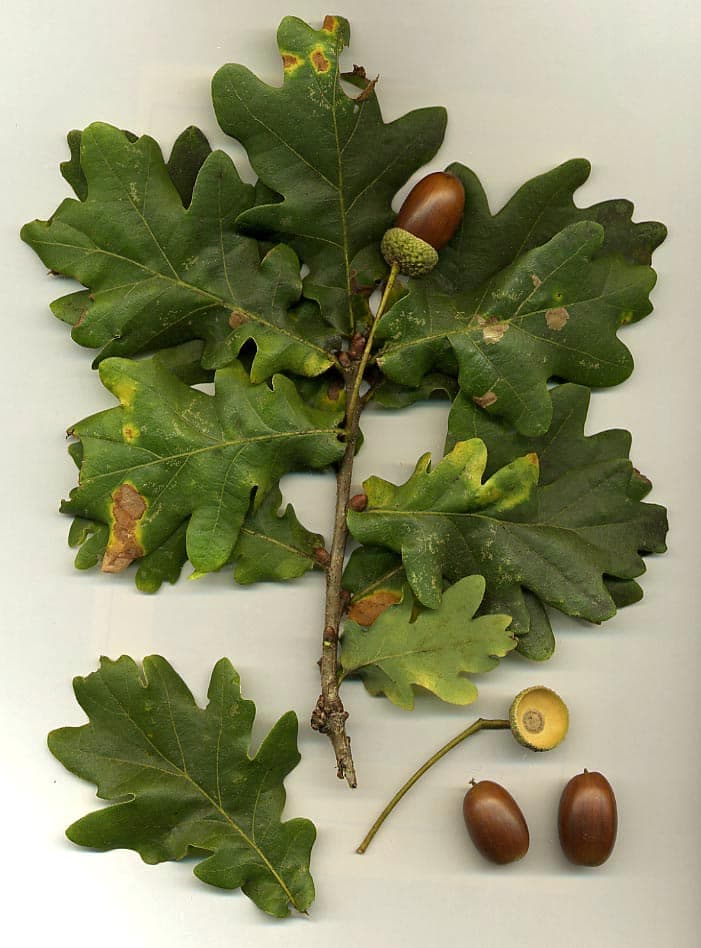
Oak allergy (Quercus) is a common late-spring allergen in continental Croatia. Oak flowers from April to May, and although its pollen is not the most aggressive, the enormous amount that a single oak releases can cause intense symptoms in allergy sufferers. In Croatia it is widespread across the entire mainland - the oak forests of Slavonia and the north-west push oak pollen to high levels every year.
Oak allergy symptoms
Symptoms of oak allergy include sneezing, a blocked nose, watery eyes, coughing and a feeling of fatigue. In sensitive people with asthma, breathing difficulties also occur. Yellow deposits of oak pollen are often visible on cars and windows in May - a visual sign of the season's peak.
Flowering season
The oak season lasts from mid-April to the end of May, peaking in early May. In Mediterranean Croatia the season is shifted 1-2 weeks earlier. Oak flowers at almost the same time as birch, creating a double 'hit' for allergy sufferers.
View the full pollen calendar 2026Regions in Croatia
Oak is the dominant tree species in continental Croatia - especially in Slavonia (the Slavonian oak forest is world-famous), the Posavina region, and the forests around Zagreb and Karlovac. In Dalmatia the holm oak (Quercus ilex) prevails - a Mediterranean allergen that flowers earlier.
View the Oak pollen mapHow to protect yourself
During May, avoid forested areas and parks with oak trees. Keep windows closed during the day and use air conditioning with a HEPA filter. Antihistamines should be on hand from late April. Be ready for yellow pollen deposits on window sills - surface hygiene helps reduce exposure.
When to see a doctor?
If symptoms of Oak allergy significantly affect your daily life, last longer than two seasons, or cause breathing difficulties, see an allergist. Allergy testing and immunotherapy can reduce sensitivity over the long term.
Cross-reactivity
Oak pollen cross-reacts with other Fagaceae species (beech, chestnut). It rarely triggers OAS reactions to food.
Learn more about cross-reactivity and oral allergy syndrome (OAS)We'll email you when oak pollen takes off
Every morning we check pollen levels. If they cross the threshold you set for your region, a free alert lands in your inbox.
Turn on free alertsNo account needed: season updates and practical tips to your inbox.
Free, and it stays free. Unsubscribe anytime.