Pollen allergens in Croatia
Detailed information on 23 pollen allergens - trees, grasses and weeds. Learn about allergy symptoms, the flowering season, regions in Croatia and how to protect yourself during pollen season.
Trees (16)
Tree pollen dominates the spring allergy season - from January (hazel) to May (oak, olive).
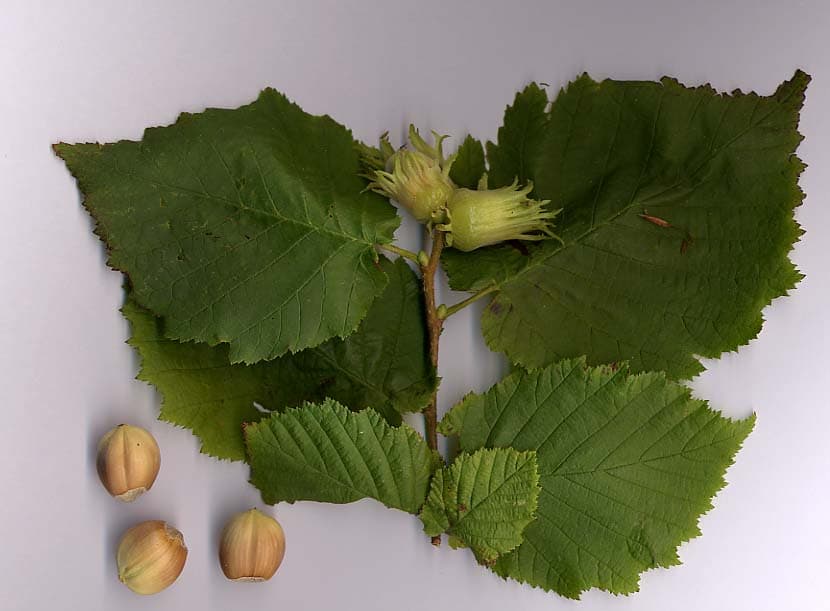
Hazel
Corylus
The earliest spring allergen, flowers from January to March
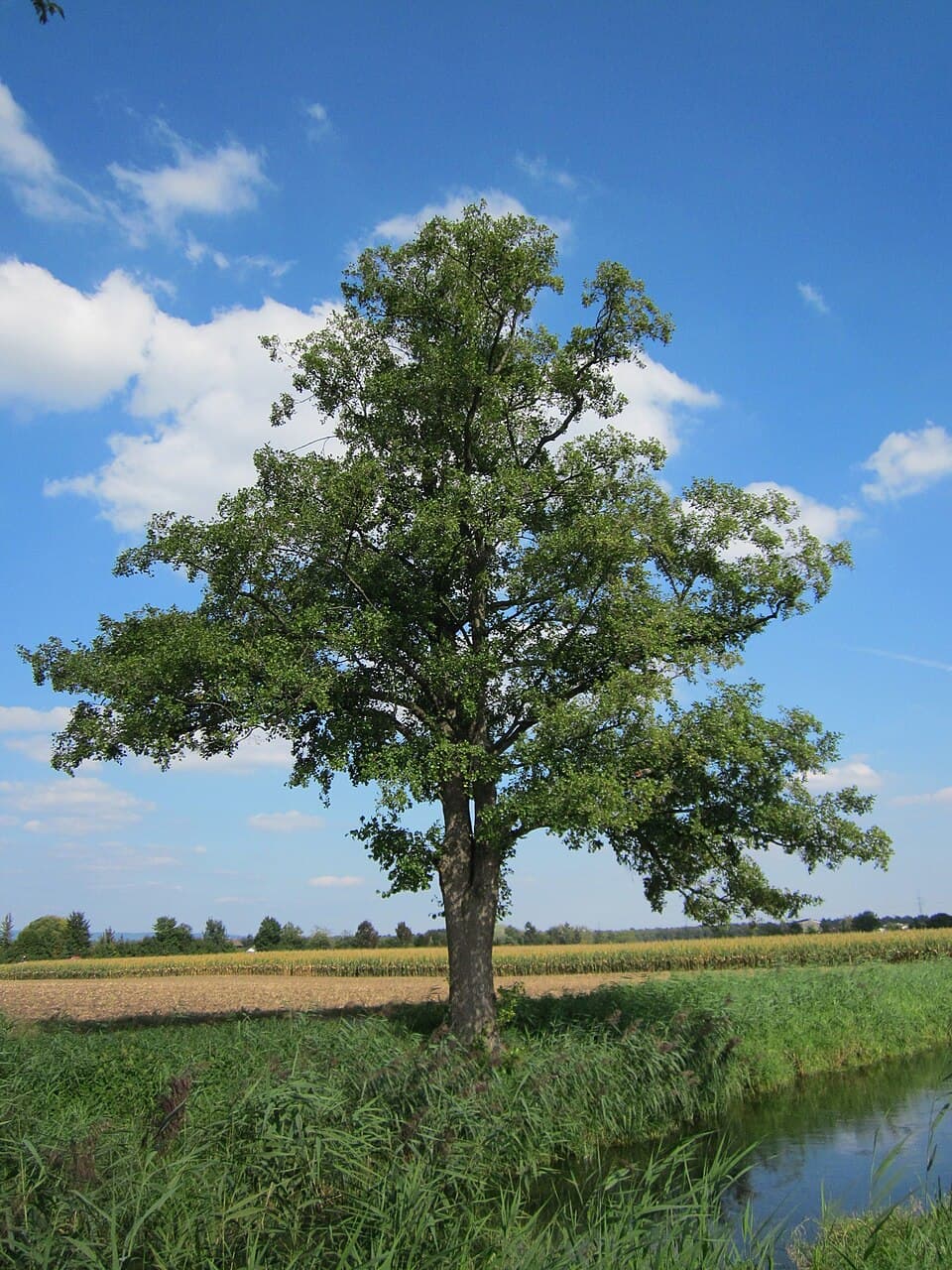
Alder
Alnus
An early spring allergen, flowers from February to April
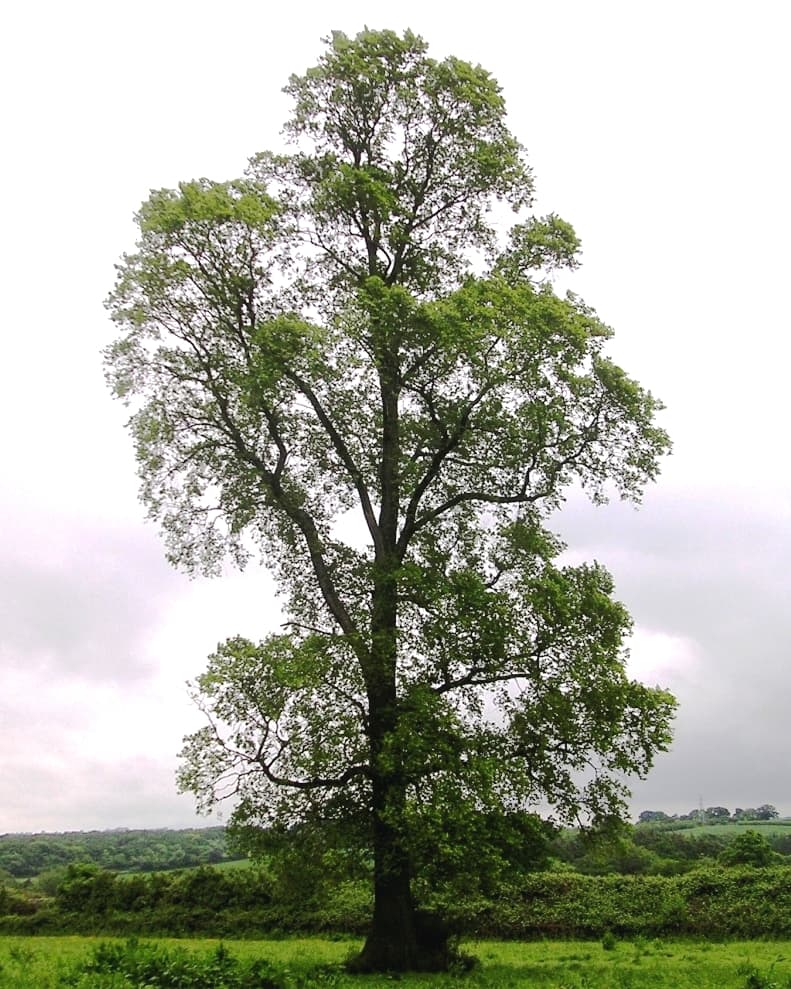
Elm
Ulmus
An early spring allergen, flowers from February to April
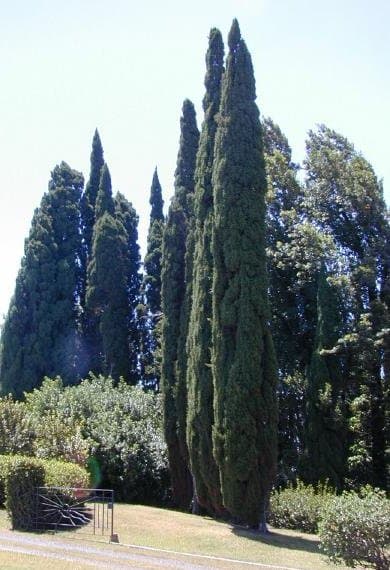
Cypress
Cupressaceae
A Mediterranean allergen, flowers from February to April
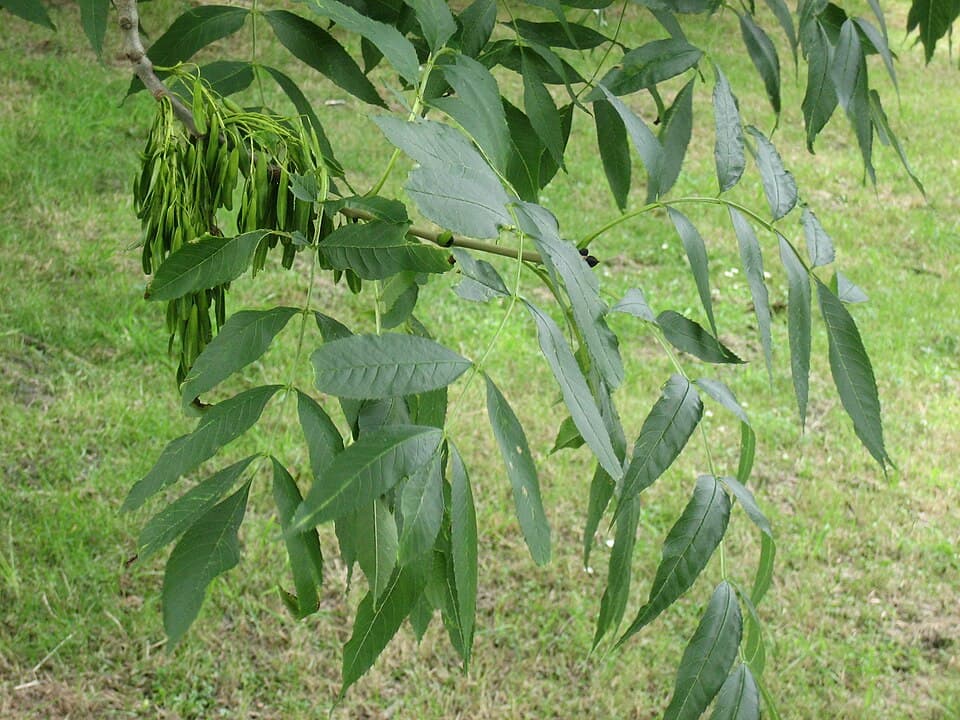
Ash
Fraxinus
A spring allergen, cross-reactive with olive
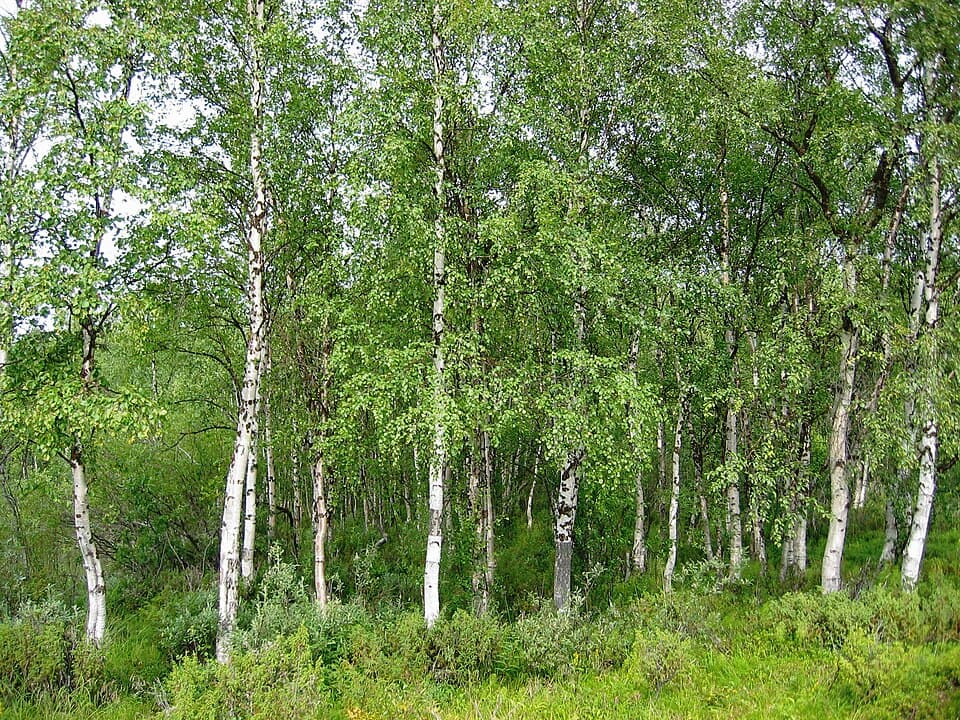
Birch
Betula
The main spring allergen, flowers from March to May
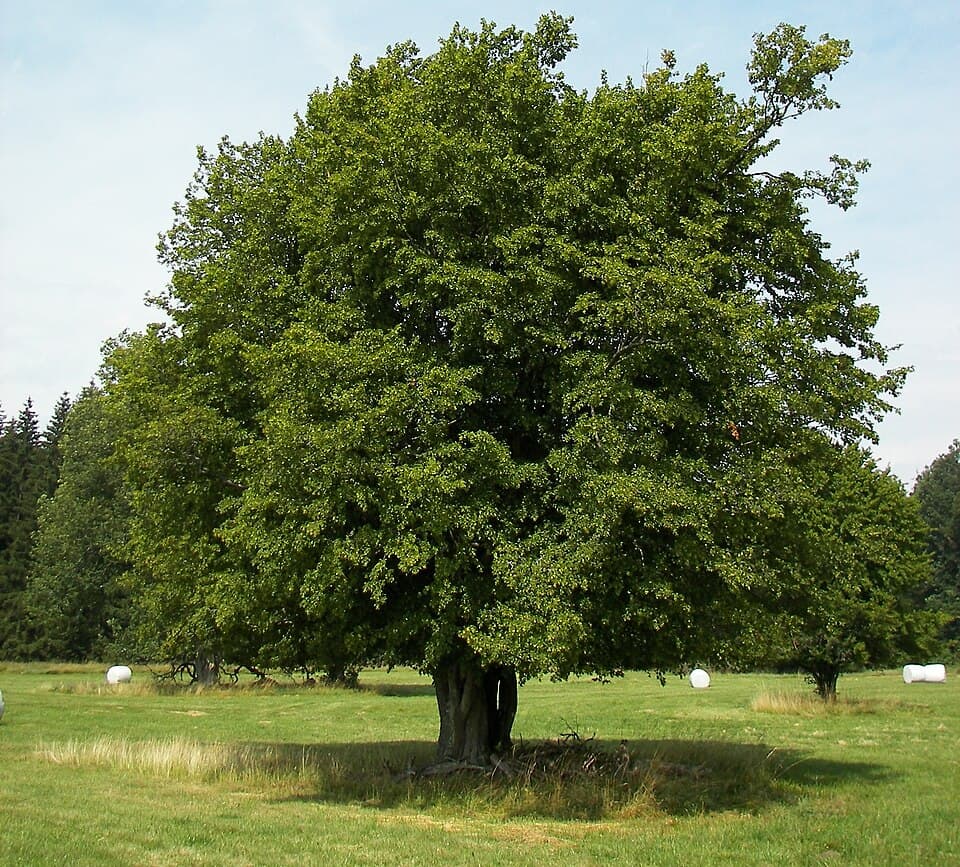
Hornbeam
Carpinus
A spring allergen, cross-reactive with birch
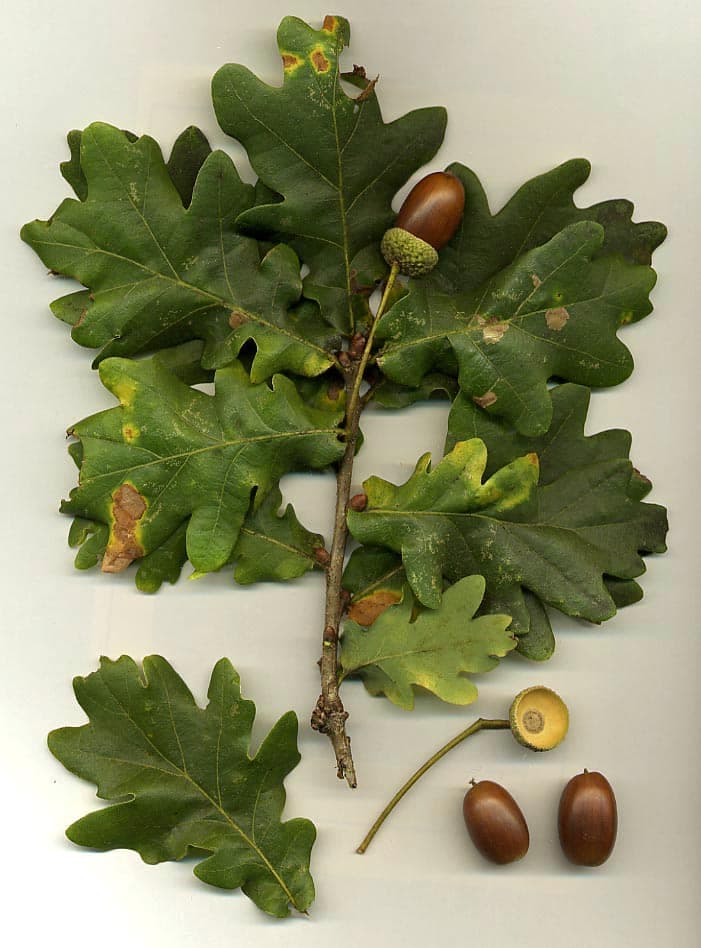
Oak
Quercus sp.
A late-spring allergen, widespread across Croatia
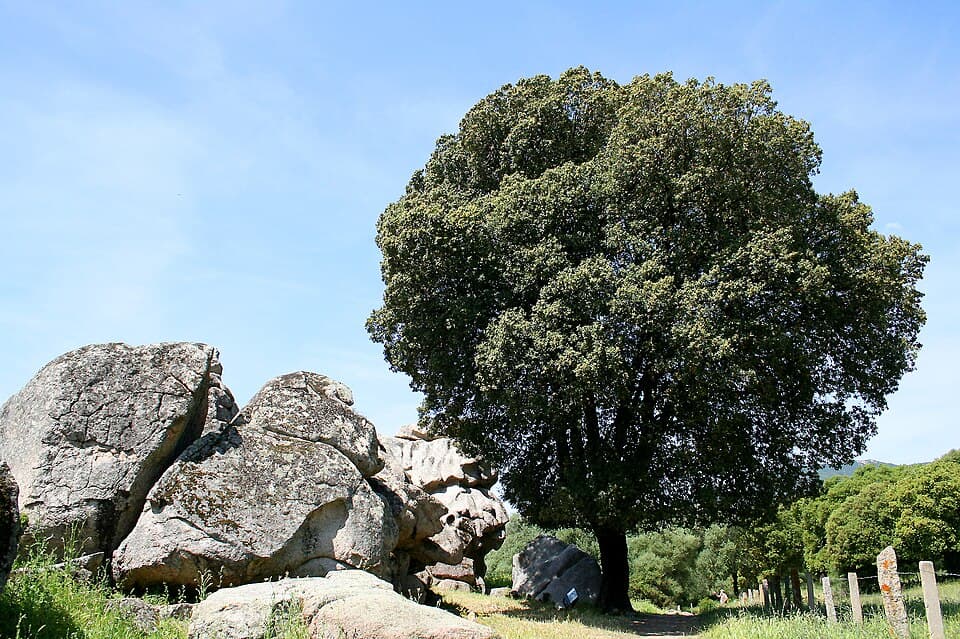
Holm oak
Quercus ilex
A Mediterranean oak, an allergen along the coast and in Dalmatia
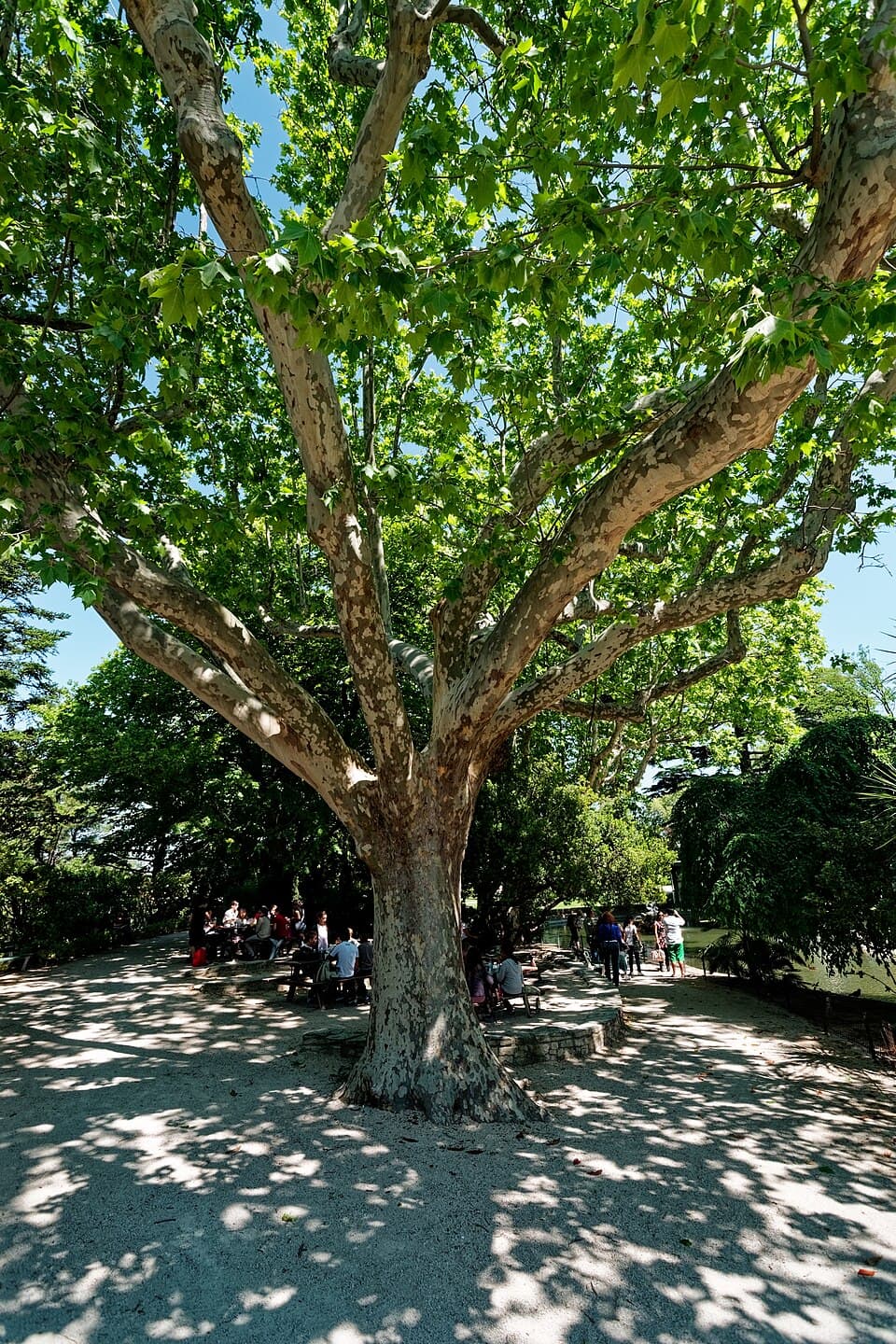
Plane tree
Platanus
An urban allergen, an ornamental city tree, flowers in April and May
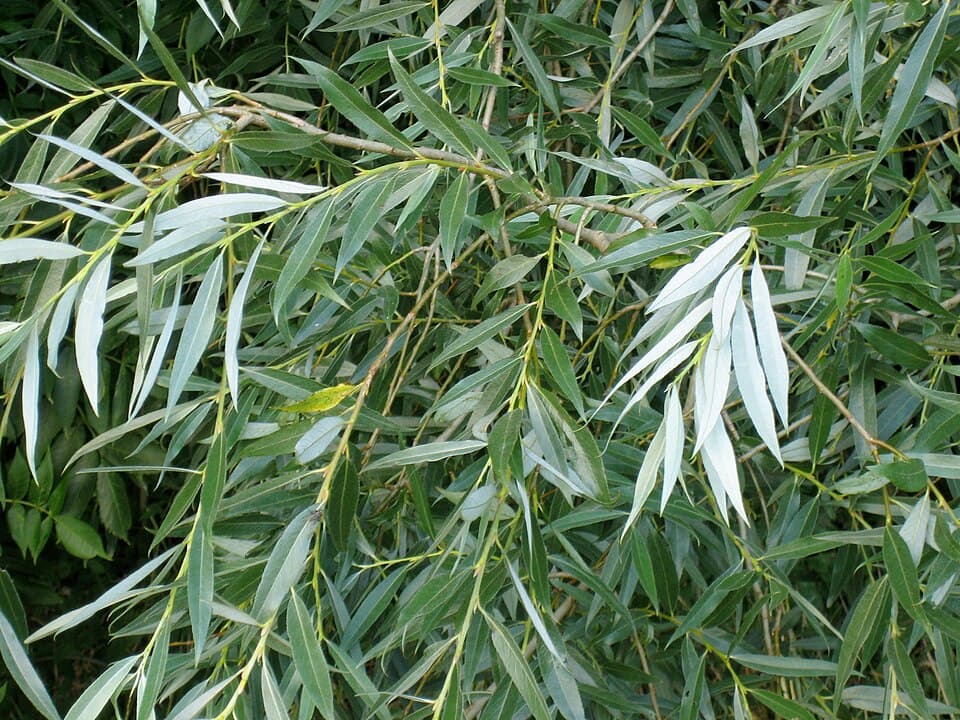
Willow
Salix
A spring allergen of moderate potency
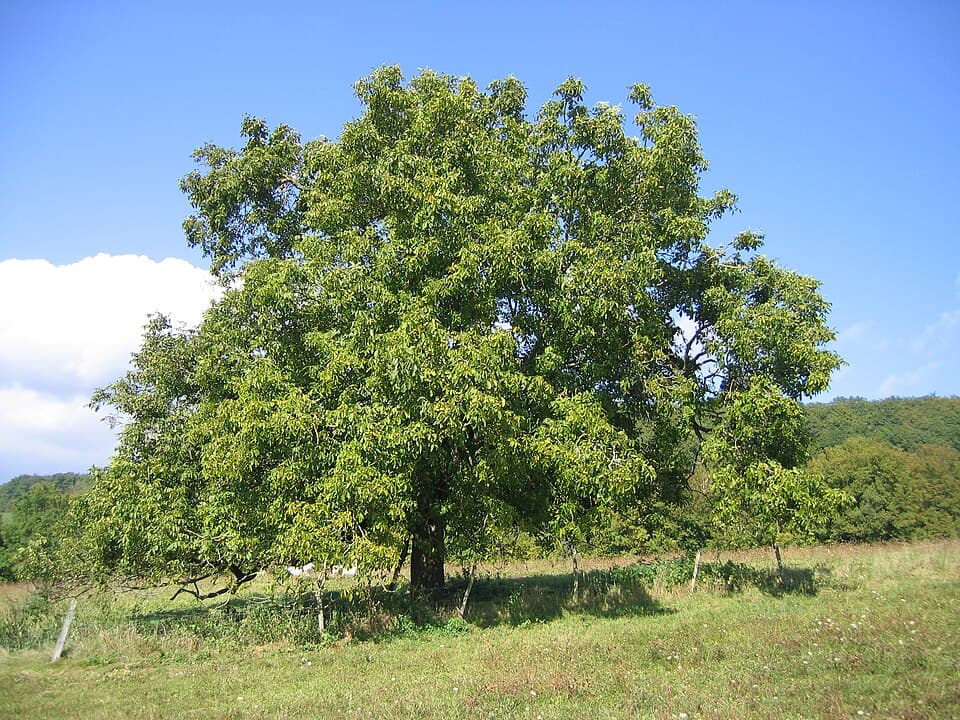
Walnut
Juglans
A spring allergen of low to moderate potency
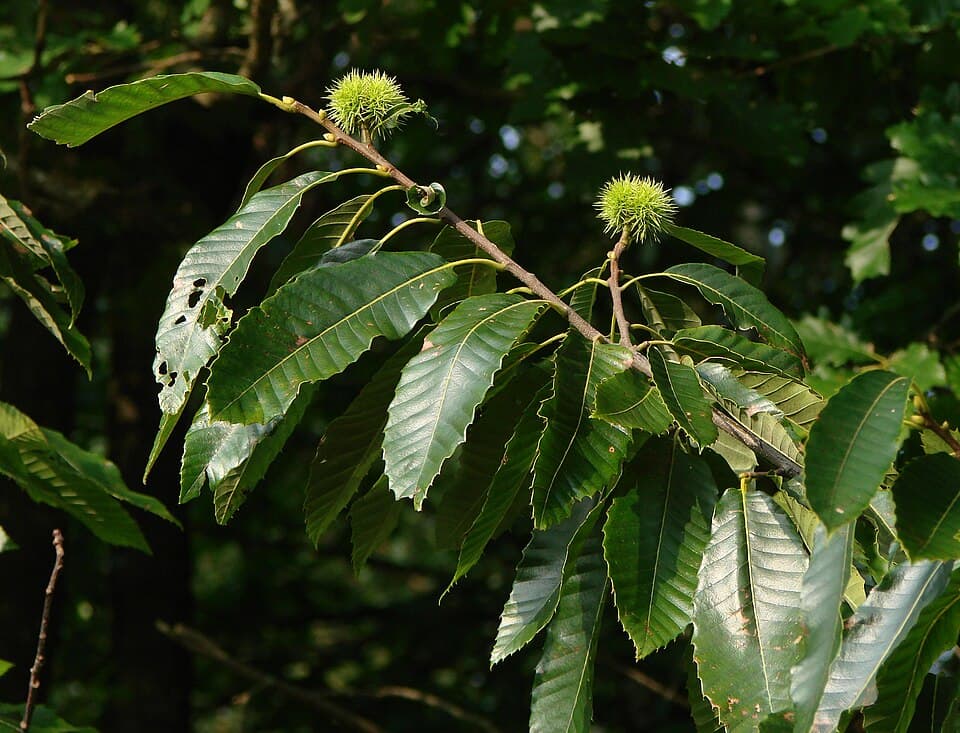
Sweet chestnut
Castanea
A late-spring allergen, flowers in May and June
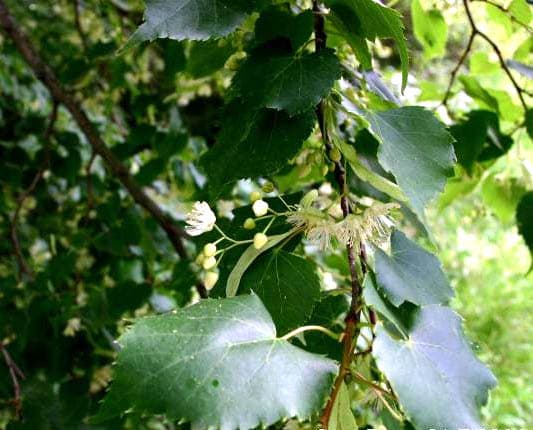
Linden
Tilia
Ljetni alergen niskog do umjerenog potencijala, cvjeta u lipnju i srpnju
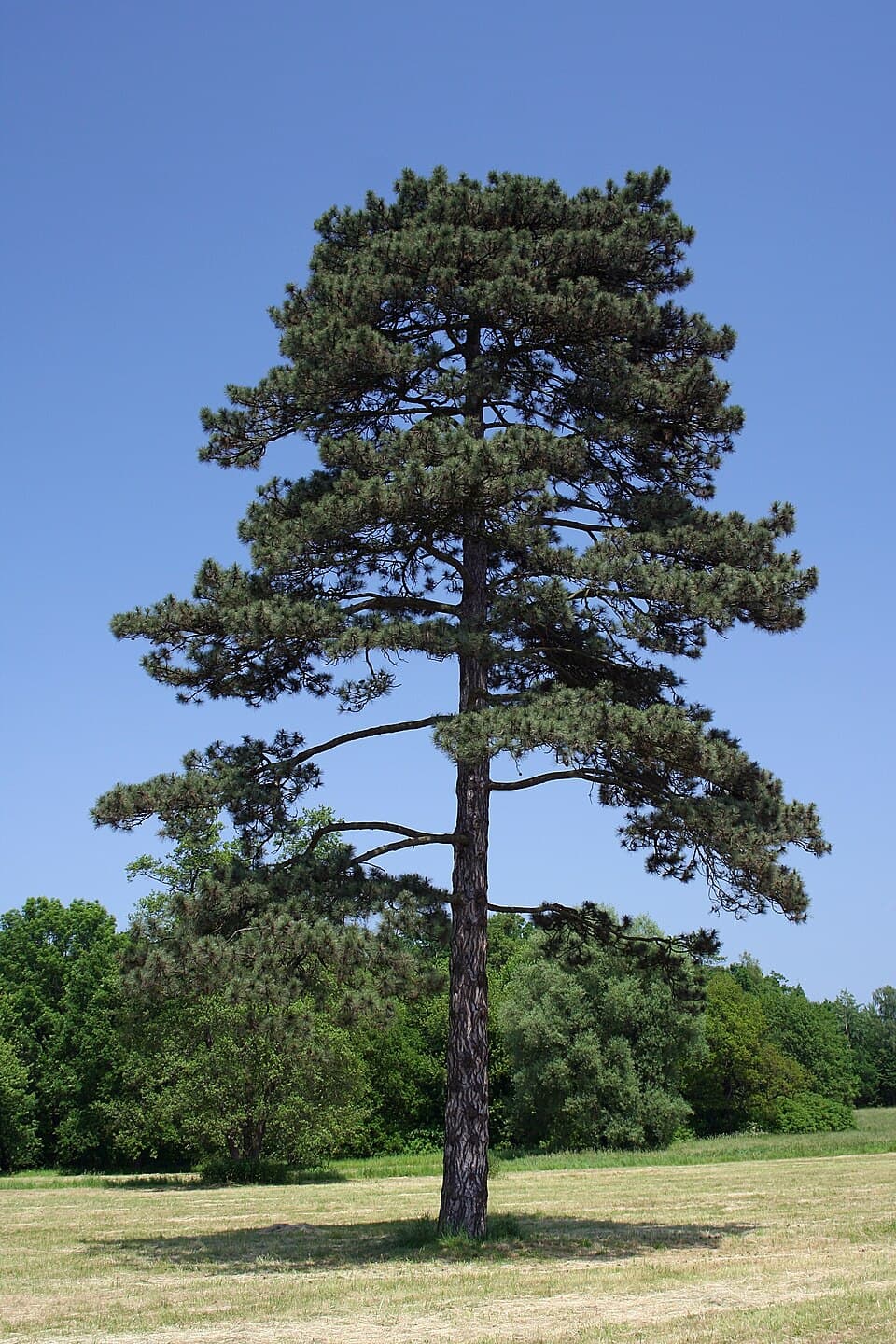
Pine
Pinus
Low allergenic potency, but produces large amounts of pollen
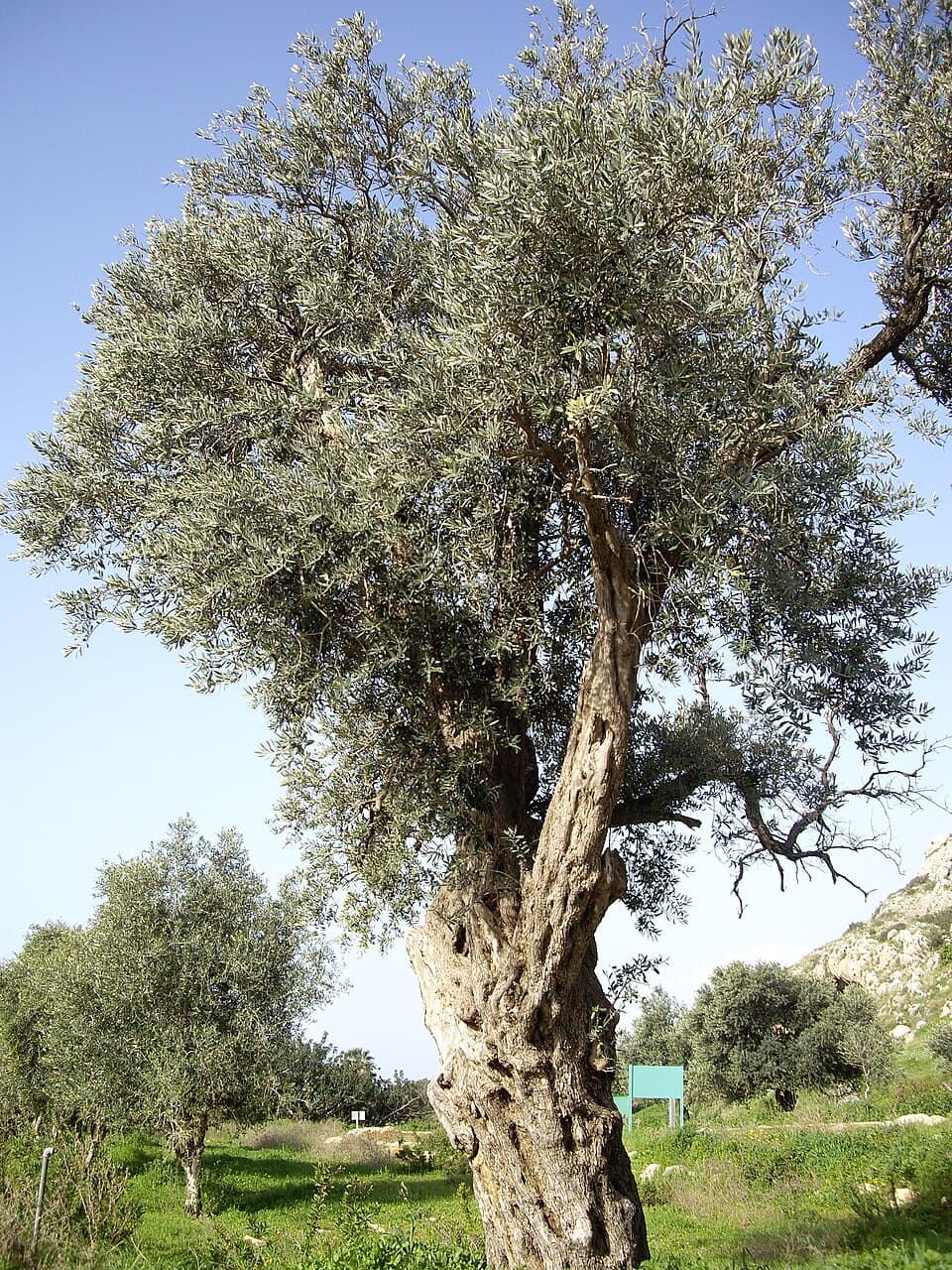
Olive
Olea europaea
A Mediterranean allergen, flowers from May to June
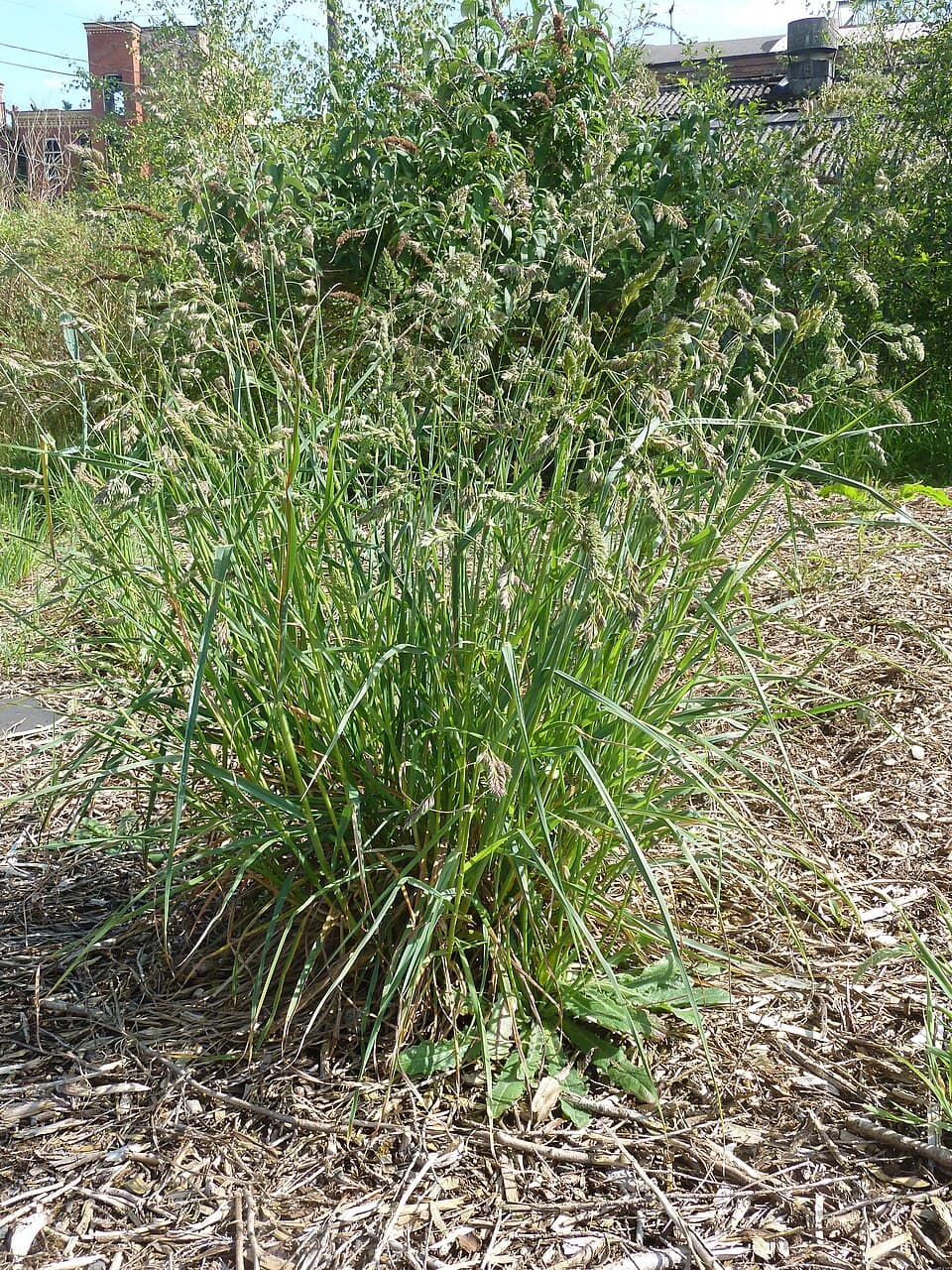
Grasses (1)
Grasses are the most common summer allergen, peaking from May to July.
Weeds (6)
Weeds (ragweed, mugwort, plantain, nettle) dominate the late-summer and autumn season.
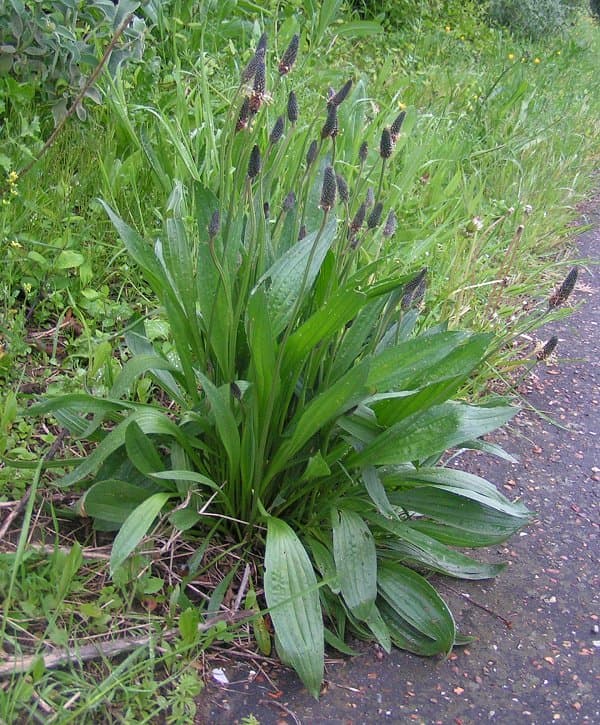
Plantain
Plantago
A summer allergen of low to moderate potency
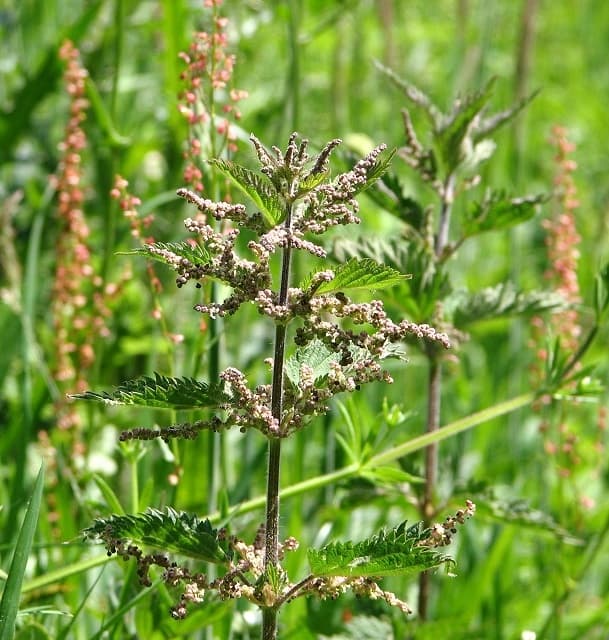
Nettle
Urticaceae
A summer allergen, flowers from May to September
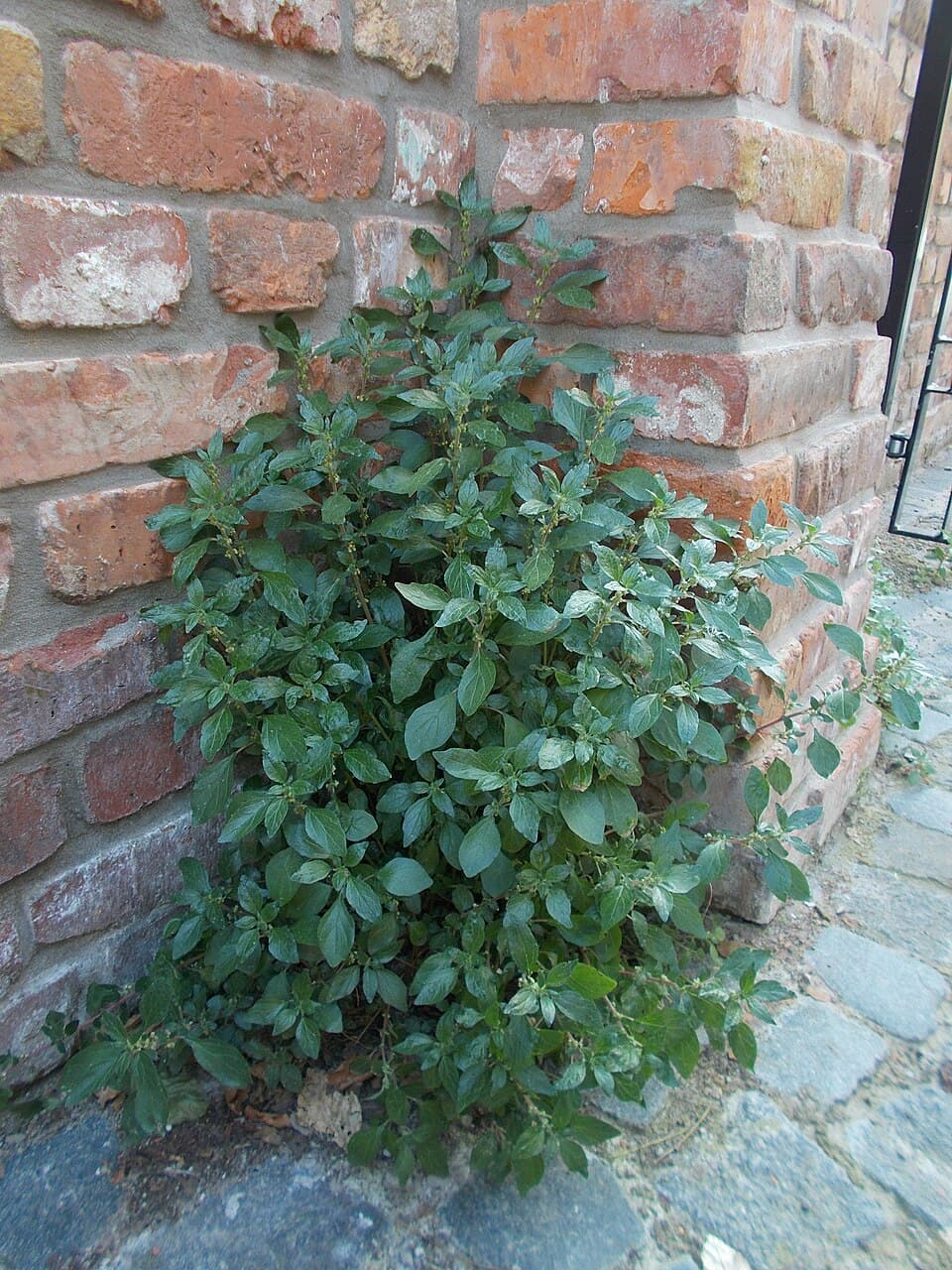
Pellitory
Parietaria
A Mediterranean wall allergen, flowers almost year-round along the coast
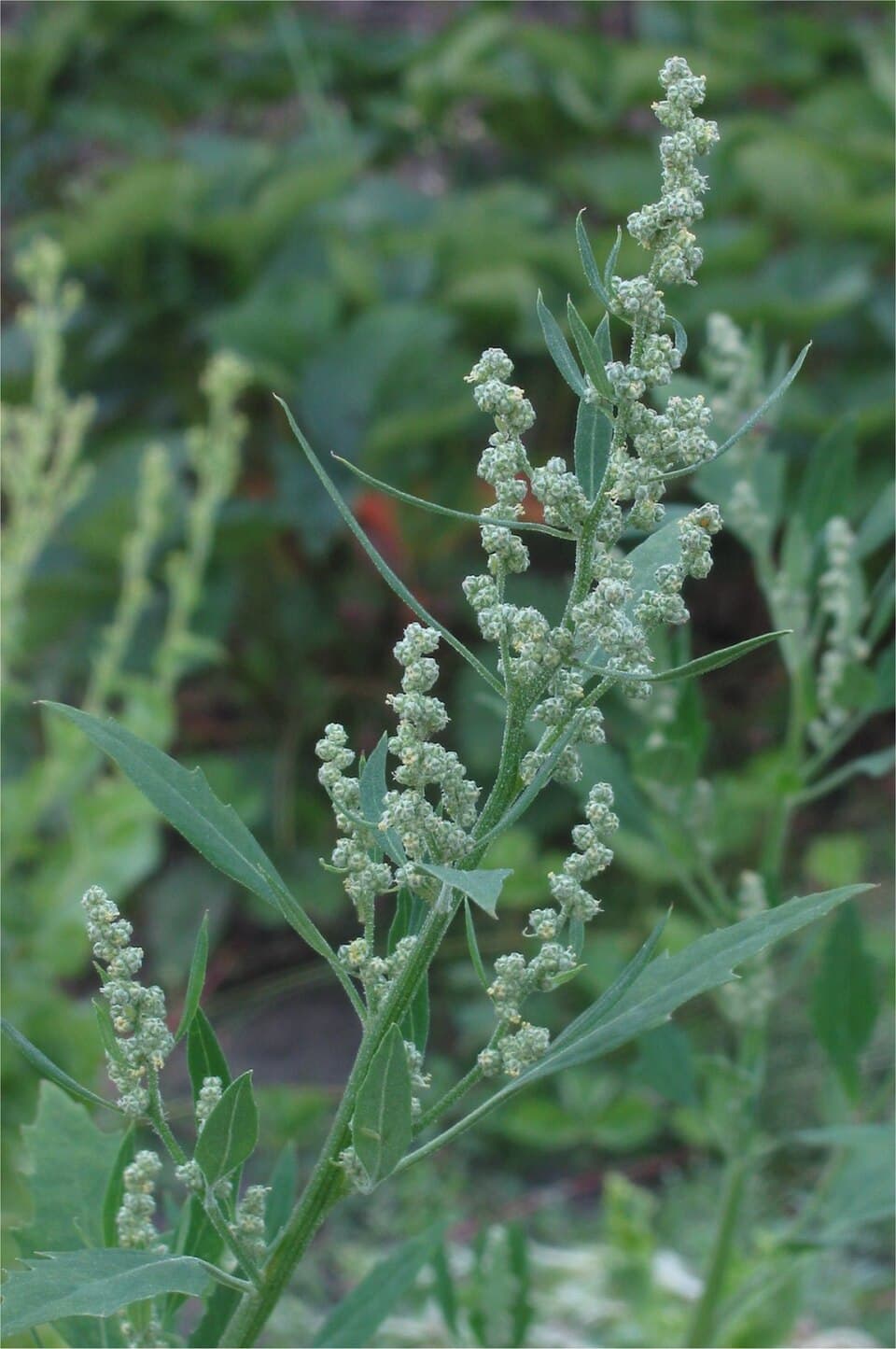
Goosefoot
Chenopodiaceae
Ljetno-jesenski korov, cvjeta od lipnja do listopada
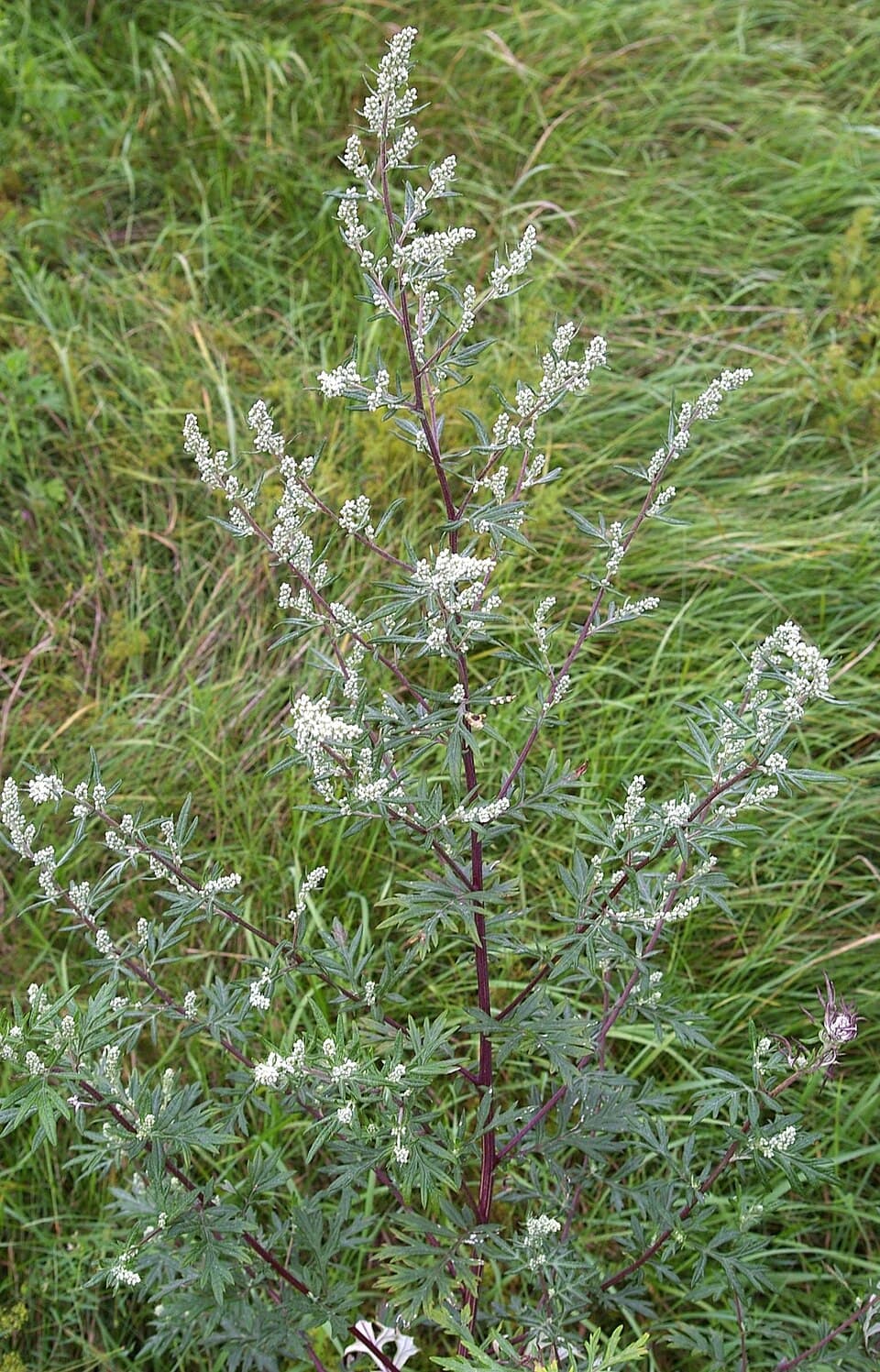
Mugwort
Artemisia
A late-summer allergen, flowers from July to September
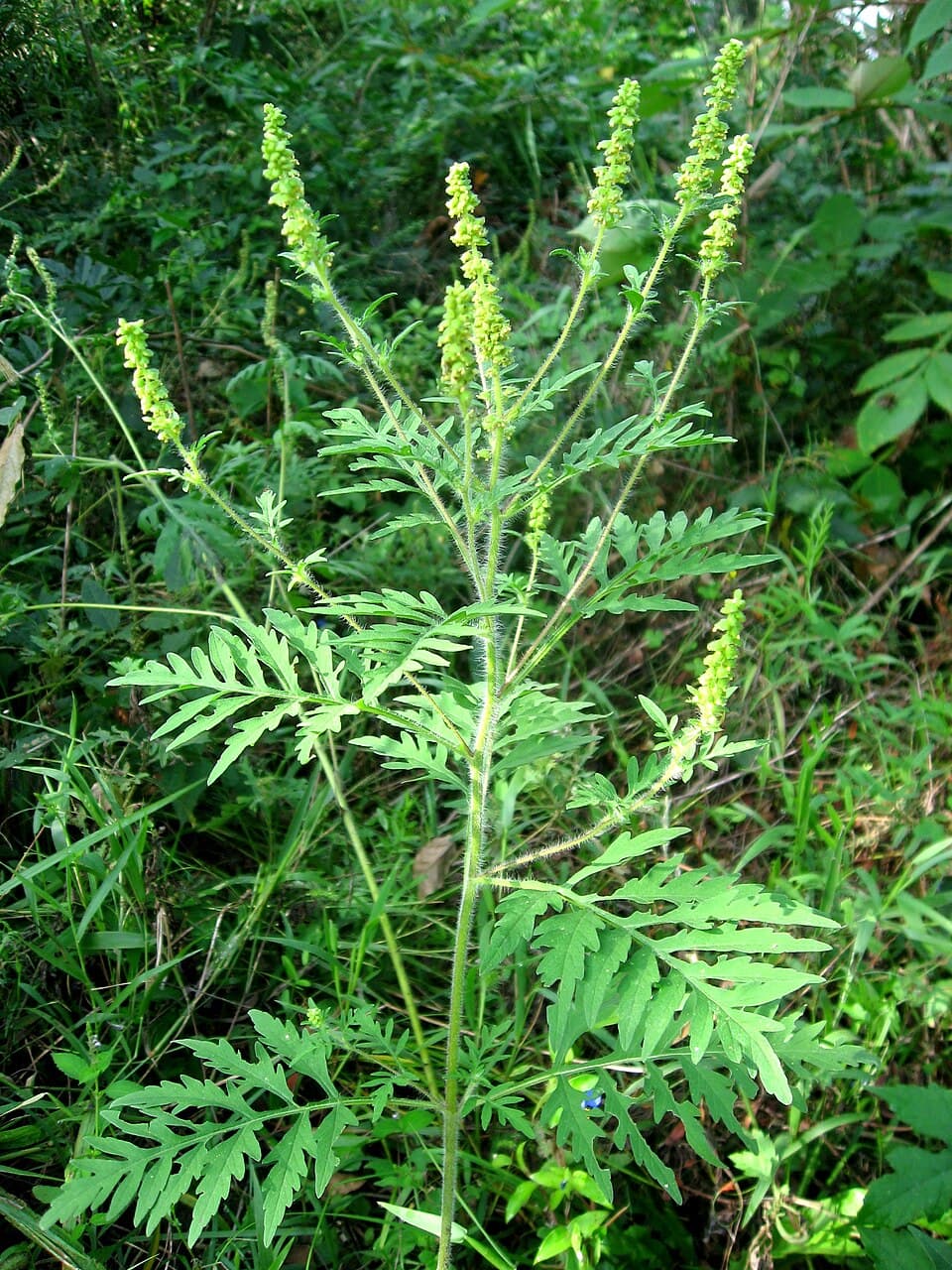
Ragweed
Ambrosia
The most aggressive allergen, flowers from August to October