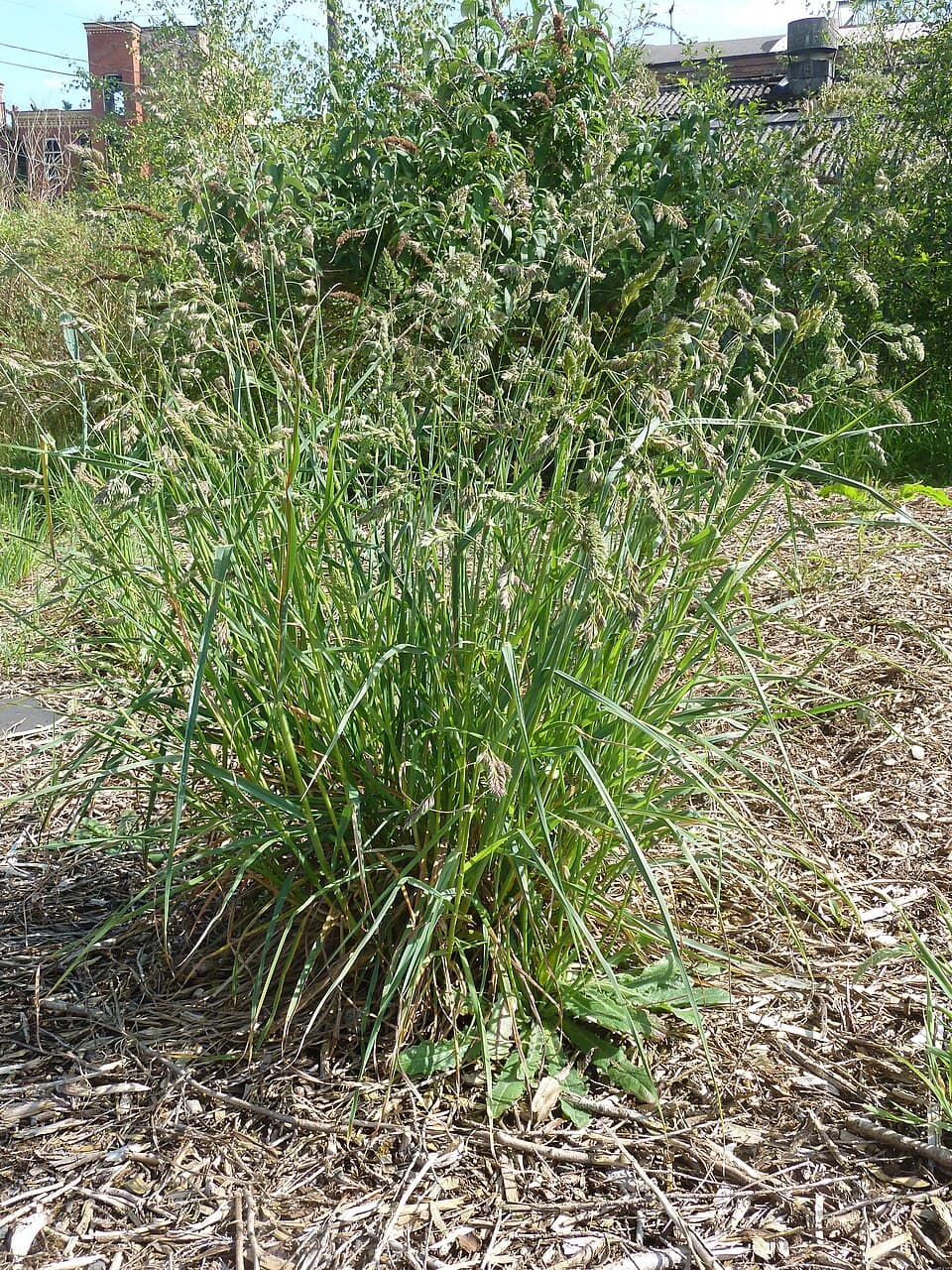
Grass allergy (Poaceae) is the most common pollen allergy in Croatia - it affects up to 50% of all pollen allergy sufferers. The grass season lasts from mid-May to July, peaking in June. Large areas of pasture, meadows, parks and sports fields mean grasses are unavoidable in everyday surroundings, especially in summer. Grass pollen is extremely fine and the wind carries it for kilometres.
Grass allergy symptoms
Classic symptoms of grass allergy: intense sneezing (often in fits), a runny nose, watery and itchy eyes, a blocked nose and a scratchy throat. In 30-40% of grass allergy sufferers, asthma develops or worsens during the season (June-July). Grass allergy sufferers often also react to situations such as mowing the lawn, walking through a meadow or sitting on the grass - direct contact with the plant intensifies symptoms.
Flowering season
The grass season in Croatia lasts from mid-May to the end of July, peaking in early June. In Dalmatia and Istria the season starts 2-3 weeks earlier (early May). In Lika and Gorski Kotar the season is late - the peak is in mid-July. A second (smaller) season is possible in September with some grass species (Poa annua, Lolium perenne).
View the full pollen calendar 2026Regions in Croatia
Grasses are widespread throughout Croatia, but concentration depends on the local vegetation. The highest concentrations are recorded in continental Croatia (Slavonia, the Posavina region, Lika), and lower ones in the urban areas of Dalmatia. The grassy fields of Lika, the Gacka valley and the pastures of Istria push grass pollen to extreme levels every year during June.
View the Grass pollen mapHow to protect yourself
During the grass season, avoid mowing the lawn (or wear an N95 mask if you must mow). Walking through a meadow in the morning (when pollen is most airborne) is the worst option. Air conditioners with HEPA filters in the home and car help considerably. Sublingual immunotherapy (SLIT) for grasses shows 60-70% effectiveness and is recommended for allergy sufferers with severe symptoms or worsened asthma. Start taking antihistamines preventively in late May.
When to see a doctor?
If symptoms of Grass allergy significantly affect your daily life, last longer than two seasons, or cause breathing difficulties, see an allergist. Allergy testing and immunotherapy can reduce sensitivity over the long term.
Cross-reactivity
Grass pollen can cross-react with tomato, potato, melon, watermelon, orange, peanut and soy (PR-10 and profilin proteins). There is a link with mugwort (Artemisia) - half of grass allergy sufferers also react to mugwort in late summer.
Foods that may cause cross-reactions
We'll email you when grass pollen takes off
Every morning we check pollen levels. If they cross the threshold you set for your region, a free alert lands in your inbox.
Turn on free alertsNo account needed: season updates and practical tips to your inbox.
Free, and it stays free. Unsubscribe anytime.